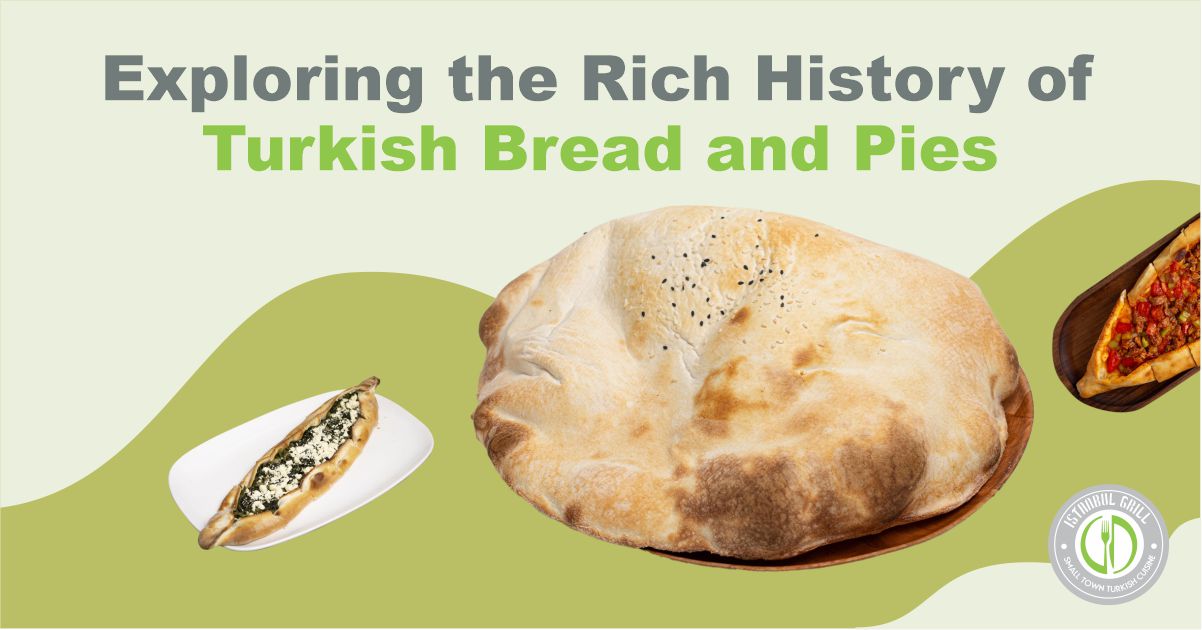
Bread holds a special place in almost every cuisine, and in Turkey, it is no different. From fluffy flatbreads to soft loaves, Turkish bread is an essential part of daily meals, shared in family gatherings, and enjoyed alongside rich stews, kebabs, or even just a drizzle of olive oil. If you’ve ever sat at a Turkish table, you’ll know that no dish feels complete without it.
This guide will take you step-by-step through the process of making authentic Turkish bread at home. Whether you’re a seasoned baker or just starting out, you’ll learn not only the recipe but also the techniques, cultural background, and tips for success.
By the end, you’ll be able to create a delicious loaf or flatbread that tastes just as good as what you’d find in a Turkish bakery.
The Cultural Significance of Turkish Bread
Bread in Turkey is not just food, it’s tradition, respect, and history. Turks often say that throwing away bread is considered disrespectful, as it symbolizes sustenance and blessings. The variety of Turkish bread is vast, from pide (oval-shaped bread) to bazlama (thick flatbread), simit (sesame-crusted rings), and lavash (thin flatbread).
Each region of Turkey has its own unique style, but what unites them is the importance of freshness. Turkish bread is baked daily, sometimes multiple times a day, ensuring that every meal is accompanied by warm, soft bread. Learning how to make Turkish bread at home gives you the opportunity to bring this cultural richness into your own kitchen.
Ingredients Needed for Turkish Bread
Making Turkish bread doesn’t require fancy equipment or hard-to-find ingredients. Most likely, you already have everything in your pantry.
-
Flour – All-purpose flour or bread flour works best for softness and chewiness.
-
Yeast – Instant yeast or active dry yeast helps the dough rise beautifully.
-
Warm water – Essential for activating yeast and forming the dough.
-
Salt – Enhances flavor.
-
Sugar – Just a little helps activate the yeast and adds slight sweetness.
-
Olive oil – Adds softness and richness to the bread.
Optional:
sesame seeds or nigella seeds for topping, which are very common in Turkish bread varieties.
Step-by-Step Guide to Making Turkish Bread
Preparing the Dough
-
In a bowl, mix warm water, sugar, and yeast. Let it sit for about 10 minutes until it becomes frothy.
-
Add flour and salt gradually, mixing with your hands or a wooden spoon until the dough starts forming.
-
Drizzle olive oil and knead the dough for about 8–10 minutes until smooth and elastic.
First Rise
Place the dough in a lightly oiled bowl, cover it with a damp cloth, and let it rise for 1–1.5 hours, or until it doubles in size. This is crucial for creating that light and airy texture Turkish bread is known for.
Shaping the Bread
Punch down the dough gently to release air. Divide it into portions depending on whether you’re making flatbreads or loaves. Shape into rounds or ovals, keeping them slightly thick.
Second Rise
Let the shaped dough rest for another 20–30 minutes. This helps it develop structure and makes the bread fluffier once baked.
Adding Toppings
Brush the tops with a mixture of egg yolk and milk (traditional for pide), then sprinkle sesame or nigella seeds.
Baking
Preheat the oven to 220°C (430°F). Place the bread on a baking tray lined with parchment paper. Bake for 12–18 minutes, depending on the thickness, until golden brown.
Variations of Turkish Bread
Turkish bread comes in many forms, and here are the most popular ones you can try at home:
-
Pide:
Soft, oval-shaped bread with a chewy crust, often served during Ramadan.
-
Simit:
Crunchy ring-shaped bread covered in sesame seeds, a favorite street food.
-
Lavash:
Thin, soft flatbread, perfect for wrapping kebabs.
-
Bazlama:
Thick, fluffy flatbread often eaten with butter and honey.
-
Ekmek:
Classic Turkish loaf bread, light and airy.
Each variation uses the same basic ingredients, with only minor adjustments in shaping, thickness, or toppings.
Tips for Perfect Turkish Bread
-
Use warm water, not hot. Too hot can kill the yeast, preventing the dough from rising.
-
Don’t rush the rise. Allowing enough time ensures fluffy texture.
-
Knead properly. At least 8 minutes of kneading builds gluten for better structure.
-
Bake at high temperature. Turkish bread needs a hot oven for a perfect crust.
-
Store properly. Wrap in a cloth or airtight bag to keep it soft.
Serving Suggestions
Turkish bread is incredibly versatile. You can serve it with:
-
Grilled meats like kebabs and lamb skewers.
-
Stews and lentil soups.
-
A spread of cheeses, olives, and tomatoes for a classic Turkish breakfast.
-
Honey, butter, or jams for a sweet touch.
Conclusion
Learning how to make Turkish bread at home is more than just baking, it’s an experience of connecting with Turkish culture, tradition, and flavors. From simple flatbreads to sesame-topped loaves, each type carries its own unique charm and versatility. With just a few ingredients, patience, and the right technique, you can enjoy warm, fluffy bread fresh from your oven.
Once you’ve mastered the basics, don’t be afraid to experiment with different toppings, shapes, or even fillings. Turkish bread isn’t just for special occasions, it can easily become a daily ritual in your home, just as it is in Turkey.
Making bread is one of the most satisfying skills you can learn. Not only will your kitchen be filled with the comforting aroma of freshly baked bread, but you’ll also discover the joy of sharing it with family and friends. Whether you serve it with savory dishes or simply with butter and honey, Turkish bread will always bring warmth to the table.
FAQs
Can I make Turkish bread without yeast?
Yes, it is possible to make Turkish bread without yeast, but the results will be slightly different. Traditional Turkish bread, such as pide or loaf-style ekmek, relies heavily on yeast to create that airy, fluffy structure that makes it so unique.
Yeast not only helps the dough rise but also gives the bread its subtle tangy flavor, something that baking powder or baking soda cannot fully replicate.
If you are short on time or want to avoid yeast for dietary reasons, you can use baking powder as a leavening agent. This method works best for flatbreads like bazlama or lavash, which don’t require the same rise as yeast-based breads.
While the bread will be soft and delicious, it won’t have the same texture or complexity as authentic yeast-leavened Turkish bread. For best results, try making both versions and see which suits your taste and cooking style.
How do I store Turkish bread to keep it fresh?
Freshly baked Turkish bread is best eaten the same day it is made, as it tastes its absolute best when warm and soft. However, if you have leftovers, you can keep them fresh by wrapping the bread in a clean kitchen towel to retain moisture and then placing it inside an airtight bag or container.
This prevents it from drying out too quickly. At room temperature, Turkish bread usually stays soft for one to two days.
For longer storage, freezing is the best option. Cut the bread into portions before freezing so you can reheat only what you need. When you’re ready to eat, simply thaw the bread at room temperature and warm it in the oven for a few minutes to restore its softness.
Avoid storing Turkish bread in the refrigerator, as this tends to make bread stale more quickly due to the cool environment speeding up the staling process.
Can I make Turkish bread with whole wheat flour?
Yes, you can use whole wheat flour to make Turkish bread, and it is a great way to make it healthier by adding more fiber and nutrients.
However, it’s important to understand that whole wheat flour is heavier and denser than white flour, which can affect the texture of your bread. If you replace all the white flour with whole wheat, the bread may turn out denser and less fluffy than traditional Turkish bread.
A good solution is to use a mix of whole wheat flour and all-purpose flour. For example, using half whole wheat and half white flour helps balance nutrition with softness, giving you bread that still feels light but has more wholesome flavor.
You may also need to add a little extra water since whole wheat absorbs more liquid. The result is a healthier Turkish bread that maintains the traditional taste and texture while giving you the benefit of added nutrients.
Why didn’t my Turkish bread rise properly?
When Turkish bread doesn’t rise, the most common issue is with the yeast. If the yeast is old or inactive, the dough will not ferment properly, resulting in flat and dense bread.
Always check that your yeast foams when mixed with warm water and sugar before adding it to the flour. Water temperature is also crucial; if it’s too hot, it kills the yeast, while if it’s too cold, the yeast won’t activate effectively.
Another reason could be the environment in which the dough is proofing. Yeast needs warmth to work well, so if your kitchen is too cold, the rising process will slow down or even stop. Covering the dough with a damp towel and placing it in a slightly warm spot, like near a stove or inside an oven with the light on, often helps.
Finally, rushing the rising process can also affect the outcome. Turkish bread needs enough time to rise fully, and skipping or shortening this step can leave you with heavy bread instead of the desired light and fluffy loaf.
Can I cook Turkish bread on a stovetop instead of in an oven?
Yes, you can cook Turkish bread on a stovetop, especially flatbreads like bazlama and lavash, which are traditionally prepared this way in many Turkish households.
Using a skillet, griddle, or flat pan, you can cook the dough rounds over medium-high heat until bubbles form, then flip and cook the other side. This method is convenient, quick, and gives the bread a slightly different texture, soft with a lightly charred surface.
Stovetop cooking is also great if you don’t want to heat up your oven or if you’re making bread in small quantities. While you won’t get the same crispy crust that comes from oven baking, stovetop Turkish bread has its own charm, being warm, pillowy, and perfect for wrapping or dipping.
Many people even prefer this version because of its softness and versatility. Whether you bake or cook on the stovetop, both methods give you delicious bread to enjoy with any meal.