Today, we are sharing two Turkish salad recipes that will change how you think about salad. The first is Coban Salatasi, a traditional chopped salad bursting with fresh vegetables. The second is Turkish pasta salad, a creamy dish perfect for potlucks and meal prep.
Both recipes are simple enough for beginners but tasty enough to impress your pickiest eaters.
What Makes Turkish Salad Special?
Turkish salads are different from regular salads in three important ways.
First, everything gets chopped into small, uniform pieces. This means every bite has a perfect mix of flavors. You will not get a huge chunk of tomato in one bite and only lettuce in the next.
Second, Turkish cooks use minimal dressing. The natural juices from fresh vegetables create most of the flavor. This keeps the salad light and lets each ingredient shine.
Third, these salads work as both a side dish and a main meal. Add some grilled chicken or cheese, and you have a complete dinner.
Traditional Turkish Chopped Salad (Coban Salatasi)
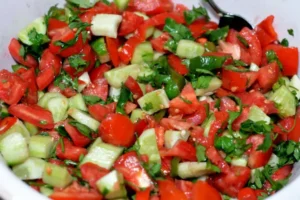
What You Need
- 4 medium tomatoes
- 2 large cucumbers
- 1 green bell pepper
- 1 red onion (you can use less if you do not like strong onion flavor)
- 3 tablespoons olive oil
- 2 tablespoons lemon juice (fresh tastes best)
- 1 teaspoon salt
- Half teaspoon black pepper
- Fresh parsley (about half a cup, chopped)
- Optional: crumbled feta cheese
How to Make It
Step 1: Wash all your vegetables well under cold running water. Pat them dry with a clean towel.
Step 2: Cut the tomatoes in half. Use a spoon to squeeze out the seeds and extra juice into the sink. Now chop the tomatoes into small cubes, about half an inch on each side.
Step 3: Peel the cucumbers completely. Chop them into cubes the same size as your tomato pieces.
Step 4: Cut the bell pepper in half and remove the stem, seeds, and white parts inside. Dice the pepper into small pieces matching your other vegetables.
Step 5: Peel the red onion and chop it very fine into tiny pieces. If you find raw onion too strong, put the chopped onion in a small bowl of cold water and let it sit for 10 minutes. Then drain the water completely.
Step 6: Put all the chopped vegetables into a large mixing bowl.
Step 7: Pour the olive oil and lemon juice over the vegetables.
Step 8: Sprinkle the salt and black pepper on top.
Step 9: Mix everything together using your hands or a large spoon. Make sure the dressing coats every piece of vegetable.
Step 10: Let the salad sit on your counter for 5 minutes. Do not skip this step because it lets the flavors blend together.
Step 11: Add the fresh chopped parsley right before serving. If you want, sprinkle crumbled feta cheese on top.
Step 12: Serve immediately and enjoy.
Pro Tips for the Best Traditional Salad
Use tomatoes that feel firm when you squeeze them gently. Soft tomatoes will make your salad mushy.
Always make this salad fresh. It does not store well because the vegetables release water and become soggy after a few hours.
Adjust the lemon juice based on your taste. Some people love extra tang, while others prefer just a hint.
If you are serving this at a party, prepare all the vegetables ahead of time but wait to mix them with the dressing until right before guests arrive.
Turkish Pasta Salad (Makarna Salatasi)
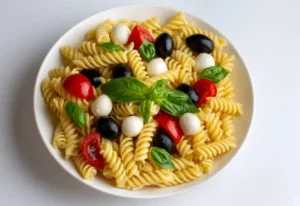
While traditional Turkish salad celebrates raw vegetables, pasta salad takes a creamier approach. This dish shows up at every Turkish picnic, birthday party, and family gathering. Americans love it because it reminds them of classic pasta salad but with Mediterranean flair.
At Istanbul Grill Restaurant, we serve this as a side with our kebabs, and customers constantly ask us to sell it by the container.
What You Need
- 1 pound small pasta (shells, elbows, or anelli work great)
- 1 cup plain yogurt (not Greek yogurt, which is too thick)
- Half cup mayonnaise
- 2 medium potatoes
- 1 cup canned sweet corn (drained)
- 1 cup canned carrots (diced and drained)
- 1 cup frozen peas (thawed)
- 3 pickles (chopped small)
- 1 red bell pepper (roasted and chopped)
- 2 garlic cloves (crushed)
- 2 tablespoons vegetable oil
- Fresh dill (about half a cup, chopped)
- Salt and pepper to taste
How to Make It
Step 1: Fill a medium pot with water and add the potatoes with their skins on. Put the pot on the stove over high heat and bring the water to a boil.
Step 2: Once the water boils, turn the heat down to medium. Let the potatoes cook for about 20 minutes until you can easily poke them with a fork.
Step 3: While the potatoes cook, fill a large pot with water and bring it to a boil for your pasta.
Step 4: Add a pinch of salt to the boiling water, then add your pasta. Cook it according to the package directions, usually 8 to 10 minutes.
Step 5: When the pasta is done, pour it into a colander in your sink. Now rinse the pasta under cold running water for about 30 seconds. This stops the cooking and washes away sticky starch. Shake the colander to remove all the water.
Step 6: When the potatoes are done cooking, drain them and let them cool for 10 minutes. Once cool enough to handle, peel off the skins and chop the potatoes into small cubes.
Step 7: Get out your largest mixing bowl. Add the plain yogurt and mayonnaise to the bowl.
Step 8: Use a whisk or spoon to mix the yogurt and mayonnaise together until the mixture is smooth and creamy with no lumps.
Step 9: Crush the garlic cloves using a garlic press or chop them very fine. Add the crushed garlic and vegetable oil to the yogurt mixture. Stir well.
Step 10: Add the cooled pasta to the bowl with the creamy mixture.
Step 11: Add the diced potatoes to the bowl.
Step 12: Open and drain your canned corn and carrots. Add them to the bowl.
Step 13: Add the thawed peas to the bowl.
Step 14: Chop your pickles into small pieces and add them.
Step 15: Add the chopped roasted bell pepper. (You can buy jarred roasted peppers to save time, just drain them well first.)
Step 16: Use a large spoon or spatula to gently fold everything together. Be gentle so you do not smash the potatoes or pasta.
Step 17: Sprinkle in 1 teaspoon of salt and half teaspoon of black pepper. Mix again.
Step 18: Taste the salad. If it needs more salt or pepper, add a little more.
Step 19: Chop the fresh dill and fold it into the salad.
Step 20: Cover the bowl with plastic wrap or a lid.
Step 21: Put the bowl in your refrigerator for at least 2 hours. This step is important because the salad tastes much better cold.
Step 22: Before serving, give the salad a quick stir and check if it needs more seasoning. Sometimes cold food needs extra salt.
Step 23: Serve cold and enjoy.
Pro Tips for Perfect Pasta Salad
If your yogurt seems too thick, add a tablespoon of milk to thin it out before mixing with the other ingredients.
You can roast the bell pepper yourself by placing it directly over a gas flame or under the broiler. Turn it until the skin blackens all over, then put it in a bowl covered with plastic wrap for 10 minutes. The skin will peel off easily.
No time to roast peppers? Use jarred roasted red peppers from the grocery store. Just drain them well and chop.
This salad gets better the next day, so feel free to make it 24 hours ahead of your event.
If the salad seems dry after refrigeration, stir in a spoonful of yogurt to refresh it.
When to Serve Each Type of Salad
Both salads work for different occasions, so knowing when to serve which one helps you plan better meals.
Serve Traditional Chopped Salad when:
- You are grilling meat, chicken, or fish
- The weather is very hot and you want something light
- You need a quick side dish in under 10 minutes
- You are serving Mediterranean or Middle Eastern food
- You want a healthy, low-calorie option
Serve Turkish Pasta Salad when:
- You are bringing food to a potluck or picnic
- You need to feed a crowd on a budget
- You want leftovers that taste good the next day
- The weather is cool and you want something more filling
- You are meal prepping for the week ahead
Comparing the Two Salads
Understanding the differences helps you choose the right salad for your needs.
Preparation Time: Traditional chopped salad takes about 15 minutes from start to finish. Pasta salad needs about 30 minutes of active work, plus 2 hours of chilling time.
Storage: Traditional salad must be eaten within a few hours or it gets watery. Pasta salad stays fresh in your refrigerator for up to 3 days in a sealed container.
Serving Size: Traditional salad recipe serves 4 to 6 people as a side dish. Pasta salad recipe serves 8 to 10 people, making it better for larger gatherings.
Calories: Traditional salad has about 80 calories per serving. Pasta salad has about 250 calories per serving because of the mayo and pasta.
Best Season: Traditional salad tastes best in summer when tomatoes and cucumbers are fresh and sweet. Pasta salad works year-round because it uses mostly pantry ingredients.
Common Mistakes to Avoid
Over the years at Istanbul Grill Restaurant, we have seen people make the same mistakes with these salads. Here is how to avoid them.
Mistake 1: Cutting vegetables too large When pieces are too big, the salad does not taste balanced. Each bite should have a little bit of everything. Take your time to chop everything into small, even pieces.
Mistake 2: Not draining pasta well enough Extra water on your pasta will make the dressing watery and bland. Always rinse pasta under cold water and shake the colander several times to remove all moisture.
Mistake 3: Using Greek yogurt in pasta salad Greek yogurt is too thick and tangy for this recipe. Regular plain yogurt gives you the right creamy texture without overpowering other flavors.
Mistake 4: Making traditional salad too far ahead The vegetables release juice as they sit, making the salad soupy. Only dress the salad within 30 minutes of serving.
Mistake 5: Serving pasta salad straight from the fridge The flavors taste muted when the salad is ice cold. Take it out of the refrigerator 10 minutes before serving to let it come to a cooler temperature.
How to Customize Your Salads
Both recipes work as a base that you can change based on what you have in your kitchen or what your family likes.
For Traditional Chopped Salad, try adding:
- Chopped radishes for extra crunch
- A handful of fresh mint leaves with the parsley
- Half an avocado, diced
- Grilled chicken strips to make it a main dish
- Chickpeas for plant-based protein
- A squeeze of pomegranate molasses instead of lemon juice
For Pasta Salad, try adding:
- Half cup of diced ham or turkey
- Hard boiled eggs, chopped
- Different herbs like parsley or cilantro instead of dill
- A tablespoon of mustard mixed into the dressing
- Diced apples for a sweet crunch
- Shredded cheese like cheddar or mozzarella
Serving Suggestions
At Istanbul Grill Restaurant, we have learned what dishes pair best with these salads.
Traditional Chopped Salad goes perfectly with:
- Grilled lamb or beef kebabs
- Roasted chicken thighs
- Pan-fried fish fillets
- Warm pita bread and hummus
- Rice pilaf
- Any grilled vegetables
Turkish Pasta Salad pairs well with:
- Hamburgers and hot dogs at cookouts
- Fried chicken
- Sandwiches and wraps
- Grilled sausages
- BBQ ribs
- Pizza (yes, really!)
Storage and Make-Ahead Tips
Planning ahead makes hosting easier and less stressful.
For Traditional Chopped Salad: You can chop all the vegetables up to 4 hours ahead. Keep each vegetable in a separate container in your refrigerator. Mix them with the dressing right before serving.
Store any leftover dressing separately from the vegetables. This way you can make a fresh salad the next day.
For Turkish Pasta Salad: This salad actually tastes better the day after you make it. The flavors have more time to blend together in the refrigerator.
Store the salad in an airtight container for up to 3 days. Give it a good stir before serving because the dressing settles to the bottom.
If you want to freeze pasta salad, we do not recommend it. The yogurt and vegetables do not thaw well and the texture becomes unpleasant.
Nutrition Information
Understanding what you are eating helps you make good choices for your family.
Traditional Chopped Salad (per serving):
- Calories: 80
- Fat: 5 grams (mostly from healthy olive oil)
- Carbohydrates: 8 grams
- Protein: 2 grams
- Fiber: 2 grams
- This salad is very low in calories and high in vitamins from fresh vegetables
Turkish Pasta Salad (per serving):
- Calories: 250
- Fat: 8 grams
- Carbohydrates: 35 grams
- Protein: 8 grams
- Fiber: 3 grams
- This salad gives you more energy from the pasta and protein from the yogurt
Both salads give you important vitamins and minerals. The chopped salad provides lots of vitamin C from the tomatoes and peppers. The pasta salad offers B vitamins from the vegetables and dairy.
Why These Salads Work in America
At Istanbul Grill Restaurant, we have served thousands of Americans who love these Turkish recipes. Here is why they work so well for American families.
The ingredients are easy to find at any regular grocery store. You do not need to visit specialty markets or order unusual items online.
The flavors are familiar but exciting. Americans know pasta salad and chopped salad, but the Turkish twist makes them interesting without being strange.
Kids actually eat these salads. The pasta salad especially appeals to children because it is creamy and colorful. We have watched picky eaters ask for seconds at our restaurant.
They fit into American meal patterns. You can serve them at cookouts, potlucks, holiday dinners, and casual weeknight meals.
Final Thoughts from Istanbul Grill Restaurant
We have shared these recipes with our American customers for years, and they keep coming back for more. The beauty of Turkish salads is their simplicity. You do not need fancy techniques or expensive ingredients to make food that tastes amazing.
Traditional chopped salad celebrates the pure flavors of fresh vegetables. Every bite is crisp, juicy, and refreshing. It reminds us that sometimes the simplest food is the best food.
Turkish pasta salad brings people together. We have seen it at birthday parties, graduation cookouts, and family reunions. It is the kind of dish that makes everyone happy, from grandparents to little kids.
Start with these basic recipes, then make them your own. Maybe you will add your favorite vegetable to the chopped salad. Maybe you will stir extra garlic into the pasta salad. That is exactly what Turkish home cooks do. They take a traditional base and adjust it to their family’s taste.
Both salads represent what we love about Turkish food. It is honest, flavorful, and made to share with people you care about. When you make these salads, you are not just following a recipe. You are bringing a piece of Turkish food culture into your American kitchen.
We hope these recipes become favorites in your home, just like they are in ours. Enjoy every fresh, delicious bite.
FAQs
[rank_math_rich_snippet id=”s-d5454b2a-fd57-44c3-858b-c75678eedb39″]