What They All Have in Common
Make a tour of the streets of Istanbul, or Athens, or Damascus, and you see the same thing: meat turning slowly on an upright spit, being carved off in thin slices as it cooks. Turkish kebab, Greek gyros, and Arabic shawarma all have the same general cooking process, which has all evolved to suit each region it is served quite differently.
The three dishes share the common ingredient of marinated meat that is piled high on a tall rotating spit and cooked slowly. The outer layer becomes crispy and flavourful, and then is cut away with the next layer remaining juicy. It is a no-brainer and a genius way to cook meat that keeps it juicy and flavorful.
Must Read:
What Makes Turkish Kebab Different: A Complete Guide
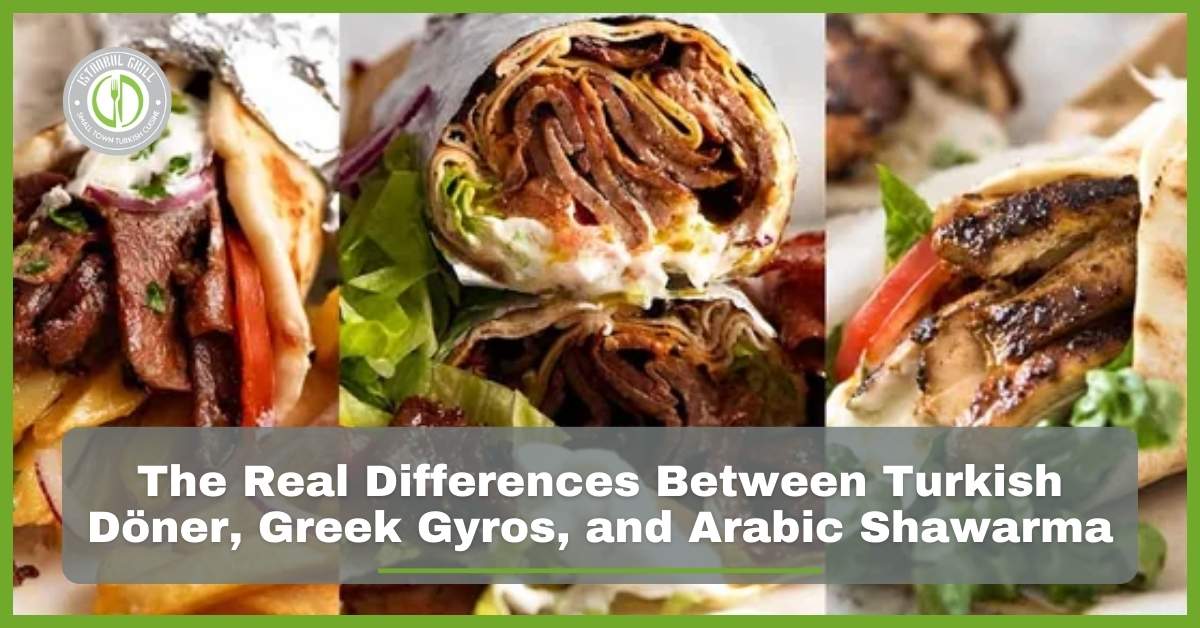
The Original Turkish Doner:
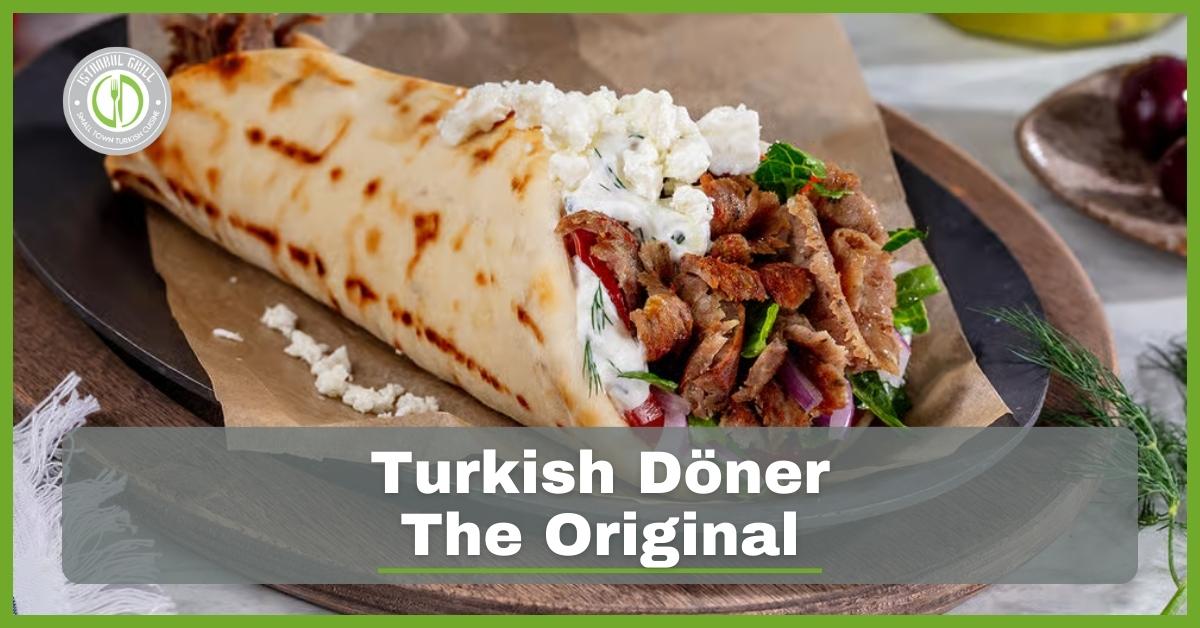
Diner Turkish kebab began in the Ottoman Empire in Turkey. The name of the dish, dner, has the meaning of rotating in Turkish kebab, which should be understood after watching the meat turning on the spit. A chef known as Iskender Efendi of Bursa is often credited with refining this method of vertical cooking in the late 1800s.
Turkish Döner is normally done with lamb or beef. The meat is then marinated in olive oil, onions, and spices such as cumin, paprika, and black pepper. The spices are very dramatic and earthy, making the meat very rich and deep-flavored, which developed into the trademark of Turkish cookery.
What is special about the Turkish kebab?
- Meat preference: Lamb and beef more often than not
- Spices: pungent, earthy aromas, cumin, paprika
- The way it is served: Usually served with rice pilaf, grilled vegetables, and pickled vegetables
- Bread: This is normally served in thin lavash or pide bread
Each geographical region in Turkey has its own version. In Gaziantep, they add pistachios. In Adana, they add more red peppers to make it spicy; in Urfa, they use less so that it is smokier.
Greek Gyros: The Mediterranean Version
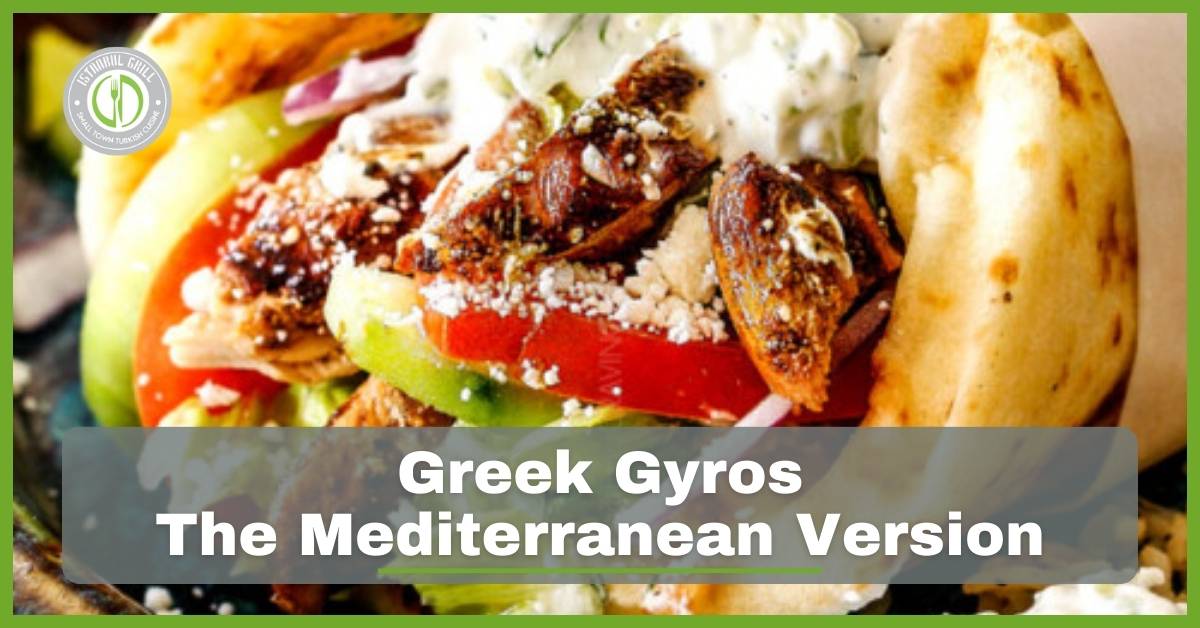
The gyros were introduced in Greece when individuals who lived in Turkey migrated there in the early 20th century and introduced their cookery techniques. The essential concept was picked up by the Greeks. In Greece, the name is used to denote or signify gyros, which means (circle) or (turn).
The largest modification the Greeks made was to replace lamb and beef with pork and chicken. Part of this was practical (pork was cheaper), and part cultural. They also replaced the seasonings and now added more Mediterranean-oriented ones, such as oregano, thyme, garlic, and lemon.
Greek gyros are different in what way?
- Favored meat: Mostly pork and chicken
- Seasonings: More light, with many herbs and lemon
- Sauce: Tzatziki (yogurt, cucumber, and garlic) should be served
- Bread: Densely sliced bread, Pita bread
- Extras: Normally comes with tomatoes, onions, and French fries in a sandwich
Almost always, gyros is served as a street food in Greece. It is fast, economical, and fills you up – ideal when you need to eat on the run.
Must Read:
Turkish Adana Kebab Recipe: Spicy Grilled Perfection
Taste buds: Shawarma chicken vs Lebanese
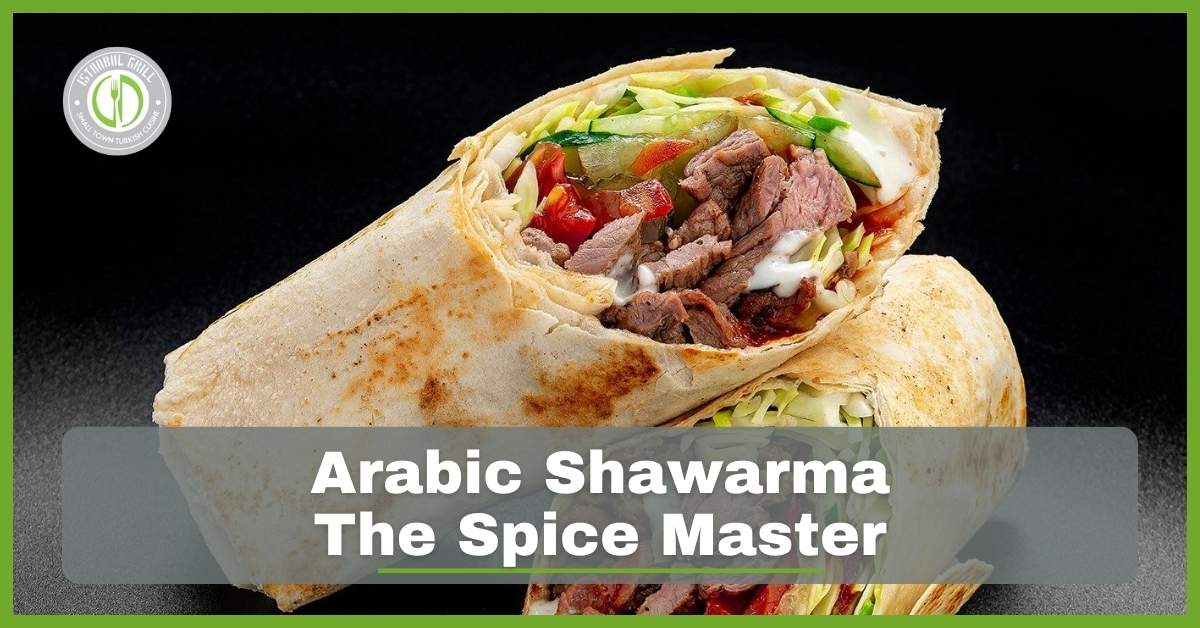
It is a variation of the Shawarma dish, which has its roots in the Levantine region (Syria, Lebanon, Palestine, and Jordan), where spices have been an important part of the cuisine. The methodology may have come out of a Turkish diner, but shawarma has made its own identity of its own.
The difference is in the complicated combination of spices. They utilize such things as cardamom, cinnamon, allspice, and even special blends such as baharat, which may contain 10 or more different spices. The effect is concentric rings of taste that evolve in your mouth. What makes Arabic shawarma different:
- Spice complexity: Uses many different spices in complex blends
- Garlic sauce: Toum (whipped garlic sauce) is a key part of the experience
- Meat variety: Can be lamb, chicken, beef, or turkey
- Bread options: Different types from thin markook to thick pita
- Vegetables: Often includes pickled turnips, parsley, and tomatoes
How They Cook Differently
Although all three use the vertical spit technique, there are some variations:
Turkish kebab stacks the meat upright and allows the juices to drip down and flavourize the meat underneath. This decentrates to make very soft, juicy results.
Greek gyros tends to be cooked a bit differently, with the emphasis on giving the outside crispiness whilst making the inside soft.
The Arabic shawarma also varies according to region, but in many cases involves more elaborate marinating procedures that may last days.
The Style of Service Speaks
The way in which each dish is coming out is indicative of something about the culture it belongs to:
Turkey: DГ keyboard jobs in India dinner is frequently served with rice, and side of bread and salad, and grilled vegetables. It is considered formal eating.
Greece: Gyros is predominantly a street food item; a part of it is put into pita bread with everything jammed inside. It is intended to be consumed with one hand whilst you are getting along.
In Arabic countries, Shawarma can be both – occasionally street food, and occasionally as something served, accompanied by such items as hummus, tabbouleh, and pickles.
The Flavor and The Difference
They are very different in flavor
- Turkish d-ner: juicy and meaty with warm and thick spices
- Greek gyros: Light and with herby flavour, and the coldness of tzatziki to contrast the meat
Arabic shawarma has many flavors, and it is rather complicated and spicy, containing tastes of various spices along with the punch of the garlic sauce.
What do you do now?
More have agreed that the vertical spit method originated in Turkey in the Ottoman Empire. Then it traveled to Greece and the Arabic-speaking world, where each took it and made it their own, using what ingredients were available.
This is not very abnormal – food travels and transforms itself in the process. The interesting thing is how three different cultures adopted the same simple idea, and three different eating experiences were developed.
Today’s Global Reach
All three have diffused all over the world and continue to evolve. In Germany, every location makes its own local additions.
The bottom line
The Greek gyros and Arabic shawarma are similar, but not identical. They demonstrate how food can move across different borders and different cultures, transforming and evolving whilst preserving its basic nature. Regardless of whether you like the warm blend of spices in dino, the savory freshness of gyros, or the headier flavors of shawarma, you are getting hundreds of years of culinary development.
The next time you go and have to choose one of them, keep in mind that there are no wrong choices. All of them provide their own tasty mode of enjoying meat in its simplest magic on a revolving spit.