Turkish kebab utilizes Mediterranean spices and quick grilling techniques. American BBQ focuses on slow cooking and smoky flavors. Both create amazing dishes that food lovers enjoy worldwide. The culinary world offers many delicious grilling traditions. Two of the most popular are Turkish kebab and American BBQ. These cooking styles come from different cultures. They have unique flavors and techniques. This flavor battle will help you understand both cooking methods better.
Best Marinades for Tender Kebabs
Turkish kebab marinades are the secret to amazing flavor. Traditional marinades use olive oil, lemon juice, and yogurt. These ingredients make meat tender and juicy. The acids in lemon and yogurt break down tough meat fibers.
American BBQ marinades work differently. They often contain vinegar, brown sugar, and molasses. These sweet and tangy ingredients create a caramelized coating. The sugar helps form a beautiful crust during slow cooking.
| Turkish Kebab Marinades | American BBQ Marinades |
| Olive oil base | Vinegar base |
| Yogurt for tenderness | Brown sugar for sweetness |
| Fresh herbs like oregano | Dry rubs with paprika |
| Lemon juice for acidity | Apple cider vinegar |
| Garlic and onion powder | Worcestershire sauce |
Grilling Tips for Perfect Results
Turkish kebab grilling requires high heat and quick cooking. The grill should be very hot before adding meat. This creates a nice sear on the outside. Keep the meat moving to prevent burning. Most kebabs cook in 10-15 minutes.
American BBQ grilling uses low and slow techniques. The temperature stays around 225-250°F. This method takes hours but creates incredibly tender meat. The smoke flavor develops slowly over time. Patience is the key to great BBQ.
Turkish chefs often use metal skewers for even cooking. The metal conducts heat to the center of the meat. American pitmasters prefer wood chips for smoking. Different woods create different flavors like hickory, apple, or cherry.
Vegetarian Kebab Alternatives
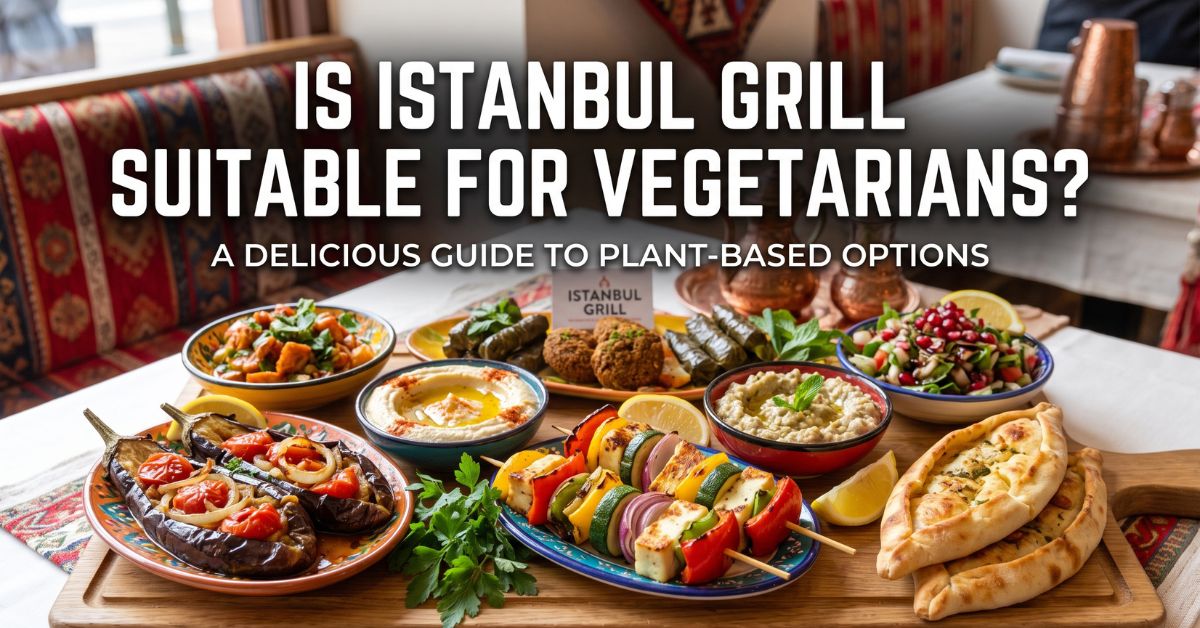
Vegetarian Turkish kebabs use vegetables like eggplant, peppers, and zucchini. Halloumi cheese is also popular on skewers. The same marinades work well with vegetables. Grilling time is shorter for most vegetables.
American BBQ offers pulled jackfruit as a meat substitute. Portobello mushrooms work great for BBQ flavor. These alternatives absorb smoky BBQ flavors well. Many BBQ restaurants now offer excellent vegetarian options.
Tofu and tempeh can work in both styles. They need longer marinating time to absorb flavors. The key is choosing firm varieties that won’t fall apart on the grill.
Essential Spice Blends
Turkish spice blends focus on Mediterranean flavors. Common spices include cumin, paprika, and oregano. Sumac adds a tangy, lemony taste. These spices complement the natural meat flavors without overpowering them.
American BBQ rubs are bold and complex. They often contain brown sugar, chili powder, and garlic powder. Smoked paprika adds depth and color. Some regions prefer spicy blends while others like sweet profiles.
| Turkish Spice Profile | American BBQ Spice Profile |
| Cumin and coriander | Brown sugar base |
| Fresh herbs dominant | Dry spices dominant |
| Moderate heat levels | Varies from mild to very hot |
| Mediterranean influence | Regional American variations |
| Balances with yogurt | Balances with sweet elements |
Choosing the Right Meat Cuts
Turkish kebab traditionally uses lamb, but beef and chicken work well too. The meat is often ground or cut into small cubes. Adana kebab uses ground lamb mixed with spices. Shish kebab uses cubed meat pieces.
American BBQ loves tough cuts that become tender through slow cooking. Brisket, pork shoulder, and ribs are BBQ favorites. These cuts have lots of connective tissue. Long cooking breaks this down into tender, flavorful meat.
For kebabs, choose lean cuts like leg of lamb or beef sirloin. For BBQ, choose fatty cuts like pork butt or beef chuck roast. The fat renders during long cooking and keeps the meat moist.
Popular Kebab Sauces and Dips
Turkish cuisine offers many delicious sauces. Tzatziki made with yogurt, cucumber, and dill is very popular. Ezme is a spicy tomato and pepper sauce. These sauces are fresh and cooling.
American BBQ sauces are thick and bold. Kansas City style is sweet and molasses-based. Carolina style uses vinegar and peppers. Texas style often skips sauce entirely, letting the meat shine.
Garlic sauce works well with Turkish kebabs. It’s made with garlic, lemon, and olive oil. Chimichurri has gained popularity in American grilling. This herb sauce adds fresh flavor to grilled meats.
Regional Kebab Styles Explained
Turkish regions each have special kebab styles. Adana kebab from southern Turkey is spicy and uses ground meat. Urfa kebab is milder with similar preparation. Istanbul style often includes vegetables on the same skewer.
American BBQ regions have distinct characteristics. Texas BBQ focuses on beef and dry rubs. Kansas City BBQ uses sweet, thick sauces. Carolina BBQ prefers pork with vinegar-based sauces. Memphis BBQ uses dry rubs without sauce.
Each region developed styles based on local ingredients and preferences. Climate also influenced cooking methods. Hot, dry areas favored quick grilling while cooler areas developed slow smoking techniques.
Common Grilling Mistakes to Avoid
Overcooking kebabs is the most common mistake. The small pieces cook quickly and can become dry. Always check for doneness early. Turkish kebabs are best when slightly pink inside for lamb and beef.
American BBQ mistakes include opening the grill too often. This releases heat and smoke. “If you’re looking, you’re not cooking” is a common BBQ saying. Temperature control is crucial for good results.
Not letting meat rest is another common error. Both Turkish kebabs and American BBQ need resting time. This allows juices to redistribute throughout the meat. Five minutes is usually enough for kebabs, while large BBQ cuts need 15-30 minutes.
Quick Weeknight Kebab Recipes
Weeknight Turkish kebabs can be ready in 30 minutes. Marinate chicken pieces in yogurt, garlic, and spices for just 15 minutes. Thread onto skewers with vegetables. Grill for 12-15 minutes, turning occasionally.
Quick American BBQ uses thin cuts like pork tenderloin or chicken thighs. These cook faster than traditional BBQ cuts. Use a sweet and tangy glaze during the last few minutes of cooking.
Ground meat kebabs cook even faster. Mix ground lamb or beef with onions and spices. Form around flat skewers. These cook in just 8-10 minutes. Serve with pita bread and fresh vegetables.
Serving Suggestions and Sides
Turkish kebab traditionally comes with rice pilaf and grilled vegetables. Fresh salad with tomatoes and onions adds crunch. Lavash bread or pita helps create wraps. Ayran, a yogurt drink, cools the palate.
American BBQ pairs perfectly with classic sides. Coleslaw provides cool crunch against rich meat. Baked beans complement smoky flavors. Cornbread soaks up delicious sauces. Mac and cheese is a modern favorite.
Both styles benefit from fresh herbs and vegetables. Pickled vegetables cut through rich flavors. Simple salads with lemon dressing work well with both cuisines. The key is balancing rich, grilled flavors with fresh, light accompaniments.
| Turkish Serving Style | American BBQ Serving Style |
| Rice or bulgur as base | Bread or rolls as base |
| Fresh herbs and salads | Creamy, rich sides |
| Yogurt-based sauces | Tomato or vinegar-based sauces |
| Individual portions | Family-style sharing |
| Tea or ayran to drink | Beer or sweet tea |
Conclusion
The flavor battle between Turkish kebab and American BBQ shows two amazing grilling traditions. Turkish cuisine offers quick, flavorful cooking with Mediterranean influences. American BBQ provides slow, smoky comfort food with regional variations.
Both styles create delicious meals that bring people together. Try both cooking methods to discover your personal preference. Whether you choose the quick satisfaction of Turkish kebabs or the slow reward of American BBQ, you’ll create memorable meals for family and friends.