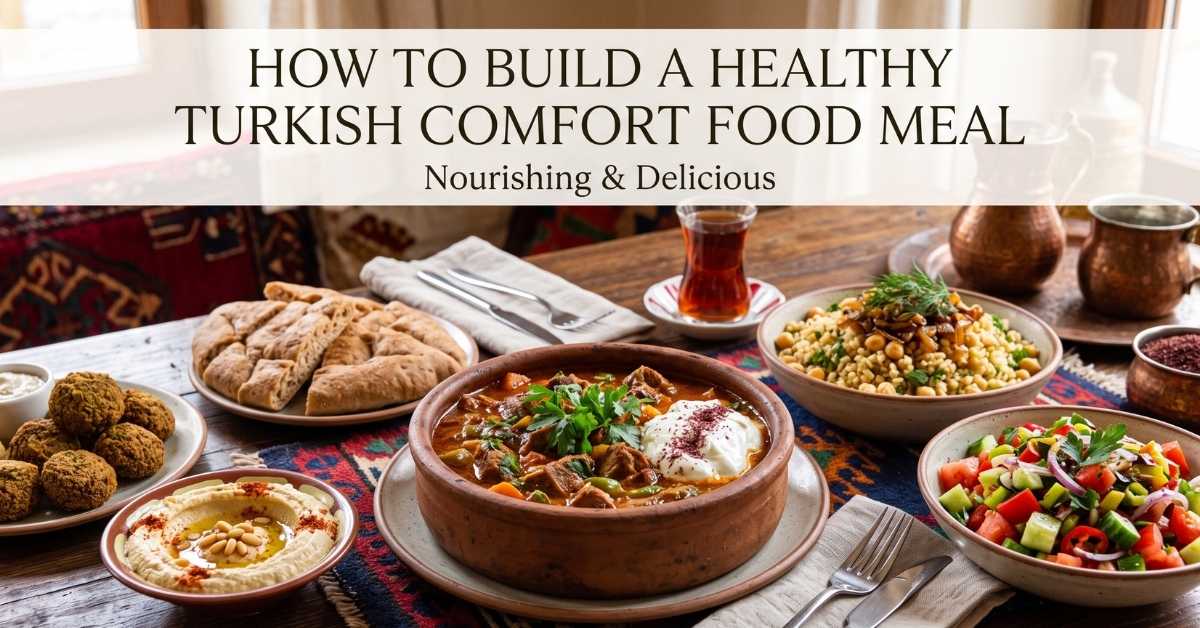
As September air turns crisp and golden leaves fall, kitchens call for comfort. This is the perfect season to explore fall Turkish recipes, a collection of dishes that blend warmth, spice, and tradition. Turkish cuisine is renowned for its hearty stews, fragrant rice pilafs, and fresh-baked breads that evoke a sense of home with every bite. With flavors shaped by history and geography, it offers more than food—it gives stories on a plate. Imagine Turkish spices filling the room, regional Turkish food simmering, or soft Turkish bread fresh from the oven. These recipes bring both nourishment and connection to the heart of autumn.
Why Fall is Perfect for Turkish Recipes
September in Turkey is a time of change. Summer fruits fade away, and markets fill with fresh fall vegetables like pumpkins, eggplants, and beans. These ingredients inspire many fall Turkish Recipes. In the United States, you will notice the same shift. Local farmers’ markets bring new colors to the table, from golden squash to juicy pomegranates. These seasonal ingredients are what make Turkish food so cozy for fall.
Another reason why fall and Turkish cuisine go so well is the style of cooking. Turkish people love slow-cooked stews, lentil soups, and oven-baked breads. These meals are hearty and filling, making them perfect for cool September evenings. When combined with fragrant Turkish spices, the food feels like a warm hug. It is not just about eating; it is about creating comfort at home. As one Turkish saying goes: “A shared meal tastes sweeter.” That spirit of togetherness is why Turkish recipes feel so special during fall.
Turkish Street Food at Home
Turkish street food is famous around the world. From the smell of roasted chestnuts in Istanbul to the crispy bite of simit by the Bosphorus, street food is part of daily life. Bringing homemade street food into your kitchen is a fun way to taste Turkey without leaving home. Popular choices include simit, kumpir (loaded baked potato), and gözleme (stuffed flatbread). These dishes are easy to make with simple ingredients available in American grocery stores.
For example, simit is like a sesame-covered bread ring. In Turkey, it is often eaten with tea. At home, you can bake it in the oven, using regular flour and sesame seeds. Kumpir is another fall favorite. Imagine a baked potato stuffed with cheese, olives, corn, and pickles. It is warm, filling, and customizable. Gözleme is a thin flatbread cooked on a griddle and filled with spinach, cheese, or potatoes. In many Turkish families, gözleme is the ultimate comfort food.
Here is a quick look at some street food favorites you can try this fall:
| Street Food Dish | Key Ingredients | Why It Fits Fall |
| Simit | Flour, sesame seeds | Great with hot tea on cool mornings |
| Kumpir | Potato, cheese, olives | Warm and filling, perfect for dinner |
| Gözleme | Dough, spinach, feta | Comforting, quick, and homemade |
| Roasted Chestnuts | Chestnuts, salt | Seasonal snack sold on Turkish streets |
Cooking these dishes at home lets you feel the spirit of Turkish streets while staying cozy in your own kitchen.
Essential Turkish Spices Guide
Spices are the heart of Turkish cooking. Without them, Fall Turkish Recipes would not have their deep and comforting flavors. Each spice tells a story, connecting modern kitchens with centuries of Ottoman food culture. In Turkey, spices are not only used for taste but also for health. For fall, spices like cinnamon and cumin help the body stay warm, while sumac adds freshness to heavier meals.
Here are some essential Turkish spices you should keep in your pantry:
| Spice | Flavor | Use in Fall Recipes |
| Pul Biber (red pepper flakes) | Mild heat | Sprinkled on soups, kebabs, and stews |
| Sumac | Tangy and lemony | Added to salads or grilled meats |
| Cumin | Earthy and warm | Used in lentil soup and köfte |
| Nigella Seeds | Slightly bitter, nutty | Sprinkled on breads like simit |
| Cinnamon | Sweet and warm | Used in desserts and pilafs |
Finding these spices in the USA is easier than you might think. Many grocery stores now carry international sections, and online shops and Turkish specialty stores provide authentic options. If you cannot find a spice, there are substitutes. For example, lemon zest can replace sumac, while black sesame seeds can mimic nigella seeds. Still, if you want to taste the real magic of Turkish spices, it is worth investing in the authentic versions.
Healthy Turkish Cooking Methods
When people think of comfort food, they often imagine heavy meals. But healthy Turkish cooking proves that comfort can also be light and nourishing. The secret lies in the cooking methods passed down through generations. Grilling, steaming, and braising with olive oil are central techniques. These methods highlight natural flavors while keeping meals nutritious.
One example is olive oil braising, known in Turkey as zeytinyağlı. Vegetables like green beans or artichokes are slowly cooked in olive oil with onions and tomatoes. The result is soft, flavorful, and incredibly healthy. Another method is grilling, especially popular for meats and fish. Instead of frying, Turks prefer cooking over open flames, which adds a smoky taste without extra fat. Steaming bulgur or rice is another simple way to keep meals light while making them filling.
Here’s a comparison table of healthy Turkish cooking methods:
| Cooking Method | Example Dish | Why It’s Healthy |
| Olive Oil Braising (Zeytinyağlı) | Green beans with olive oil | Preserves nutrients and uses healthy fats |
| Grilling | Chicken shish kebab | Adds flavor without heavy oils |
| Steaming | Bulgur pilaf | Keeps grains fluffy and light |
| Baking | Börek with spinach | Reduces oil use while keeping crisp texture |
The beauty of these methods is that they fit perfectly into modern healthy eating trends. You can enjoy the comfort of Fall Turkish Recipes without feeling guilty.
Regional Turkish Cuisine
Turkey is a large country, and each region has its own unique flavors. This makes regional Turkish food exciting to explore, especially in the fall. In the Aegean region, meals are lighter and full of olive oil, herbs, and vegetables. Think of stuffed grape leaves or braised artichokes. These dishes are perfect for people who enjoy plant-based recipes.
In contrast, Southeastern Turkey offers bold flavors with more spices, kebabs, and stews. Dishes like lamb stew or spicy lentil soup are popular in cooler months. The Black Sea region, rich in seafood, focuses on anchovy-based dishes, which pair well with corn bread. Anatolia, the heartland of Turkey, is famous for wheat-based meals like mantı (Turkish dumplings) and hearty soups. Each region has its own story, but all of them come together under the umbrella of Fall Turkish Recipes, making the cuisine diverse and rich.
Here’s a snapshot of regional favorites:
| Region | Example Fall Dish | Main Flavors |
| Aegean | Stuffed grape leaves | Olive oil, herbs |
| Southeastern | Spicy lentil soup | Chili, cumin |
| Black Sea | Anchovy pilaf | Seafood, corn |
| Anatolia | Mantı dumplings | Yogurt, garlic |
Exploring regional Turkish cuisine gives you more than just recipes. It gives you culture, history, and a taste of the Turkish way of life.
Turkish Vegetarian Recipes
Vegetables play a big role in Turkish vegetarian cooking. Many of the classic dishes are naturally plant-based recipes, which makes them perfect for anyone who avoids meat. Fall brings seasonal vegetables like eggplant, zucchini, and peppers, which are ideal for stuffing, roasting, or braising. One of the most popular vegetarian dishes is imam bayıldı, a soft eggplant stuffed with onions, garlic, and tomatoes, cooked in olive oil. It is filling, flavorful, and healthy. Another well-loved recipe is mercimek çorbası, or red lentil soup. This is often the first dish served in Turkish homes during the fall. It is rich in protein, simple to prepare, and very comforting on a chilly evening.
Stuffed vegetables, known as dolma, are another must-try. In the fall, peppers and zucchini are filled with rice, herbs, and sometimes currants or pine nuts. These meals are satisfying without being heavy. What makes Turkish vegetarian dishes unique is the use of herbs and spices that turn simple vegetables into flavorful feasts. Even people who usually prefer meat often enjoy these recipes because of their depth of taste. In the USA, fresh produce is easy to find in September, so recreating these dishes at home is not difficult.
Quick Turkish Weeknight Meals
Cooking Turkish food does not always mean spending hours in the kitchen. Many quick Turkish meals fit perfectly into busy weeknights. One favorite is menemen, a scrambled egg dish with tomatoes, peppers, and spices. It takes less than 15 minutes to prepare and tastes amazing with fresh bread. Another great option is mercimek köftesi, or red lentil patties. These are made ahead of time, shaped into small bites, and served with lettuce or flatbread. They are protein-rich and convenient for families on the go.
Another easy choice is börek, a savory pastry filled with cheese, potatoes, or spinach. Using store-bought filo dough saves time, making it a practical recipe for American kitchens. These dishes are examples of easy recipes that still bring authentic Turkish flavors to the table. They show that you do not need hours to enjoy Fall Turkish Recipes. Instead, you can bring the comfort of Turkish food into your home even on the busiest evenings.
Turkish Holiday Food Traditions
Food plays a central role in Turkish holidays. Every celebration includes special dishes that carry meaning and history. For example, during Kurban Bayramı, lamb dishes are common. Families gather to share meals made with stews, kebabs, and rice pilafs. Another important tradition is aşure, or Noah’s pudding. This dessert is made in large pots with grains, dried fruits, nuts, and spices. It is shared with neighbors and friends as a symbol of peace and community.
In September, fall holidays often include hearty stews, rice dishes, and desserts with cinnamon and nuts. These meals are not just about taste; they represent togetherness. In Turkish culture, preparing food for guests is a way of showing love and respect. Even in the USA, people can honor these traditions by cooking similar dishes for family gatherings. By doing so, you bring the warmth of celebration food into your home, keeping traditions alive while enjoying the rich flavors of Turkish cuisine.
Turkish Kitchen Tools Guide
Every cuisine has special tools that make cooking easier, and Turkish food is no different. A key item in Turkish cooking tools is the cezve, a small pot used to prepare Turkish coffee. Another is the sahan, a shallow copper pan used for egg dishes like menemen. For stews and braises, traditional clay pots are still popular in many Turkish villages. These pots allow food to cook slowly, giving it a deep flavor.
For baking, Turks often use large trays to prepare dishes like börek or baklava. The trays help layer filo dough evenly and bake it to a golden crisp. In the USA, you can replace these with standard baking sheets or oven-safe pans. While having authentic kitchen equipment adds to the experience, it is not required. What matters is using the right technique. Even with modern tools, you can still capture the heart of Turkish recipes.
Turkish Food and Drink Pairings
One of the joys of Turkish cuisine is how well food and drinks are matched. A proper Turkish food pairing enhances the flavors of the meal. For example, no simit is complete without Turkish tea, which balances the sesame bread’s richness. For meat dishes like kebabs, ayran, a salty yogurt drink, is the perfect match. It cools the spices while refreshing the palate. In the fall, pomegranate juice is also popular. Its sweet and sour taste complements both vegetarian and meat-based dishes.
For those who prefer stronger flavors, rakı, an anise-flavored drink, is often served with seafood and mezze spreads. This tradition is less about the alcohol itself and more about enjoying long meals with family and friends. A simple table of pairings shows how drinks bring harmony to meals:
| Dish | Drink Pairing | Why It Works |
| Simit | Turkish tea | Balances nutty sesame flavor |
| Kebabs | Ayran | Cool spicy meat |
| Fish dishes | Rakı | Enhances seafood flavors |
| Vegetarian dolma | Pomegranate juice | ADDS freshness to rice and herbs |
These beverage guides show that Turkish dining is about more than just food. It is about creating a complete experience, where flavors and drinks come together in balance.
Turkish Bread Making Basics
Bread is at the center of Turkish dining. No meal feels complete without fresh bread on the table. Learning Turkish bread making at home is not difficult, and it can bring an authentic touch to your fall kitchen. The most common type is pide, a soft flatbread often shaped into an oval and baked with sesame seeds. It is eaten with soups, stews, or even plain with butter. Another classic is bazlama, a thick, round bread cooked on a skillet. Warm and fluffy, it is perfect for dipping in olive oil or enjoying with cheese.
Baking techniques matter a lot in Turkish kitchens. Traditionally, bread was cooked in stone ovens, giving it a smoky taste and crispy crust. At home in the USA, a regular oven or cast-iron pan works just fine. The secret lies in kneading the dough well and letting it rise slowly. Patience is what makes Turkish bread soft yet flavorful. Even beginners can master these techniques. Fall is a wonderful time to bake bread, as the warmth of the oven fills the home with comfort, making these recipes part of everyday meals.
Fall Turkish Desserts to Sweeten September Nights
No article about Fall Turkish Recipes would be complete without mentioning desserts. Turkish sweets are more than just sugar; they are part of culture and tradition. One famous fall dessert is aşure, or Noah’s pudding. According to legend, Noah made it with the last ingredients left on the Ark, and today it symbolizes sharing. This dessert includes grains, dried fruits, nuts, and spices, making it hearty and rich. Another autumn favorite is pumpkin dessert, where pumpkin slices are slow-cooked with sugar and topped with walnuts. It is simple yet elegant, highlighting seasonal produce.
Of course, baklava remains a star on Turkish tables. Thin layers of filo dough, butter, and nuts are baked together, then soaked in sweet syrup. Although baklava is eaten year-round, its richness makes it a perfect indulgence on cool September evenings. Desserts in Turkish culture are not only about taste; they are also about hospitality. Guests are often welcomed with something sweet and a cup of Turkish tea. By preparing these desserts at home, you can bring both flavor and tradition into your fall gatherings.
Tips for Cooking Turkish Recipes in American Kitchens
Cooking Fall Turkish Recipes in the USA is easier than many people think. While some ingredients are unique to Turkey, there are always substitutes available. For example, feta cheese works well in place of beyaz peynir, the soft white cheese used in many dishes. Greek yogurt is a good stand-in for Turkish yogurt, which has a thick and creamy texture. For bread recipes, all-purpose flour is enough, even if you cannot find Turkish flour.
When it comes to spices, it is best to buy authentic versions if possible. Stores like Whole Foods, Middle Eastern markets, or online shops carry Turkish spices such as sumac and pul biber. Another helpful tip is to prepare in advance. Turkish recipes often involve layers of flavor, which can be achieved by marinating meat or soaking beans overnight. American kitchens may not have clay pots or copper pans, but cast-iron skillets and Dutch ovens can create the same effect. With a little creativity, you can cook authentic Turkish meals without needing a traditional setup.
Conclusion: Cozy Up with Fall Turkish Recipes
As September arrives, kitchens across the world begin to shift. The light meals of summer give way to the rich, warming foods of fall. This is when Fall Turkish Recipes bring their true charm. From soups flavored with Turkish spices to breads fresh from the oven, every dish offers comfort. Turkish cooking is not just about filling the stomach; it is about warming the heart. Meals are shared with family, friends, and even neighbors, turning food into a bridge of togetherness.
What makes Turkish cuisine perfect for fall is its balance. You find healthy dishes made with olive oil, quick meals for weeknights, and festive recipes for holidays. Whether you bake simit, prepare lentil soup, or try your hand at baklava, each dish tells a story. Cooking these meals in American kitchens connects you not only to Turkish traditions but also to the universal love of comfort food. This September, fill your table with Turkish warmth and discover how simple ingredients can create unforgettable memories.
FAQs About Fall Turkish Recipes
- What are the most popular Fall Turkish Recipes?
Some favorites include red lentil soup, gözleme, kumpir, stuffed peppers, and pumpkin dessert. Each dish is perfect for cool September evenings. - Which Turkish spices should beginners start with?
The most important are pul biber, cumin, sumac, cinnamon, and nigella seeds. These give authentic flavor to soups, breads, and stews. - Can I make Turkish bread without a stone oven?
Yes. A regular oven, Dutch oven, or cast-iron skillet works well. The key is proper kneading and slow rising. - What’s a quick Turkish recipe for weeknights?
Menemen, made with eggs, tomatoes, and peppers, is quick and easy. Mercimek köftesi (lentil patties) are another healthy and fast option. - Are there many vegetarian Turkish dishes?
Yes. Recipes like imam bayıldı, lentil soup, stuffed grape leaves, and vegetable börek are naturally vegetarian and full of flavor.