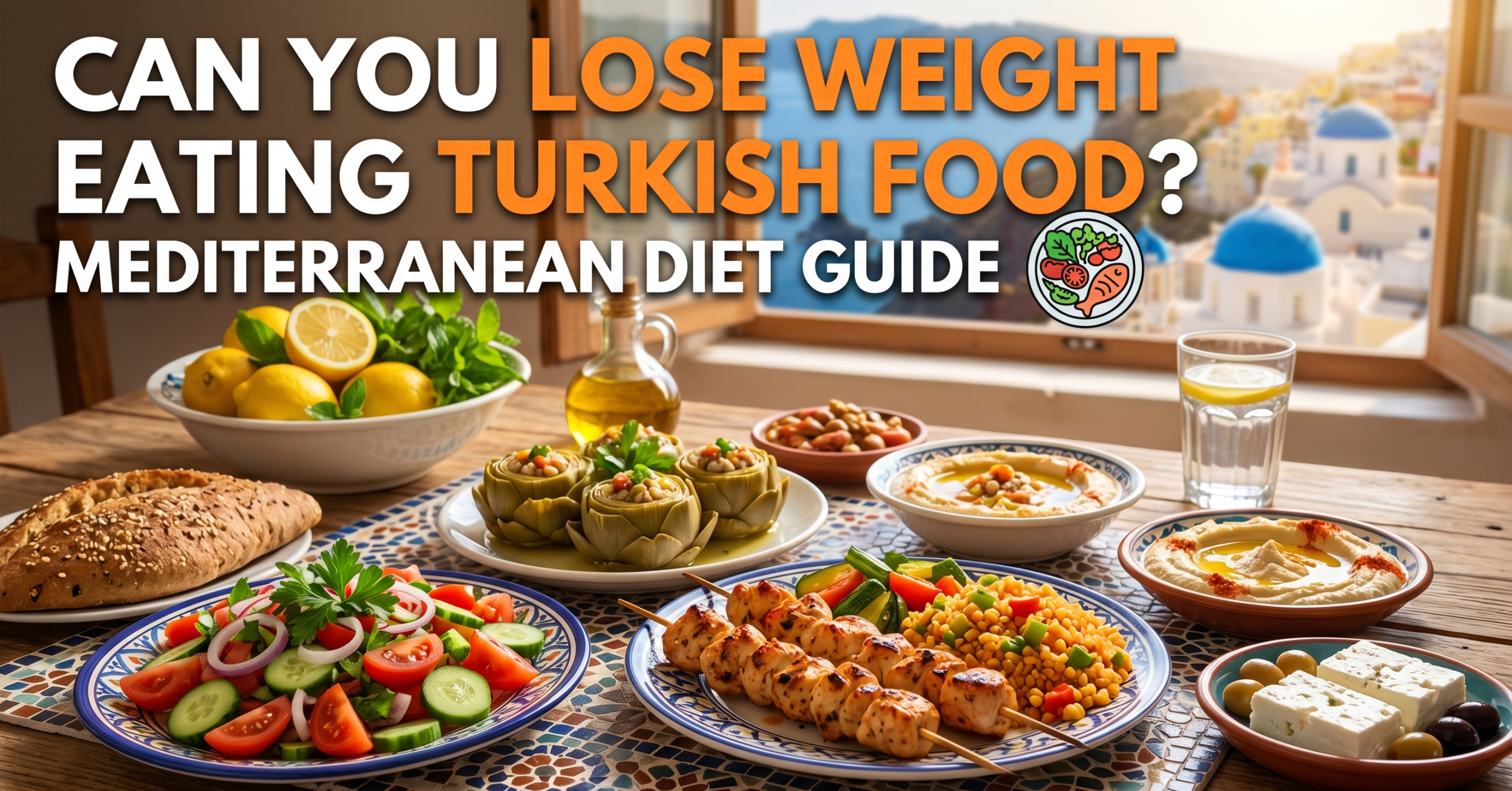
If you’ve been told that losing weight means giving up delicious food, we have great news for you. Turkish cuisine, rooted in the Mediterranean diet tradition, might be exactly what your weight loss journey needs. Yes, you can absolutely lose weight while eating Turkish food—and actually enjoy every bite.
At Istanbul Grill Restaurant, we’ve watched countless customers discover that healthy eating doesn’t have to be boring or restrictive. Turkish food offers flavorful, satisfying meals that align perfectly with the Mediterranean diet—which U.S. News & World Report has ranked as the #1 best diet for eight years running.
The secret? Turkish cuisine naturally emphasizes the same principles that make the Mediterranean diet so effective for weight loss: plenty of vegetables, lean proteins, whole grains, healthy fats, and moderate portions. Let’s explore how Turkish food can help you shed pounds while keeping your taste buds happy.
Why the Mediterranean Diet Works for Weight Loss
The Mediterranean diet isn’t a restrictive fad. It’s a sustainable eating pattern that people have followed for centuries in countries surrounding the Mediterranean Sea, including Turkey. Research consistently shows it helps with weight loss and long-term weight maintenance.
According to studies cited by the Mayo Clinic, the Mediterranean diet works for weight loss because it focuses on foods with low calorie density. This means you can eat generous portions and feel full without consuming too many calories. Leafy greens, tomatoes, zucchini, and other vegetables that form the backbone of Turkish cooking are incredibly low in calories per gram.
A 2015 study published in The Lancet Diabetes & Endocrinology found that people following a Mediterranean diet with calorie awareness lost more weight over one year than those following a traditional low-fat diet. Even better, research shows people who stick with Mediterranean eating maintain their weight loss long-term—something most diets fail to achieve.
The beauty of Turkish food is that it’s Mediterranean by nature, not by adaptation. These aren’t recipes modified to fit a diet trend. Turkish cuisine has always been built around the same healthy principles that nutrition scientists now recommend for weight loss.
How Turkish Food Supports Weight Loss
Turkish cooking naturally incorporates elements that promote healthy weight management without requiring you to count every calorie or measure every portion obsessively.
High in Vegetables and Fiber
Turkish meals always include generous portions of vegetables. Whether it’s a fresh çoban salatası (shepherd’s salad), roasted eggplant in imam bayıldı, or sautéed spinach, vegetables take up significant plate space. This high fiber content keeps you full longer, stabilizes blood sugar, and helps you eat fewer calories overall without feeling deprived.
The fiber in vegetables, whole grains, and legumes also feeds beneficial gut bacteria, which emerging research links to better weight management. When you eat a Turkish breakfast spread or order meze appetizers, you’re consuming a rainbow of fiber-rich plant foods that support both weight loss and overall health.
Lean Proteins Keep You Satisfied
Turkish cuisine features lean proteins like grilled chicken, fish, and lamb prepared with minimal added fat. These proteins satisfy hunger and help maintain muscle mass during weight loss—crucial because muscle burns more calories at rest than fat does.
Dishes like grilled chicken shish kebab or sea bass baked with vegetables provide high-quality protein without excessive calories. The protein-rich Turkish foods on our menu keep you feeling full between meals, reducing the temptation to snack on less healthy options.
Healthy Fats in Moderation
Turkish cooking uses olive oil as the primary fat source. Unlike butter or cream-heavy sauces in some cuisines, olive oil provides heart-healthy monounsaturated fats that actually support weight loss when used appropriately. Research shows that people who include olive oil in their diet lose more weight than those following strict low-fat diets.
The key is moderation. Olive oil is calorie-dense, so Turkish cuisine traditionally uses it thoughtfully—drizzled over vegetables, mixed into salads, or used to cook lean proteins—rather than drowning food in fat.
Naturally Portion-Controlled Through Meze Culture
One of the most weight-loss-friendly aspects of Turkish dining is the meze tradition. Instead of one enormous entree, Turkish meals often feature multiple small plates of different dishes. This variety naturally encourages you to eat smaller amounts of each item while still enjoying diverse flavors.
Our hot and cold appetizers exemplify this approach. You might have a spoonful of hummus, a few dolmas, some grilled vegetables, and a small portion of cheese—getting satisfaction from variety rather than volume.
Minimal Processed Foods and Added Sugars
Traditional Turkish cooking relies on fresh ingredients and natural flavors from herbs and spices rather than processed sauces loaded with hidden sugars and unhealthy fats. When you eat authentic Turkish food, you’re avoiding the processed foods that sabotage most weight loss efforts.
Even Turkish desserts, while sweet, are typically reserved for special occasions rather than everyday eating. The everyday Turkish diet focuses on savory, wholesome foods that nourish without spiking blood sugar or creating cravings.
Best Turkish Foods for Weight Loss
Not all Turkish dishes are created equal when it comes to weight loss. Here are the smartest choices:
Grilled Kebabs
Chicken, lamb, or beef kebabs grilled without added fat are excellent protein sources. Order them with a side salad and grilled vegetables instead of rice or bread if you’re watching calories closely. The protein keeps you full for hours, and grilling adds flavor without extra calories.
Lentil Soup (Mercimek Çorbası)
This staple Turkish soup is a weight-loss superstar. Lentils provide protein and fiber, keeping you satisfied with relatively few calories. A bowl of lentil soup before your main course can help you eat less overall while still feeling comfortably full.
Shepherd’s Salad (Çoban Salatası)
This fresh salad of diced tomatoes, cucumbers, peppers, onions, and parsley dressed with lemon juice and olive oil is extremely low in calories but high in volume. Eat a large portion without guilt, knowing you’re getting vitamins, minerals, and fiber.
Grilled Fish
Turkish coastal cuisine features beautifully prepared fish that’s simply grilled with lemon and herbs. Fish provides omega-3 fatty acids and high-quality protein while being naturally lower in calories than red meat. Try sea bass, salmon, or branzino for a satisfying, weight-loss-friendly meal.
Vegetable Dishes (Zeytinyağlılar)
Turkish olive oil dishes feature vegetables cooked in modest amounts of olive oil and served at room temperature. Green beans, artichokes, and eggplant prepared this way are flavorful, filling, and naturally low in calories. These dishes prove that weight-loss food doesn’t have to be bland or boring.
Turkish Breakfast in Moderation
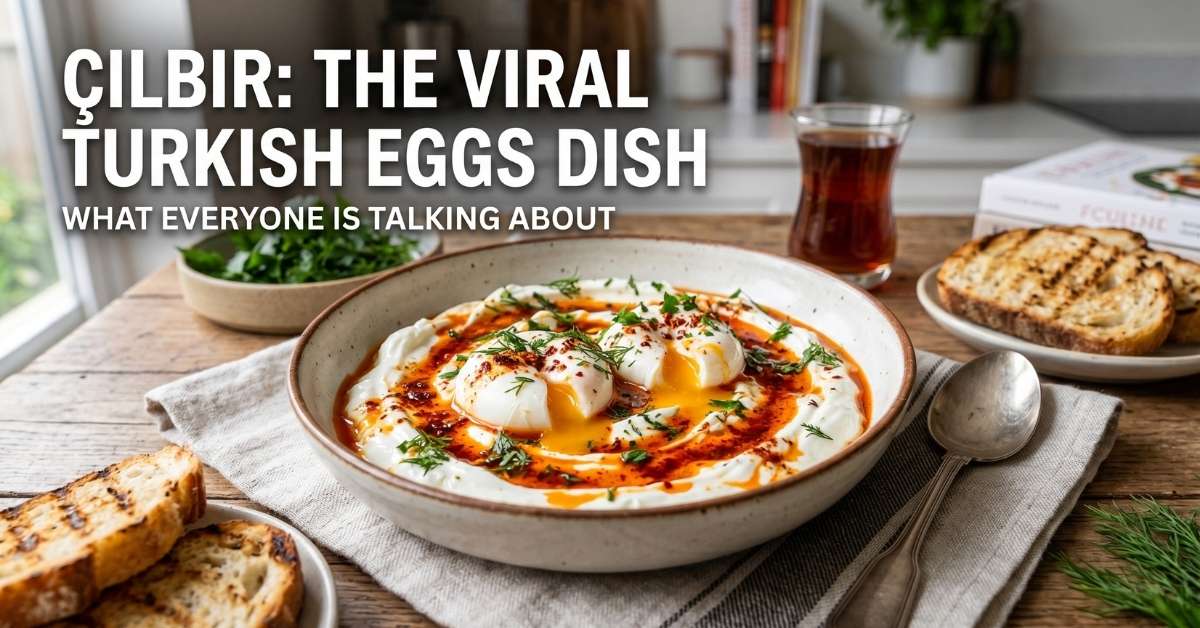
The famous Turkish breakfast can support weight loss if approached thoughtfully. Load your plate with fresh vegetables, olives, and a moderate amount of cheese. Include eggs for protein. Limit bread and skip the honey and jam. This Mediterranean-style breakfast keeps you full until lunch, preventing mid-morning snacking.
Turkish Foods to Enjoy Carefully
Some Turkish dishes are delicious but calorie-dense, so enjoy them in smaller portions or save them for occasional treats:
Börek and Gözleme
These pastries filled with cheese or meat are tasty but made with layers of dough and butter or oil. They’re not off-limits, but treat them as occasional indulgences rather than daily staples. When you do enjoy them, pair them with a large salad to balance the meal. Learn to make lighter versions with our simit bread recipe.
Pilaf and Rice Dishes
Rice cooked with butter and vermicelli noodles is traditional but calorie-dense. Request a smaller portion or skip it entirely if you’re having bread with your meal. You don’t need both starches at once.
Desserts
Baklava, künefe, and Turkish delight are incredibly sweet and calorie-rich. Save these for special occasions and enjoy a small portion. The good news? Traditional Turkish meals don’t typically end with dessert, so you won’t feel like you’re missing anything by skipping sweets.
Fried Foods
While Turkish cuisine features some fried items, they’re not the foundation of the diet. Choose grilled, baked, or sautéed preparations most of the time, saving fried options for occasional treats.
Practical Tips for Losing Weight with Turkish Food
Start Meals with Soup or Salad
Turkish tradition often begins meals with soup or salad. Follow this practice—it helps you eat less of higher-calorie main courses while still feeling satisfied.
Choose Grilled Over Fried
When ordering at Turkish restaurants, look for grilled (ızgara) preparations. Grilled meats and vegetables deliver maximum flavor with minimal added fat.
Mind Your Bread Intake
Turkish meals typically include bread, but you don’t need to eat unlimited amounts. Enjoy a piece or two with your meal, then stop. Better yet, choose whole grain bread when available for extra fiber.
Fill Half Your Plate with Vegetables
Whether dining out or at home, make vegetables the star of your plate. Add protein and a modest amount of grains or bread. This natural balance aligns perfectly with Mediterranean diet principles.
Practice Mindful Eating
Turkish dining culture encourages sitting down, eating slowly, and enjoying food with others. This mindfulness helps you recognize fullness cues and stop eating when satisfied rather than stuffed.
Stay Active After Meals
In Turkey, people often take walks after dinner. This gentle activity aids digestion and creates healthy associations with food and movement rather than food and sedentary behavior.
Real Results from Mediterranean Eating
Research isn’t just theoretical—real people lose weight following Mediterranean diet principles. According to U.S. News & World Report, experts overwhelmingly choose the Mediterranean diet as the most effective approach for long-term health and weight management, with 69% of surveyed experts recommending it in 2026.
People who follow Mediterranean eating patterns report feeling less deprived than on other diets because the food is genuinely enjoyable. You’re not choking down plain chicken breast and steamed broccoli. You’re eating flavorful grilled kebabs with herb-roasted vegetables, enjoying fresh salads dressed with quality olive oil, and savoring meals that feel satisfying rather than punishing.
The key difference? Mediterranean eating, including Turkish cuisine, emphasizes what you can eat rather than obsessing over restrictions. The focus is on adding more vegetables, whole grains, and healthy fats—crowding out less nutritious choices naturally rather than white-knuckling your way through deprivation.
Building a Weight-Loss-Friendly Turkish Meal Plan
Here’s what a day of Turkish-inspired eating might look like for someone focused on weight loss:
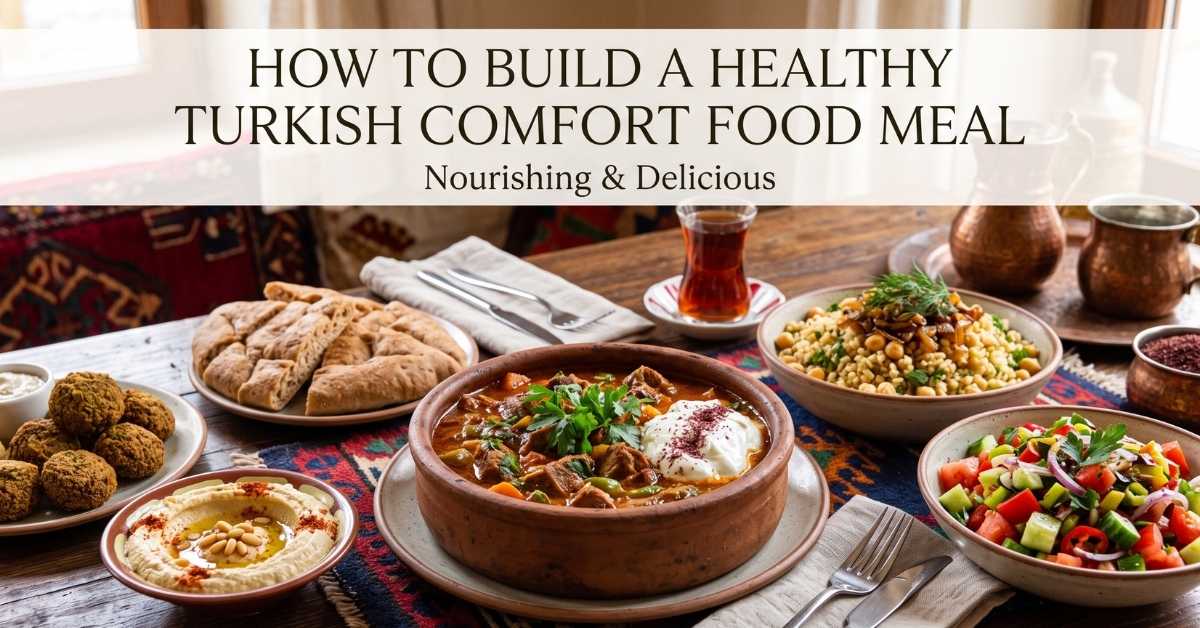
- Breakfast: Turkish-style plate with sliced tomatoes, cucumbers, olives, a boiled egg, and a small amount of cheese. Optional whole grain bread. Turkish tea.
- Lunch: Lentil soup followed by grilled chicken kebab with a large shepherd’s salad and a small portion of bulgur pilaf.
- Afternoon Snack: A handful of nuts or fresh fruit.
- Dinner: Grilled fish with roasted vegetables and a fresh salad. If still hungry, add a small serving of manti pasta.
This eating pattern provides plenty of food, diverse flavors, and satisfying meals while staying within reasonable calorie limits for weight loss. You’re not starving or eating boring diet food—you’re enjoying authentic Turkish cuisine prepared with weight management in mind.
The Bottom Line
Yes, you absolutely can lose weight eating Turkish food. In fact, Turkish cuisine’s natural alignment with Mediterranean diet principles makes it an excellent choice for sustainable weight loss that doesn’t feel like dieting.
The combination of vegetables, lean proteins, whole grains, healthy fats, and moderate portions creates meals that satisfy both your appetite and your weight loss goals. Unlike restrictive diets that leave you feeling deprived, Turkish food offers variety, flavor, and cultural richness that make healthy eating feel like a pleasure rather than a punishment.
At Istanbul Grill, we believe good food and good health go hand in hand. Our menu features authentic Turkish dishes prepared with fresh ingredients and traditional methods that naturally support healthy weight management. Whether you’re looking to lose weight, maintain your current weight, or simply eat more healthfully, Turkish cuisine offers delicious options that nourish your body without sacrificing flavor.
The Mediterranean diet works because it’s sustainable. You can follow it for life, not just until you hit your goal weight. Turkish food makes this sustainability even easier by offering meals so flavorful and satisfying that you’ll never feel like you’re missing out. Visit us in Orlando or Kissimmee to experience how delicious weight-loss-friendly eating can be.