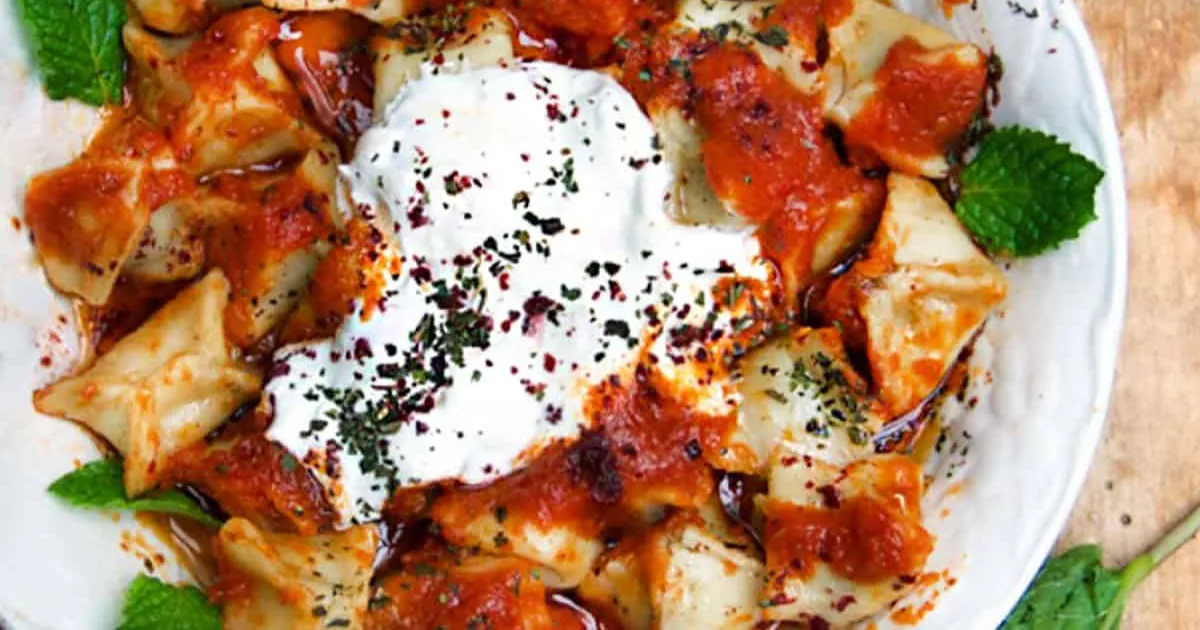
If you’re a lover of comforting, hearty meals with a touch of tradition, Manti pasta should be on your cooking list. This Turkish delicacy combines the rich texture of handmade dough, savory spiced meat filling, and a creamy yogurt-garlic sauce that delights every taste bud. Known as Turkish dumplings, Manti pasta is an art form, a meal that carries centuries of history and flavor.
This guide will take you through everything you need to know , from dough preparation to serving suggestions. Whether you’re new to Mediterranean cuisine or want to perfect your homemade pasta skills, you’ll master this dish step by step.
The Origin and Charm of Manti Pasta
Manti pasta is deeply rooted in Turkish and Central Asian culinary traditions. The dish dates back to the Mongol Empire, where travelers carried small dumplings filled with meat that could be easily preserved and cooked on the go. Over time, it spread across regions, from Central Asia to the Middle East and the Balkans, with each culture adding its own twist.
In Turkey, Manti pasta evolved into an iconic dish often served at family gatherings and celebrations. The Turkish version is known for its tiny, delicate size, each dumpling is filled with spiced minced lamb or beef and topped with yogurt and a buttery red pepper sauce.
It’s not just food; it’s heritage. Making Manti pasta is often a social activity, families gather to fold the dumplings together, making memories one bite at a time.
Ingredients You’ll Need for Authentic Manti Pasta
To create traditional Manti pasta, you’ll need a mix of pantry staples and fresh ingredients. The secret lies in using simple but high-quality components.
For the Dough:
2 cups all-purpose flour
1 large egg
½ teaspoon salt
½ cup water (adjust as needed)
For the Filling:
250 grams minced lamb or beef
1 small onion, finely grated
½ teaspoon salt
½ teaspoon black pepper
½ teaspoon paprika
Optional: a pinch of cumin or chili flakes
For the Yogurt Sauce:
1 cup plain Greek yogurt
2 cloves garlic, crushed
Salt to taste
For the Butter Sauce:
2 tablespoons butter
1 teaspoon paprika or red pepper flakes
Optional: dried mint or sumac for garnish
These ingredients combine to create the signature layers of flavor, chewy dough, savory filling, and tangy sauces, that make Manti pasta unforgettable.
Preparing the Perfect Manti Pasta Dough
Step 1: Mixing the Dough
Start by placing your flour in a large mixing bowl. Create a well in the center and add the egg, salt, and water. Using your hands or a wooden spoon, gradually incorporate the flour until a rough dough forms.
The key is to knead the dough for about 8–10 minutes. You want it elastic and smooth but not sticky. If it feels dry, add a few drops of water; if too wet, sprinkle more flour.
Step 2: Resting the Dough
Once kneaded, cover the dough with plastic wrap or a damp towel and let it rest for 30 minutes. This step allows the gluten to relax, making it easier to roll out later.
Step 3: Rolling the Dough
After resting, divide the dough into two parts. Lightly flour your surface and roll each portion into a thin sheet, about 1–2 mm thick. The thinner, the better! Thin dough ensures that Manti pasta cooks evenly and maintains its delicate texture.
Making the Savory Manti Filling
In a bowl, combine the minced meat with grated onion, salt, pepper, and paprika. Mix well using a spoon or your hands until evenly blended. The onion keeps the filling juicy while spices add warmth and depth.
Pro tip: Make sure the filling isn’t too wet , excess moisture can make the dough soggy during cooking. If needed, drain the onion before mixing.
Shaping the Manti Pasta
This is where Manti pasta transforms from ingredients to artistry.
Step 1: Cutting the Dough
Cut the rolled-out dough into small squares, about 1 inch by 1 inch (2.5 cm). You can use a knife or a pasta cutter for clean edges.
Step 2: Filling and Folding
Place a tiny bit of filling (about ¼ teaspoon) in the center of each square. Don’t overfill; these dumplings are meant to be delicate.
Now, fold each square into a little bundle:
Bring opposite corners together to form a triangle.
Press the edges firmly to seal.
For the traditional Turkish shape, pinch all corners together at the top.
Take your time, shaping Manti pasta is a labor of love. If the dough starts to dry out, cover the unfilled squares with a damp cloth.
Cooking Manti Pasta: The Right Way
Step 1: Boiling
Bring a large pot of salted water to a gentle boil. Carefully drop the dumplings in batches, stirring occasionally to prevent sticking.
Cook for about 8–10 minutes, or until the dumplings float to the top and the dough is tender. Avoid overcooking, you want them soft but slightly firm.
Step 2: Draining
Use a slotted spoon to remove the dumplings and drain them gently. Do not rinse with cold water, as it may wash away the starch that helps sauces cling better.
Preparing the Yogurt and Butter Sauces
Yogurt Sauce
Mix the yogurt, crushed garlic, and salt in a bowl until creamy. The garlic adds a bold kick that perfectly complements the savory dumplings.
Butter Sauce
In a small saucepan, melt the butter over medium heat. Add paprika or red pepper flakes and cook until the butter turns golden and aromatic. Be careful not to burn the spices.
Pour the warm butter sauce over the yogurt-coated Manti pasta, letting the flavors merge beautifully.
Serving Manti Pasta Like a Pro
Serve Manti pasta warm, topped generously with yogurt sauce and drizzled butter. Sprinkle with dried mint, sumac, or chili flakes for extra color and aroma. Pair it with a simple cucumber salad or pickled vegetables to balance the richness.
For a traditional Turkish experience, serve with ayran, a salty yogurt drink that complements the dish perfectly.
Tips for Perfect Manti Pasta Every Time
Keep the dough thin but strong. Overly thick dough can make Manti pasta chewy instead of delicate.
Don’t skip resting the dough. Resting prevents shrinkage when rolling.
Seal the edges tightly. Unsealed dumplings will open during boiling.
Use small amounts of filling. Too much meat can cause uneven cooking.
Cook in batches. Avoid overcrowding the pot to ensure even cooking.
Freeze for later. Arrange uncooked Manti pasta on a tray, freeze solid, then store in bags for up to 3 months.
Add spice variations. Try Aleppo pepper, sumac, or cumin for different flavor profiles.
Variations of Manti Pasta Around the World
Manti pasta may have Turkish roots, but its influence extends across many countries.
Armenian Manti:
Often baked instead of boiled, served with broth and yogurt.
Kazakh Manti:
Larger in size and steamed rather than boiled.
Uzbek Manti:
Filled with lamb and pumpkin for a hearty meal.
Russian Pelmeni:
Similar dumplings served with sour cream instead of yogurt.
Each variation offers a unique glimpse into cultural adaptations of the same beloved concept, dough, meat, and sauce combined into comfort food perfection.
Nutritional Benefits of Manti Pasta
While Manti pasta is indulgent, it also offers nutritional balance:
Protein: From meat and yogurt.
Carbohydrates: From dough for energy.
Healthy Fats: From butter and yogurt sauce.
Probiotics: In yogurt, beneficial for digestion.
To make it healthier, try whole wheat flour, lean meat, or even vegetarian fillings like lentils or mushrooms.
Troubleshooting Common Mistakes
Dough tearing: Too thin or dry. Add a bit of oil or rest longer.
Filling leaking: Seal edges firmly or reduce filling moisture.
Soggy texture: Overboiling, reduce cooking time slightly.
Sticky dumplings: Stir gently and add oil to the boiling water.
Creative Serving Ideas for Manti Pasta
Baked Manti Pasta: Brush with butter, bake until crisp, then drizzle sauces.
Spicy Red Sauce Manti: Replace butter sauce with tomato-chili mix.
Vegetarian Manti: Use spinach and feta or mashed chickpeas instead of meat.
Mini Manti Soup: Serve boiled dumplings in light broth for comfort food.
The versatility of Manti pasta makes it suitable for every occasion, from cozy dinners to festive gatherings.
Why Homemade Manti Pasta Beats Store-Bought
While you can find ready-made Manti pasta in markets, nothing compares to homemade.
When you make it yourself:
You control the ingredients and freshness.
You can adjust spices to your taste.
You experience the cultural joy of preparing food by hand.
Homemade Manti pasta captures not only the flavor but the soul of traditional Turkish cooking.
Storage and Reheating Tips
If you’ve made a big batch, don’t worry, Manti pasta stores beautifully.
Refrigerator:
Keep cooked dumplings in an airtight container for up to 3 days.
Freezer:
Freeze uncooked Manti pasta on a tray, then store for up to 3 months.
To reheat, boil or steam gently, then refresh with sauces for that just-made taste.
Conclusion
Manti pasta is more than just a recipe, it’s a connection to tradition, patience, and love.
From kneading the dough to folding each dumpling, every step teaches mindfulness and respect for culinary heritage.
Whether you’re serving it as a family dinner or a festive meal, Manti pasta brings warmth, aroma, and cultural richness to your table.
So, roll up your sleeves and start your Manti pasta journey. Once you taste those tender dumplings with creamy yogurt and buttery sauce, you’ll understand why this dish has endured for centuries.
FAQs
Can I make Manti pasta without meat?
Yes! You can absolutely make Manti pasta without meat, and it’s just as satisfying and flavorful. A vegetarian or vegan version of this dish is quite popular among those who prefer plant-based meals but still want to enjoy the traditional taste. Lentils, mushrooms, or chickpeas work beautifully as replacements for minced meat.
Lentils give a nutty, hearty flavor, while mushrooms offer a savory umami richness that mimics meat. Chickpeas, on the other hand, add a creamy texture that balances perfectly with the tangy yogurt and butter sauces.
To make vegetarian Manti pasta, cook your chosen filling before wrapping to avoid excess moisture. Add finely chopped onions, garlic, paprika, black pepper, and salt to enrich the taste. For a vegan twist, replace the yogurt sauce with a cashew or coconut-based alternative and use olive oil instead of butter.
The essence of Manti pasta lies in its spices and texture, not just the meat, so experimenting with vegetarian fillings keeps it both traditional and creative.
How thin should I roll the dough?
Rolling the dough correctly is one of the most important steps in making Manti pasta. The ideal thickness is about 1–2 millimeters. This thinness ensures the dumplings remain delicate, soft, and well-balanced with the filling. A thicker dough can overpower the flavor of the filling and result in chewy dumplings, while a dough that’s too thin may tear when folded or boiled.
For best results, divide your dough into smaller portions before rolling. Lightly dust your rolling surface and pin with flour to prevent sticking. Patience is key here , take your time to roll it evenly.
If you can almost see the shadow of your hand through the dough, it’s thin enough. Once you master this step, you’ll achieve that perfect Manti texture that makes each bite melt in your mouth, showcasing the rich flavors of the filling and sauces.
What’s the best sauce for Manti pasta?
The traditional sauce for Manti pasta is a harmonious combination of creamy garlic yogurt and spicy butter sauce. The coolness of the yogurt balances the heat of the melted butter infused with paprika or red pepper flakes.
This contrast of temperatures and flavors is what makes Manti pasta irresistible, the tangy yogurt complements the savory dumplings, while the aromatic butter elevates the entire dish.
If you prefer a twist, you can experiment with other sauces. A tomato-based sauce simmered with garlic and herbs adds a Mediterranean touch, while a chili-infused olive oil drizzle brings extra heat for spice lovers.
However, authenticity lies in simplicity, yogurt, butter, and a sprinkle of sumac or dried mint are all you need to create the perfect topping. Regardless of variation, the sauce should never overwhelm the Manti but rather bring out its delicate flavor and texture.
How do I store Manti pasta?
Manti pasta stores remarkably well, making it ideal for preparing in large batches. If you want to enjoy it later, you can freeze the uncooked dumplings on a tray until solid, then transfer them into airtight bags or containers. This prevents them from sticking together.
Frozen Manti pasta can last for up to three months without losing its taste or texture. When you’re ready to cook, simply boil them directly from frozen, no need to thaw , and they’ll taste just as fresh as the day you made them.
If you’ve already cooked the Manti, store it in an airtight container in the refrigerator for up to three days. To reheat, steam or gently boil the dumplings again, then top with freshly made yogurt and butter sauces. Avoid microwaving, as it can make the dough rubbery and unevenly heated. By storing and reheating properly, you can enjoy the authentic flavor of Manti pasta any time with minimal effort.
What meat works best for Manti pasta?
Traditionally, Manti pasta is made using ground lamb, prized for its tender texture and rich flavor that perfectly complements the garlic yogurt sauce. Lamb adds a depth of taste that’s unmistakably Turkish and gives the dish its authentic aroma.
However, beef is also a popular alternative, especially if you prefer a milder taste or want to reduce fat content. The key is to choose fresh, high-quality minced meat with a balanced fat-to-lean ratio, around 80/20 is ideal.
For lighter variations, chicken or turkey mince can be used, though you might need to enhance the flavor with extra spices like paprika, cumin, or chili flakes. Some cooks even blend lamb and beef for a balanced taste, the lamb provides richness, while the beef keeps it light.
No matter what type of meat you use, the goal is to achieve a moist, flavorful filling that complements the soft pasta and creamy sauce. The best Manti pasta always balances the richness of meat with the freshness of its sauces and spices.