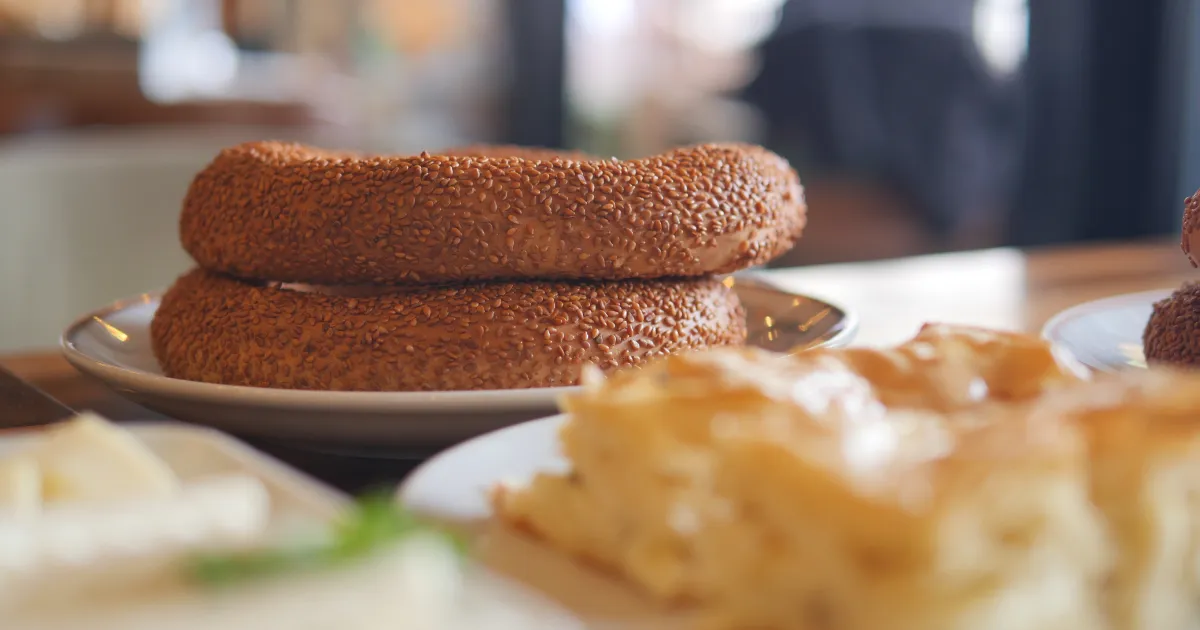
If you love Turkish cuisine, you’ve likely encountered the irresistible aroma of simit bread, a golden, sesame-crusted ring sold on nearly every street corner in Turkey. But what if you don’t have pekmez (grape molasses), the traditional ingredient used to coat the dough before baking? Don’t worry, this simit bread recipe no molasses version delivers the same crisp texture and deep flavor without using molasses at all.
This guide will walk you through every detail: from the dough preparation to the golden sesame crust, along with tips, alternatives, and expert baking insights. Whether you’re a beginner baker or a food enthusiast seeking to recreate the authentic taste of Istanbul at home, this step-by-step tutorial ensures perfect results, no molasses required.
What Is Simit Bread?
Simit bread, sometimes called the “Turkish bagel,” is a circular bread encrusted with sesame seeds. Unlike bagels, simit is crispier, lighter, and more aromatic. It’s an everyday staple in Turkey, enjoyed at breakfast with tea, cheese, and olives or as a quick street snack.
Traditionally, simit gets its distinct caramelized color and flavor from a molasses-water dip before baking. However, not everyone has molasses on hand, and some prefer to avoid it. The good news? You can still achieve that perfect golden crust and flavor using substitutes and careful baking techniques.
Why Make Simit Bread Without Molasses?
Before diving into the simit bread recipe no molasses, let’s understand why you might skip pekmez:
Accessibility
Molasses isn’t available in every kitchen or country.
Flavor control
Some find molasses too sweet or overpowering.
Health choice
Avoiding added sugar or refined syrups.
Experimentation
Exploring alternative methods for a lighter or more savory crust.
This version keeps the spirit of Turkish simit intact, chewy inside, crunchy outside, and beautifully aromatic , without compromising authenticity.
Ingredients You’ll Need
Here’s a detailed list of ingredients for about 8 medium-sized simit rings.
For the Dough:
4 cups (500 g) all-purpose flour
1 cup (240 ml) warm water
1/2 cup (120 ml) warm milk
2 tsp instant yeast
2 tsp sugar
1 ½ tsp salt
2 tbsp olive oil
For the Coating (Molasses-Free):
1/4 cup (60 ml) water
2 tsp honey or date syrup (natural molasses alternative)
1 ½ cups toasted sesame seeds
This honey-water mixture perfectly mimics the caramelized coating of traditional pekmez.
Step-by-Step Simit Bread Recipe Without Molasses
1. Activate the Yeast
In a small bowl, mix warm water, milk, sugar, and yeast. Let it rest for 10 minutes until it becomes frothy. This step ensures your dough rises beautifully.
2. Mix the Dough
In a large mixing bowl, combine flour and salt. Add the yeast mixture and olive oil, then knead for 8–10 minutes until the dough becomes smooth and elastic.
You can use a stand mixer or your hands. The goal is a soft but slightly firm dough that holds shape.
3. First Rise
Cover the dough with a damp cloth or plastic wrap. Let it rise in a warm place for about 1 hour, or until doubled in size.
4. Divide and Shape
Once the dough has risen, punch it down to release air. Divide into 8 equal portions. Roll each portion into a long rope about 20 inches (50 cm) long.
Twist two ropes together, then join the ends to form a ring, the signature simit shape.
5. Prepare the Coating (No Molasses Version)
In a bowl, mix warm water with honey until dissolved. Spread the sesame seeds in a shallow plate. Dip each dough ring into the honey-water mixture, ensuring full coverage, then roll it generously in sesame seeds.
6. Second Rise
Place the coated rings on parchment-lined baking trays. Cover lightly and let them rest for 20–25 minutes for the second rise.
7. Bake to Perfection
Preheat your oven to 425°F (220°C). Bake for 15–18 minutes or until the simit turns golden brown and crisp.
For extra crunch, you can bake on a preheated pizza stone or steel plate.
Tips for Perfect Simit Bread Without Molasses
Use toasted sesame seeds: They add depth and nutty flavor, enhancing the crust.
Control hydration: If the dough feels too sticky, add 1 tbsp flour at a time.
Baking surface: Baking directly on a hot stone or steel improves texture.
Add steam: Place a pan of hot water on the lower oven rack for the first 5 minutes to create a crusty exterior.
Rest before eating: Allow the simit to cool slightly to maintain the crunch.
Honey vs. Molasses The Flavor Difference
Molasses has a dark, intense, slightly bitter-sweet flavor, while honey is lighter and floral. In this simit bread recipe no molasses, honey provides the perfect caramelization substitute.
If you prefer a deeper tone, use date syrup, maple syrup, or pomegranate molasses each adds a unique twist without losing authenticity.
Common Substitutes for Molasses in Simit Bread
Here are several molasses-free alternatives you can use:
| Substitute | Flavor Profile | Ratio to Molasses |
|---|---|---|
| Honey | Mildly sweet | 1:1 |
| Maple syrup | Earthy and woody | 1:1 |
| Date syrup | Deep, caramel-like | 1:1 |
| Brown sugar + water | Balanced sweetness | 2 tbsp sugar + 2 tbsp water |
| Pomegranate molasses | Tangy, fruity | 1:2 |
These options give you flexibility depending on availability and personal preference.
Texture and Flavor What to Expect
Even without molasses, the simit retains its signature characteristics:
Golden-brown exterior
Crunchy crust
Soft, chewy interior
Aromatic sesame finish
The honey glaze enhances browning and creates a subtle sweetness that perfectly complements tea, cheese, or yogurt dips.
Variations of Simit Bread
1. Whole Wheat Simit
Replace half the flour with whole wheat flour for a heartier version. Add an extra tablespoon of olive oil to balance the density.
2. Mini Simit Bites
Shape smaller rings perfect for snacks or appetizers. Reduce baking time to 10–12 minutes.
3. Stuffed Simit
Fill the ropes with cheese or olives before twisting. It adds a delightful surprise inside each bite.
4. Gluten-Free Simit
Use a gluten-free flour blend and increase kneading time slightly for better elasticity.
Pairing Suggestions for Simit Bread
Simit pairs beautifully with both savory and sweet accompaniments.
Traditional Turkish breakfasts often include:
Feta or white cheese
Black olives
Fresh tomatoes and cucumbers
Turkish tea (çay)
For a sweet touch, serve with honey, jam, or Nutella. The crisp sesame crust and chewy interior make simit versatile for any meal.
Storage and Reheating
To keep your simit fresh:
Room temperature
Store in an airtight container for up to 2 days.
Freezer
Freeze for up to 2 months. Thaw and reheat in the oven at 350°F (175°C) for 5 minutes.
Avoid microwaving
It softens the crust and ruins the texture.
Nutritional Information (Per Serving)
| Nutrient | Amount |
|---|---|
| Calories | ~250 kcal |
| Carbohydrates | 40g |
| Protein | 7g |
| Fat | 7g |
| Fiber | 2g |
This makes simit a balanced, energy-boosting snack that’s lighter than traditional bread but just as satisfying.
The Cultural Significance of Simit
Simit isn’t just bread it’s a cultural symbol. In Turkey, simit vendors (called simitçi) are found in every corner, selling fresh rings stacked on carts or trays. It represents community, warmth, and simplicity a humble yet cherished street food connecting people from all walks of life.
When you make this simit bread recipe no molasses at home, you’re recreating a piece of Turkish tradition in your kitchen.
Expert Baking Tips for Authentic Texture
Cold fermentation: For richer flavor, refrigerate the dough overnight before shaping.
Use bread flour: It adds more gluten strength for a chewy interior.
Double coating: Dip twice in honey-water for extra shine and crunch.
Roast sesame seeds beforehand: Enhances the nutty aroma significantly.
Troubleshooting Common Mistakes
Problem: Simit too hard
Solution: Reduce baking time or increase hydration slightly.
Problem: Not golden enough
Solution: Brush lightly with an egg wash (optional) or increase oven temperature by 10°C in the last 3 minutes.
Problem: Dough doesn’t rise
Solution: Check yeast freshness and ensure warm resting conditions (around 80°F / 27°C).
Alternative Flavors and Toppings
While sesame seeds are traditional, you can experiment with:
Nigella seeds (black cumin) for an aromatic twist.
Sunflower seeds for crunch.
Mixed seeds for a modern, wholesome texture.
Each version adds a unique touch while maintaining the spirit of simit bread recipe no molasses.
How to Serve Simit Bread
Traditionally, simit is served:
Plain, with Turkish tea.
With cheese and sliced tomatoes.
As a sandwich base, filled with egg, cucumber, or hummus.
Its neutral yet nutty flavor profile complements both savory and sweet dishes effortlessly.
Conclusion
Recreating authentic Turkish simit bread recipe no molasses is surprisingly simple, rewarding, and versatile. The key lies in achieving the right balance of chewy dough and crisp sesame coating.
By using honey or natural sweeteners, you can easily replace pekmez without losing the bread’s golden charm or taste. Every bite offers the aroma of sesame and the comforting warmth of freshly baked bread just like walking the streets of Istanbul.
Whether you’re making it for breakfast, as a snack, or to share with loved ones, simit bread made without molasses still delivers a truly authentic Turkish experience.
FAQs
Can I make simit bread without yeast?
Yes, you can make simit bread without yeast, though the texture and flavor will differ from the traditional version. Yeast gives simit its signature airy and chewy crumb, while baking powder or soda results in a denser, more biscuit-like bread. If you prefer a quicker version of the simit bread recipe no molasses, you can replace yeast with 2 teaspoons of baking powder and skip the fermentation stage.
However, the crust will still turn beautifully golden when dipped in the honey-water mixture, and the sesame flavor will remain rich and satisfying. Keep in mind that yeast-based simit has a deeper aroma and elasticity that’s hard to replicate perfectly without fermentation.
What can I use instead of sesame seeds?
If you’re out of sesame seeds or simply want to try something different, there are several flavorful alternatives you can use. Chia seeds, flaxseeds, or poppy seeds make excellent coatings, offering a distinct texture and visual appeal. Each adds its own nutritional value , chia brings omega-3s, while flax offers a nutty flavor. For a more rustic touch, you can combine seeds or even use finely chopped nuts like almonds or walnuts.
Regardless of your choice, make sure to lightly toast them before coating the dough to enhance aroma and crunch. These options will keep your simit bread recipe no molasses unique, delicious, and creative while staying close to the original inspiration.
Why is my simit not golden brown?
If your simit turns out pale rather than the signature deep golden brown, it’s often due to oven temperature, coating consistency, or baking time. Traditional recipes rely on molasses for that caramelized color, but in this simit bread recipe no molasses, the honey-water mixture plays the same role.
Ensure the ratio of honey to water is correct about 2 teaspoons of honey to ¼ cup of warm water and that the simit is fully coated before adding sesame seeds. Additionally, bake at a high temperature (around 425°F or 220°C) and consider preheating your tray or stone for extra heat transfer. A final 2–3 minutes under broil can also help achieve that glossy, golden-brown finish that’s visually irresistible.
Can I make simit in an air fryer?
Yes, the air fryer is an excellent tool for baking simit bread recipe no molasses, especially when you want a quicker and cleaner process. Set your air fryer to 375°F (190°C) and bake each batch for 12–15 minutes. The circulating air helps create a crisp outer crust while keeping the inside soft and chewy, similar to traditional oven-baked simit.
To ensure even browning, brush the shaped dough lightly with oil before air frying. You can also preheat the air fryer for a few minutes to maintain consistent heat. Though the air fryer batches are smaller, the results are equally satisfying crunchy, aromatic, and perfectly golden without any molasses.
Is simit bread healthy?
Yes, simit bread is generally considered a healthy choice when eaten in moderation. It’s made from wholesome, simple ingredients flour, water, yeast, and sesame seeds without unnecessary additives. The sesame coating adds beneficial fats, fiber, and protein, while the honey glaze used in the simit bread recipe no molasses provides a touch of natural sweetness without refined sugar.
Each ring is filling yet light, making it a balanced snack or breakfast item. For an even healthier twist, you can use whole wheat flour or replace honey with date syrup. When paired with tea, cheese, or vegetables, simit becomes a nutritious and satisfying part of a Mediterranean-style diet.