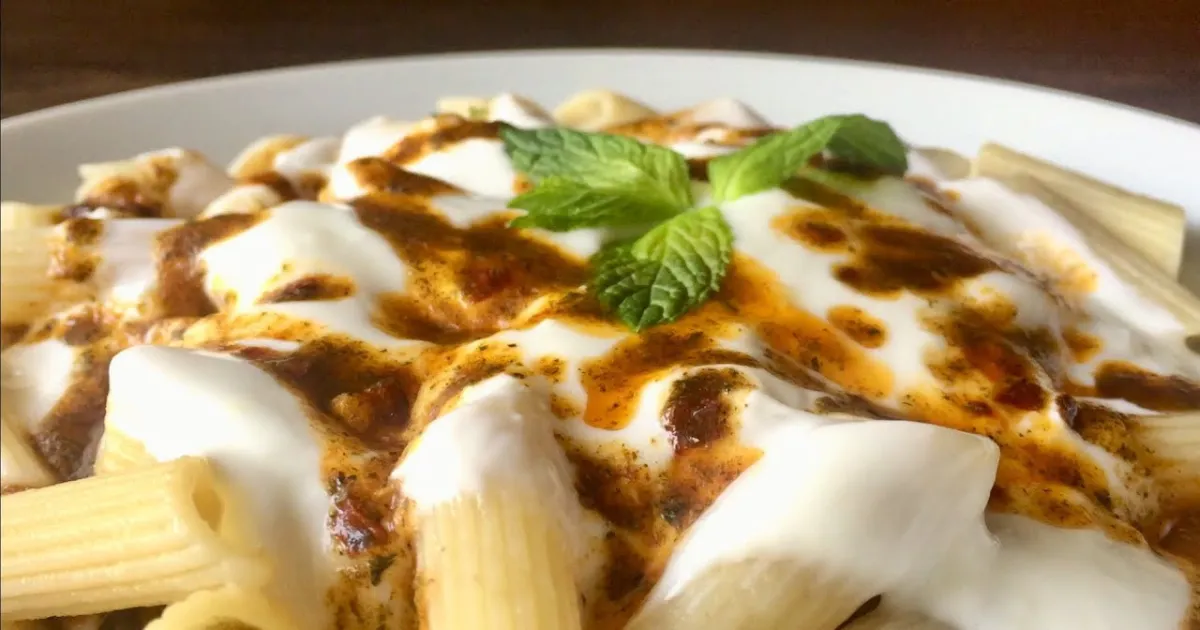
If you’ve ever dreamed of tasting the cozy, home-style comfort of Turkish cuisine, Turkish pasta with yogurt—locally known as Yoğurtlu Makarna—is a dish you’ll fall in love with instantly. This creamy, tangy, and savory meal combines simple ingredients into a delightful symphony of flavors that’s both nourishing and satisfying.
In this comprehensive guide, we’ll explore how to make Turkish pasta with yogurt step-by-step, from choosing the right pasta to perfecting the garlicky yogurt sauce and finishing it with an irresistible butter drizzle. Whether you’re a beginner cook or a food enthusiast seeking authentic Turkish recipes, this post will walk you through everything you need to know.
What Is Turkish Pasta with Yogurt?
Turkish pasta with yogurt is one of the simplest and most beloved comfort foods in Turkey. It’s often prepared in households when time is short but flavor is still a priority. The dish features tender pasta—often penne, spaghetti, or small Turkish noodles—topped with a velvety yogurt-garlic sauce and finished with a drizzle of sizzling butter infused with red pepper flakes or paprika.
The combination of creamy yogurt and aromatic butter creates an addictive balance of cool and warm, rich and tangy. In Turkey, this meal is not only a quick weekday favorite but also a symbol of the country’s deep appreciation for dairy, grains, and spices.
Ingredients You’ll Need
Before you start, make sure you have all the ingredients ready. This recipe doesn’t require fancy items, but using fresh, high-quality components will elevate the flavor dramatically.
Basic Ingredients:
-
300 g of pasta (penne, elbow, or Turkish noodles)
-
2 cups of plain Turkish yogurt (or Greek yogurt)
-
2 cloves of garlic, finely minced
-
2 tablespoons of butter
-
2 tablespoons of olive oil
-
1 teaspoon of red pepper flakes (or pul biber)
-
½ teaspoon of paprika
-
Salt to taste
-
Fresh parsley for garnish (optional)
Step-by-Step Instructions to Make Turkish Pasta with Yogurt
Let’s break down the process of preparing this delicious Turkish pasta with yogurt so you can master it easily.
Step 1: Boil the Pasta to Perfection
Start by bringing a large pot of salted water to a rolling boil. Add your pasta and cook according to package instructions—typically 8 to 10 minutes for al dente texture.
The key here is to avoid overcooking. Slightly firm pasta works better because it holds up well when mixed with the yogurt sauce. Once cooked, drain the pasta and reserve about half a cup of the pasta water. This starchy liquid can help thin the yogurt sauce later if needed.
Step 2: Prepare the Yogurt Sauce
In a large mixing bowl, combine the yogurt and minced garlic. Whisk until smooth and creamy. If your yogurt is too thick, you can add 1–2 tablespoons of warm water or milk to reach a silky consistency.
Season lightly with salt. Taste and adjust the garlic to your liking—some prefer it strong and pungent, while others go milder. The yogurt base should be cool, tangy, and aromatic before mixing it with the hot pasta.
Step 3: Make the Butter Drizzle
In a small pan, melt the butter with olive oil over medium heat. Once it starts to bubble, add red pepper flakes and paprika. Let it sizzle for 20–30 seconds until fragrant, but be careful not to burn the spices.
This spicy butter mixture is the heart of Turkish pasta with yogurt, bringing warmth and color that contrasts beautifully with the creamy yogurt.
Step 4: Combine Everything
Add the hot pasta to the yogurt mixture while stirring gently. The heat of the pasta will slightly warm the yogurt, making it even creamier without curdling it.
If the mixture feels too thick, add a few tablespoons of the reserved pasta water to loosen it. Once the pasta is well-coated, drizzle the spiced butter sauce on top and sprinkle with chopped parsley or mint if desired.
Tips for Perfect Turkish Pasta with Yogurt
-
Use full-fat yogurt for the best texture and taste. Low-fat yogurt can curdle or turn watery.
-
Always temper the yogurt slightly before mixing—adding a spoonful of hot pasta water to it can prevent curdling.
-
Don’t skip the garlic! It’s essential to the authentic Turkish flavor profile.
-
Use Turkish pul biber if available—it has a smoky, slightly sweet taste compared to regular chili flakes.
-
Serve immediately while the butter is still warm and the yogurt creamy.
Variations of Turkish Pasta with Yogurt
Like many traditional recipes, Turkish pasta with yogurt has countless regional and family variations. Here are some creative twists you can try:
1. Yogurt Pasta with Minced Meat
For a protein-rich version, sauté minced beef or lamb with onions and spices, then spoon it over the yogurt-coated pasta before adding the butter drizzle.
2. Vegetarian Turkish Pasta
Add sautéed vegetables like zucchini, spinach, or roasted eggplant for a colorful and healthy version.
3. Walnut-Garlic Pasta
Crushed walnuts add crunch and a nutty undertone that complements the tanginess of yogurt.
4. Mint and Yogurt Fusion
Add dried or fresh mint to the yogurt mixture for a refreshing herbal note that’s especially popular in Anatolia.
Nutritional Benefits
Turkish pasta with yogurt isn’t just comforting—it’s also nutritious. Yogurt provides probiotics that support digestion and immunity, while the pasta offers carbohydrates for energy. The addition of olive oil and butter delivers healthy fats that keep you satisfied.
A balanced serving (about 300 grams) typically contains:
-
Calories: ~400–500 kcal
-
Protein: 12–15 g
-
Fat: 15–20 g
-
Carbohydrates: 55–60 g
It’s a wholesome meal ideal for lunch or dinner, and it can be easily paired with a light salad for added freshness.
The Cultural Significance of Turkish Pasta with Yogurt
In Turkey, yogurt isn’t just a side dish—it’s a cultural treasure. It accompanies almost every meal, from breakfast spreads to soups and desserts. The combination of pasta and yogurt reflects the Turkish tradition of balancing simple ingredients into harmonious meals.
Historically, this dish was popular among rural families who relied on locally made yogurt and homemade noodles. Over time, it became a national comfort food enjoyed by everyone—from students in dorms to families at home.
Common Mistakes to Avoid
Even a simple dish like Turkish pasta with yogurt can go wrong if you overlook a few details. Here are common mistakes and how to avoid them:
-
Using cold yogurt directly from the fridge: Always bring yogurt to room temperature before mixing it with hot pasta to prevent curdling.
-
Overcooking pasta: Mushy pasta won’t hold up under creamy sauce.
-
Burning the butter: Cook the red pepper butter only until it foams and turns aromatic—burnt butter can taste bitter.
-
Skipping garlic: Without garlic, the dish loses its traditional kick.
Serving Suggestions
Turkish pasta with yogurt pairs wonderfully with many Turkish side dishes. Try serving it with:
-
Çoban salad (Shepherd’s salad): A mix of tomatoes, cucumbers, onions, and olive oil.
-
Sigara böreği: Crispy cheese-filled pastries.
-
Grilled vegetables or kebabs: To balance the creamy texture with smoky flavors.
-
Ayran: A refreshing yogurt drink that complements the meal beautifully.
You can also sprinkle a touch of sumac or drizzle extra virgin olive oil for a Mediterranean twist.
Why You’ll Love This Dish
-
It’s quick and easy—ready in under 20 minutes.
-
It uses simple, budget-friendly ingredients.
-
It’s nutrient-rich and satisfying without being heavy.
-
It captures the authentic taste of Turkish home cooking.
The first bite of Turkish pasta with yogurt delivers a unique blend of creamy, garlicky, and buttery notes that leave a lasting impression. It’s the kind of comfort food that brings warmth to your table and soul.
Storing and Reheating
Although best enjoyed fresh, Turkish pasta with yogurt can be stored in an airtight container in the fridge for up to 2 days. To reheat:
-
Add a few tablespoons of milk or water to loosen the sauce.
-
Warm it gently over low heat or in a microwave.
-
Avoid overheating, as yogurt can separate.
If you plan to store it, keep the butter sauce separate and drizzle it just before serving for the best texture.
Conclusion
Turkish pasta with yogurt is more than just a quick meal—it’s a celebration of Turkish simplicity and balance. Every spoonful reflects the harmony between creamy yogurt, fragrant garlic, warm butter, and the satisfying chew of pasta.
Whether you’re cooking for yourself or hosting guests, this dish stands out for its comforting flavor and cultural depth. Once you try it, it will likely become a regular feature in your kitchen. So the next time you crave something hearty yet light, skip the heavy cream sauces and reach for this authentic Turkish delight.
FAQs
Can I use Greek yogurt instead of Turkish yogurt?
Yes! Greek yogurt is an excellent substitute for Turkish yogurt when making Turkish pasta with yogurt. The texture and flavor are quite similar—both are thick, creamy, and slightly tangy.
However, Greek yogurt tends to be a little denser due to the extra straining process it undergoes, which removes more whey. To make it blend more smoothly with the pasta, you can simply add a tablespoon or two of warm water or milk and whisk it well until it becomes silky.
While Turkish yogurt has a slightly milder taste, Greek yogurt brings a stronger tang that complements the garlic and butter sauce beautifully. If you enjoy a richer, more pronounced yogurt flavor, Greek yogurt will serve you well. The key is to use full-fat yogurt since low-fat versions may curdle or separate when mixed with warm pasta. In essence, Greek yogurt can replicate the authentic experience of Yoğurtlu Makarna while being easier to find in most supermarkets.
What pasta works best for Turkish pasta with yogurt?
In traditional Turkish kitchens, the type of pasta used often depends on what’s available, but shorter varieties are preferred. Penne, elbow macaroni, fusilli, or even small Turkish noodles like erişte are perfect choices. These shapes hold onto the yogurt sauce better, allowing every bite to be coated in creamy goodness.
The ridges and curves of shorter pasta capture the tangy yogurt and spicy butter more effectively than long, smooth varieties like spaghetti.
That said, Turkish pasta with yogurt is a flexible dish, so you can use whatever pasta you have at home. Spaghetti or linguine can still work well, though it’s best to slightly undercook them to retain firmness when mixed with yogurt.
Homemade egg noodles, which are common in rural Turkish homes, offer a rustic and chewy texture that makes the dish feel heartier and more traditional. The most important rule is to avoid overcooking—al dente pasta keeps the dish light, flavorful, and satisfying.
How can I make it vegan?
Making a vegan version of Turkish pasta with yogurt is simple and surprisingly delicious. Instead of dairy-based yogurt, use a plant-based alternative such as almond, coconut, or soy yogurt. Choose an unsweetened and plain variety to mimic the tanginess of traditional Turkish yogurt.
For the butter drizzle, replace the butter with olive oil or vegan butter to maintain that warm, aromatic topping infused with red pepper flakes or paprika.
To enhance the flavor and texture, you can also add a pinch of nutritional yeast to the vegan yogurt mixture—it provides a subtle, cheesy note that complements the dish well. Some cooks even blend in a little lemon juice to balance the natural sweetness of plant-based yogurts.
The result is a satisfying, dairy-free version of Turkish pasta with yogurt that’s just as comforting, creamy, and nourishing. It’s a perfect way to enjoy a taste of Turkish cuisine while staying true to a vegan lifestyle.
Is Turkish pasta with yogurt eaten hot or cold?
Traditionally, Turkish pasta with yogurt is served warm, not hot or cold. The beauty of this dish lies in the harmony between the temperatures of its components. The pasta is boiled and slightly cooled before being mixed with yogurt that’s at room temperature, while the spicy butter is poured over it hot.
This creates a unique layering of warm and cool sensations in every bite—an experience that’s both refreshing and comforting.
However, in the summer months, many people in Turkey enjoy this dish chilled. After mixing the pasta with yogurt, they let it cool completely in the refrigerator, serving it as a light, refreshing meal on hot days. When served cold, it’s especially popular as part of meze spreads or picnics.
Whether you choose the traditional warm style or the summery cold version, both methods highlight the creamy tang of yogurt and the subtle heat of spiced butter beautifully.
What can I serve with this pasta?
Turkish pasta with yogurt is incredibly versatile and pairs beautifully with many side dishes from Turkish and Mediterranean cuisine. For a complete meal, you can serve it alongside a fresh salad such as Çoban salatası (Shepherd’s salad), made with tomatoes, cucumbers, and olive oil.
The crispness of the salad contrasts wonderfully with the creaminess of the pasta. Grilled vegetables or kebabs also complement this dish, adding smoky depth and a savory balance to the tangy yogurt.
If you want a traditional Turkish touch, accompany it with ayran, a cold yogurt-based drink made with water and a pinch of salt. This pairing might sound redundant, but in Turkish culture, yogurt-based dishes are often enjoyed with yogurt drinks—it enhances the cooling effect and aids digestion.
Alternatively, serve the pasta with warm Turkish bread or pide to soak up the remaining butter sauce. The combination creates a wholesome, satisfying meal that celebrates the essence of Turkish home cooking.