If you have ever dipped a piece of warm pita bread into a creamy, smooth bowl of hummus, you already know how good it feels. But have you ever wondered exactly what hummus is made of and why it tastes so different from anything else?
At Istanbul Grill Restaurant, we have been serving authentic hummus to American customers for years. It is one of our most popular dishes, and people always ask us what makes it so creamy and delicious. Today, we are sharing everything you need to know about this incredible Middle Eastern staple.
What is Hummus?
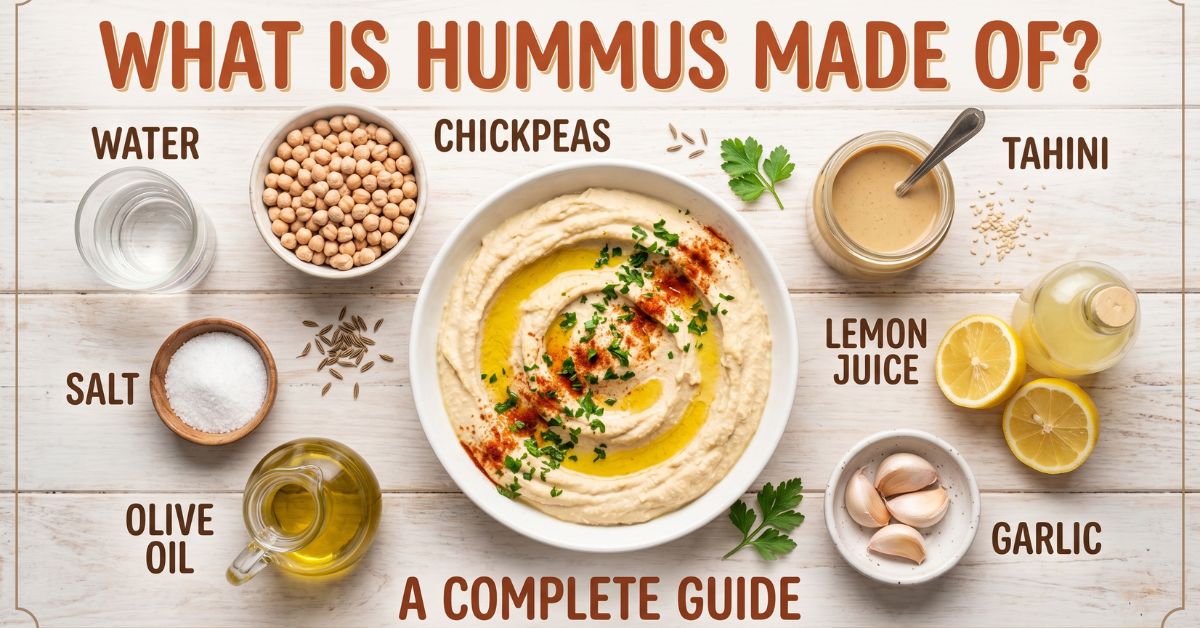
Hummus is a smooth, creamy dip or spread made from cooked chickpeas blended with tahini, lemon juice, garlic, olive oil, and salt. According to Britannica, the word hummus actually comes from the Arabic word for chickpea, making the name literally mean “chickpeas with tahini.”
It originated in the Middle East and has been a daily food staple in countries like Lebanon, Turkey, Israel, and Syria for hundreds of years. Today, hummus is enjoyed all over America and is one of the fastest-growing food categories in the United States.
At Istanbul Grill Restaurant, we make our hummus fresh every single day using traditional methods passed down through generations. The result is a dip that tastes nothing like the cold, flat versions you find in plastic containers at the grocery store. If you want to experience our full spread of authentic dishes, check out our Turkish food menu to see everything we serve.
What is Hummus Made Of? Every Ingredient Explained
Hummus has very few ingredients, but each one plays an important role. Here is exactly what goes into authentic hummus and why each ingredient matters.
1. Chickpeas (The Star Ingredient)
Chickpeas, also called garbanzo beans, are the foundation of hummus. They give the dip its creamy texture, nutty flavor, and most of its nutrition.
You can use either canned or dried chickpeas. Dried chickpeas soaked overnight and cooked fresh produce a slightly better flavor and creamier texture. Canned chickpeas work well too and save a lot of time.
The key secret that most recipes do not mention: cook your chickpeas until they are very soft, much softer than you would cook them for a salad. Overcooked chickpeas blend into silk. Undercooked chickpeas produce grainy, lumpy hummus.
2. Tahini (The Secret to Creaminess)
Tahini is a paste made from ground sesame seeds. It looks similar to peanut butter but has a nutty, slightly bitter flavor that gives hummus its distinctive richness.
Good quality tahini makes a huge difference. Look for tahini made from roasted sesame seeds with a smooth, pourable consistency. Always stir the jar well before using because the oil separates during storage.
According to WebMD, tahini is packed with healthy fats, protein, and important minerals like iron and copper, making it one of the most nutritious ingredients in hummus.
3. Fresh Lemon Juice
Fresh lemon juice brightens all the flavors and gives hummus its signature tangy taste. Never use bottled lemon juice. The flavor difference is enormous. Fresh lemon juice is bright and vibrant while bottled tastes flat and artificial.
The lemon juice also helps preserve the hummus naturally, giving it a slightly longer fridge life.
4. Garlic
Raw garlic adds a sharp, pungent flavor that balances the richness of the tahini and chickpeas. Some recipes use roasted garlic instead for a sweeter, milder taste.
At Istanbul Grill Restaurant, we use just the right amount of fresh garlic so the flavor is present but never overpowering. Too much garlic can make hummus harsh and unpleasant.
5. Extra Virgin Olive Oil
Olive oil adds richness, smoothness, and a beautiful fruity flavor to hummus. Some olive oil goes into the blending process, and more is drizzled generously on top when serving.
Use the best olive oil you have. The olive oil you drizzle on top is the first thing your tongue tastes, so it matters.
6. Salt
Salt ties all the flavors together. Without enough salt, hummus tastes flat and bland. The right amount of salt makes every other ingredient taste more like itself.
Optional Ingredients
Many cooks add extras to enhance or customize their hummus:
- Cumin – Adds warm, earthy depth
- Ice cold water – Makes the texture lighter and fluffier
- Paprika – Adds color and mild smoky flavor
- Fresh parsley – Adds color and freshness on top
Nutritional Value of Hummus
Hummus is not just delicious. It is also genuinely nutritious. Here is the complete nutritional breakdown per 2-tablespoon serving based on data from USDA FoodData Central:
[NUTRITION VISUAL TABLE HERE]
As you can see, hummus delivers a solid mix of protein, healthy fats, and fiber in a relatively small calorie count. This is why nutritionists and dietitians regularly recommend it as one of the healthiest dips available.
Health Benefits of Hummus
Beyond the nutrition numbers, hummus provides real health benefits when eaten regularly as part of a balanced diet.
Good for Your Heart
The olive oil in hummus contains oleocanthal, a compound with powerful anti-inflammatory properties. The chickpeas also contain fiber that helps reduce bad cholesterol levels, supporting overall heart health.
Helps Control Blood Sugar
Chickpeas have a low glycemic index, meaning they release sugar slowly into your bloodstream. This prevents the spikes and crashes in blood sugar that come from eating high-glycemic foods. People with diabetes or those watching their blood sugar often find hummus a safe and satisfying snack.
Supports Digestive Health
The fiber in chickpeas feeds the beneficial bacteria in your gut, supporting a healthy microbiome. Regular fiber consumption also prevents constipation and supports regular digestion.
Rich in Plant-Based Protein
For vegetarians and vegans, hummus is an excellent source of plant-based protein. The combination of chickpeas and tahini provides a good range of amino acids that your body needs.
Naturally Gluten-Free and Vegan
Traditional hummus contains no gluten and no animal products, making it suitable for people following gluten-free, vegetarian, or vegan diets.
Is Hummus Halal?
This is one of the most common questions we get at Istanbul Grill Restaurant, especially from our Muslim customers. The answer is yes. Traditional hummus made with chickpeas, tahini, lemon juice, garlic, and olive oil is completely halal. None of these ingredients are forbidden in Islamic dietary law.
However, when you order hummus at a restaurant, it is always good to check whether the restaurant serves certified halal food overall. At Istanbul Grill, all our food including our hummus is prepared in a fully halal kitchen. If you want to understand more about what makes food halal, we have a detailed guide on what is the difference between halal meat and regular meat that explains everything clearly.
Many of our customers also ask about specific proteins they pair with hummus. For example, if you are ordering our hummus with grilled chicken on top, you might wonder about the meat itself. We have covered this in our complete guide on is chicken halal in Islam which answers all the common questions our customers ask.
Different Types of Hummus
Once you understand the classic version, you can explore many delicious variations.
- Classic Hummus – The traditional version with chickpeas, tahini, lemon, garlic, and olive oil. This is what we serve at Istanbul Grill Restaurant and what most people think of when they hear the word hummus.
- Roasted Red Pepper Hummus – Adds fire-roasted red peppers for a sweet, smoky flavor and beautiful orange-red color. One of the most popular variations in America.
- Roasted Garlic Hummus – Uses a whole head of garlic roasted in the oven instead of raw garlic. The roasting process transforms garlic from sharp and pungent to sweet and mellow.
- Beet Hummus – Adds cooked beets for a stunning deep pink color and slightly earthy, sweet flavor. This version is very popular at brunch spots across the USA.
- Spicy Hummus – Adds jalapeño, cayenne, or harissa paste for heat lovers who want a kick with their dip.
- Black Bean Hummus – Replaces chickpeas with black beans for a different flavor profile and deeper color. Popular in Tex-Mex influenced cooking.
How to Eat Hummus the Right Way
At Istanbul Grill Restaurant, we encourage our American customers to try hummus the traditional Mediterranean way, not just as a dip for carrot sticks.
With Warm Pita Bread
This is the classic pairing. Tear a piece of warm, soft pita bread and use it to scoop up a generous amount of hummus. The warmth of the bread softens the hummus slightly and the combination of textures is perfect.
As Part of a Mezze Spread
In Turkish and Lebanese culture, hummus is served alongside many small dishes called mezze. At Istanbul Grill Restaurant, our mezze platter includes hummus alongside baba ganoush, tabbouleh, olives, and warm pita bread. You can see our full mezze and appetizer selections on our Istanbul Grill menu. This is how hummus is meant to be enjoyed, as part of a shared table experience.
As a Sandwich Spread
Replace mayonnaise with hummus in your next sandwich or wrap. It adds creaminess, protein, and flavor without the saturated fat of mayo. Especially good with grilled chicken, roasted vegetables, or falafel.
With Grilled Meats
This is our favorite way to serve hummus at Istanbul Grill Restaurant. A generous scoop of warm hummus underneath grilled lamb, beef, or chicken creates a complete, satisfying meal. The creamy hummus balances the char and richness of grilled meat perfectly. As one of the best traditional Turkish food restaurants serving famous halal dishes, we take great pride in pairing our hummus with perfectly grilled halal meats that our customers love.
As a Healthy Snack
Hummus with fresh vegetables like cucumber, carrot sticks, and bell pepper strips makes one of the most nutritious and satisfying snacks you can eat. High in protein and fiber, it keeps you full much longer than chips and other processed snacks.
How to Store Hummus
Store hummus in an airtight container in the refrigerator. Homemade hummus stays fresh for 4 to 5 days. Store-bought hummus should be consumed by the date on the package once opened.
Before serving refrigerated hummus, let it sit at room temperature for 10 to 15 minutes. Cold hummus tastes flat because cold temperatures mute flavors. Room temperature hummus tastes noticeably better and has a smoother, creamier texture.
Drizzle fresh olive oil on top just before serving to refresh the appearance and add flavor.
You can freeze hummus for up to 4 months. Thaw overnight in the refrigerator and stir well before serving. The texture may be slightly different after freezing, but the flavor remains good.
Experience Authentic Hummus at Istanbul Grill Restaurant
At Istanbul Grill Restaurant, our hummus is made fresh every day using traditional methods. We use the finest chickpeas, quality tahini, fresh lemon juice, and premium olive oil to create a hummus that our American customers describe as the best they have ever tasted.
We serve our hummus warm, topped with a generous drizzle of extra virgin olive oil, a sprinkle of paprika, and fresh parsley. It comes with warm pita bread and can be ordered as a starter, as part of our mezze platter, or as a base for our signature hummus bowls with grilled halal meat on top. Browse our complete Turkish food menu to plan your visit and see everything we have to offer.
Visit Istanbul Grill Restaurant and discover why authentic, freshly made hummus is one of the greatest foods the Mediterranean has ever given the world.
What is hummus made of?
Hummus is made of cooked chickpeas (garbanzo beans), tahini (sesame paste), fresh lemon juice, garlic, olive oil, and salt. These six simple ingredients are blended together until smooth and creamy. Optional additions include cumin, paprika, and fresh parsley for garnish.
Is hummus healthy?
Yes, hummus is genuinely healthy. It is rich in plant-based protein, dietary fiber, healthy fats from olive oil and tahini, and essential minerals including iron, folate, and potassium. A 2-tablespoon serving contains only 71 calories while providing real nutritional value. It supports heart health, digestion, and blood sugar control.
Is hummus vegan and gluten-free?
Traditional hummus is naturally both vegan and gluten-free. All the main ingredients (chickpeas, tahini, lemon juice, garlic, olive oil, and salt) contain no animal products and no gluten. Always check the label on store-bought versions as some brands add ingredients that may contain gluten or dairy.
What does hummus taste like?
Hummus tastes creamy, savory, and slightly tangy from the lemon juice, with a nutty richness from the tahini and a mild garlic flavor in the background. The olive oil adds fruitiness. Together these flavors create something earthy, satisfying, and deeply comforting that is unlike any other dip.
Can I make hummus without tahini?
You can, but it will not taste like traditional hummus. Tahini is what gives hummus its signature creamy texture and nutty flavor. Without it, you get blended chickpeas, which taste completely different. If you have a sesame allergy, you can substitute sunflower seed butter or extra olive oil, but expect a different result.
Is hummus halal?
Yes, traditional hummus is completely halal. All its ingredients including chickpeas, tahini, lemon juice, garlic, and olive oil are permissible in Islamic dietary law. At Istanbul Grill Restaurant, our hummus is prepared in a fully halal certified kitchen. To learn more about halal food standards, read our full guide on halal meat vs regular meat.
How long does hummus last?
Homemade hummus lasts 4 to 5 days in an airtight container in the refrigerator. Store-bought hummus lasts until the printed date when unopened, and typically 7 to 10 days after opening if refrigerated properly. Frozen hummus lasts up to 4 months.