When people think of comfort food, they often picture heavy, indulgent dishes that leave you feeling sluggish. But what if comfort could be both nourishing and delicious? What if you could enjoy meals that warm your soul while fueling your body with nutrients?
That’s the magic of Turkish comfort food.
At Istanbul Grill Restaurant, we’ve spent years perfecting the art of creating meals that satisfy cravings while supporting real health. The secret isn’t complicated—it’s about understanding the Turkish approach to building balanced, satisfying meals that naturally align with what nutrition experts recommend.
In 2026, comfort food is the #1 dining priority for Americans according to industry research. But comfort doesn’t have to mean unhealthy. Turkish cuisine proves that the most nourishing meals are the ones that feel like coming home.
Let’s explore how to build healthy Turkish comfort food meals that will become your new favorites.
Understanding the Turkish Meal Structure
Turkish cuisine isn’t built around huge single proteins with minimal vegetables on the side. Instead, it follows a multi-component approach where meals consist of several different elements working together.
A traditional Turkish meal typically includes:
- A Protein Component This might be grilled meat, fish, eggs, or legumes. The portion is moderate and prepared simply to let quality shine. At Istanbul Grill, we source halal certified meat that’s been humanely raised, ensuring you’re getting superior nutrition.
- Multiple Vegetable Elements Fresh salads, roasted vegetables, olive oil-based vegetable dishes, or vegetable-packed soups appear in almost every meal. This isn’t a side dish—it’s central to the meal’s satisfaction and nutrition.
- A Grain or Legume Base Rice pilaf, bulgur, lentils, chickpeas, or whole grain bread provide sustained energy and fiber. These carbohydrates pair beautifully with proteins and vegetables, creating balanced nutrition.
- Healthy Fats Olive oil, nuts, seeds, and high-quality butter aren’t avoided—they’re celebrated. Turkish cooking understands that healthy fats make food taste better and keep you satisfied longer.
- Fresh Herbs and Aromatics Parsley, mint, dill, garlic, and lemon juice flavor meals without relying on heavy sauces or excessive salt.
This structure naturally creates balanced meals without requiring you to obsess over macronutrient ratios or count calories obsessively.
Building Your First Healthy Turkish Comfort Meal
Let’s construct an actual meal to show you how this works in practice.
Start with Your Protein
Choose one of these options based on your preference:
- Grilled chicken shish kebab
- Baked sea bass with lemon
- Lentil and chickpea soup (vegetarian protein)
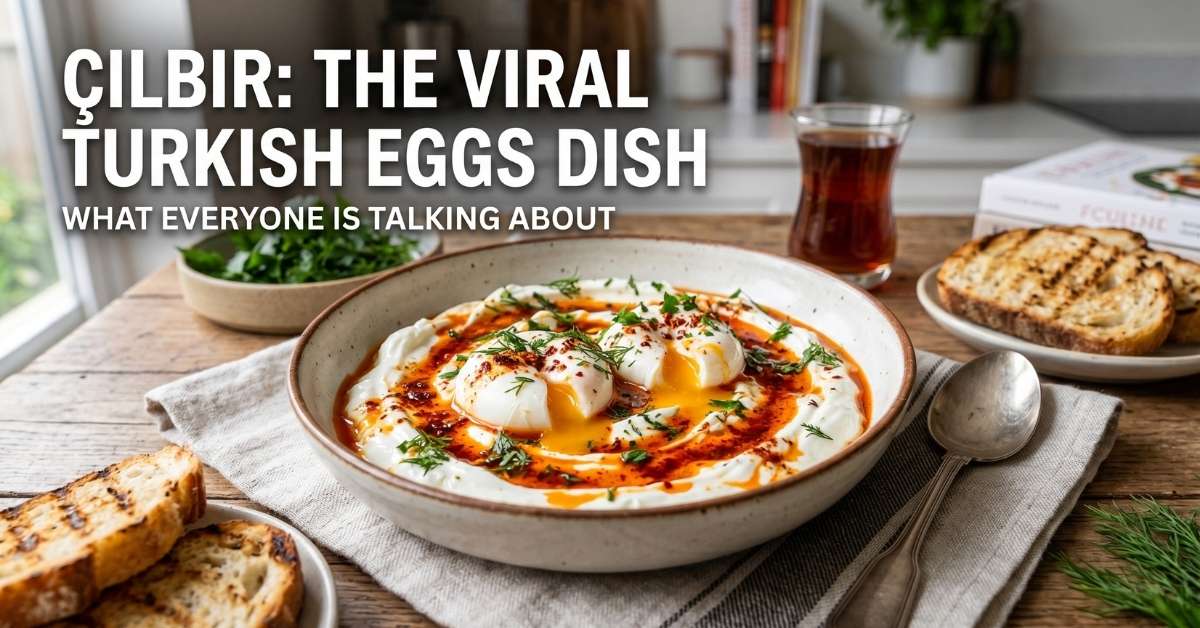
- Turkish eggs (çılbır) with yogurt and herbs
The portion should be roughly the size of your palm—substantial enough to feel satisfying without overwhelming the plate.
Cook the protein simply: grilled, baked, or gently simmered. Turkish cooking lets quality ingredients speak for themselves rather than drowning them in heavy sauces.
Add Roasted or Sautéed Vegetables
Choose 2-3 vegetables and prepare them simply:
- Eggplant (Imam Bayıldı): Roasted until tender and naturally sweet
- Zucchini and tomato: Sautéed in olive oil with garlic
- Spinach with garlic: Wilted and seasoned with lemon
- Bell peppers: Roasted with onions and herbs
- Green beans: Sautéed with tomatoes in olive oil
The goal is generous portions of colorful vegetables that make your plate look abundant and feel satisfying.
Include a Fresh Salad
Never skip the salad. Turkish meals include fresh, raw vegetables that provide nutrients, fiber, and brightness.
A simple çoban salatası (shepherd’s salad) requires just tomatoes, cucumbers, peppers, red onions, and parsley dressed with olive oil and lemon juice. No special ingredients needed.
Choose Your Grain or Legume
Select one from this list:
- Brown rice pilaf with herbs and almonds
- Bulgur pilaf with vegetables
- Whole grain bread
- Lentil-based side dish
- Chickpea-based dish
You’re not eating a huge portion—just enough to provide sustained energy and satisfy comfort food cravings.
Drizzle with Good Oil and Fresh Herbs
A finishing drizzle of quality olive oil, fresh herbs like parsley or mint, and a squeeze of lemon juice ties everything together beautifully.
That’s it. You’ve built a meal that’s nourishing, satisfying, delicious, and perfectly balanced.
Real Turkish Comfort Meal Examples
Let’s look at specific meals you can build today.
- The Mediterranean Bowl Grilled chicken breast + roasted eggplant and tomatoes + fresh tabbouleh salad + small serving of brown rice + sprinkle of pomegranate seeds. This meal delivers protein, vegetables, grains, healthy fats, and vibrant flavors. It feels abundant and leaves you genuinely satisfied.
- The Lentil Lover’s Special A bowl of silky red lentil soup (the kind that’s creamy without cream) + grilled fish + fresh salad + whole grain bread + drizzle of herbed olive oil. This combination provides plant-based protein, omega-3s from fish, fiber, and the comfort of warm soup.
- The Turkish Breakfast for Dinner Scrambled eggs with tomatoes and peppers (menemen) + fresh yogurt + sliced cheese + olives + cucumber and tomato slices + whole grain bread. Breakfast for dinner taps into pure comfort while delivering complete nutrition.
- The Vegetarian Victory Roasted chickpeas + grilled vegetables (zucchini, peppers, eggplant) + fresh salad + bulgur pilaf + tzatziki yogurt sauce
This proves you don’t need meat to build satisfying, nourishing meals.
The Psychology of Turkish Comfort Food
Why does Turkish food feel so comforting while being genuinely healthy?
Part of it is psychological. Meals served warm, with multiple components, and shared with others trigger deep comfort responses. We associate abundance and variety with feeling cared for.
But there’s also real nutrition at work. The combination of protein, vegetables, healthy fats, and whole grains creates sustained satisfaction. Your blood sugar stays stable, your hunger hormones stay balanced, and you feel genuinely nourished rather than just temporarily full.
Turkish cooking also respects seasonality and quality ingredients. A tomato dish tastes like summer. A warming soup feels like an embrace in winter. This connection to the seasons and to real food creates authentic comfort rather than artificial satisfaction.
Practical Tips for Building Healthy Turkish Comfort Meals
Prep Components Ahead
On weekends, grill a batch of chicken, roast several vegetables, cook a pot of grains, and chop fresh salad vegetables. During the week, assembly takes minutes.
Don’t Skip the Salad
It’s easy to think salad is optional, but it’s actually central to Turkish meals. It adds volume, nutrition, and brightness without adding calories.
Use Quality Olive Oil
Good olive oil makes vegetables taste incredible. It’s not a luxury—it’s an ingredient that makes healthy eating easier.
Embrace Yogurt and Herbs
Turkish meals frequently feature cooling yogurt and fresh herbs. These add flavor without excess calories or sodium.
Visit Istanbul Grill for Inspiration
Our hot and cold appetizers showcase the variety possible in Mediterranean eating. Browse our full menu to see how different components work together.
Remember the Bread
Turkish bread is simple and delicious. A piece or two complements your meal perfectly—you don’t need to eliminate it, just enjoy it mindfully.
Building Meals Your Family Will Love
Turkish comfort food is inherently family-friendly. Everyone can build their own plate from shared components, accommodating different preferences and dietary needs.
Kids often enjoy Turkish meals more than adult-only cuisines because:
- Familiar flavors but more interesting than typical American comfort food
- Customizable components allow picky eaters to skip items without feeling like they’re eating “healthy food”
- Abundant vegetables make nutrition feel natural rather than forced
- Shared meal culture means everyone eats together
Try making Turkish-inspired meals part of your weekly rotation. Start with something simple like simit bread with hummus and fresh vegetables, then gradually expand to more complex dishes.
Traditional Dishes That Check the Comfort Food Box
Several classic Turkish dishes deliver maximum comfort with genuine nutrition.
Red Lentil Soup (Mercimek Çorbası)
This is comfort in a bowl. Creamy lentils, warm spices, and satisfying depth make this a perfect weeknight meal. It’s filling, affordable, and loaded with plant-based protein and fiber.
Menemen (Turkish Scrambled Eggs)
Eggs, tomatoes, and peppers sautéed together create a scramble that’s more interesting than plain eggs but still breakfast-friendly. Pair with whole grain toast and you’ve got breakfast, lunch, or dinner.
Grilled Kebabs
Whether chicken shish kebab or lamb köfte, grilled meats with vegetables satisfy comfort food cravings while delivering lean protein and nutrients.
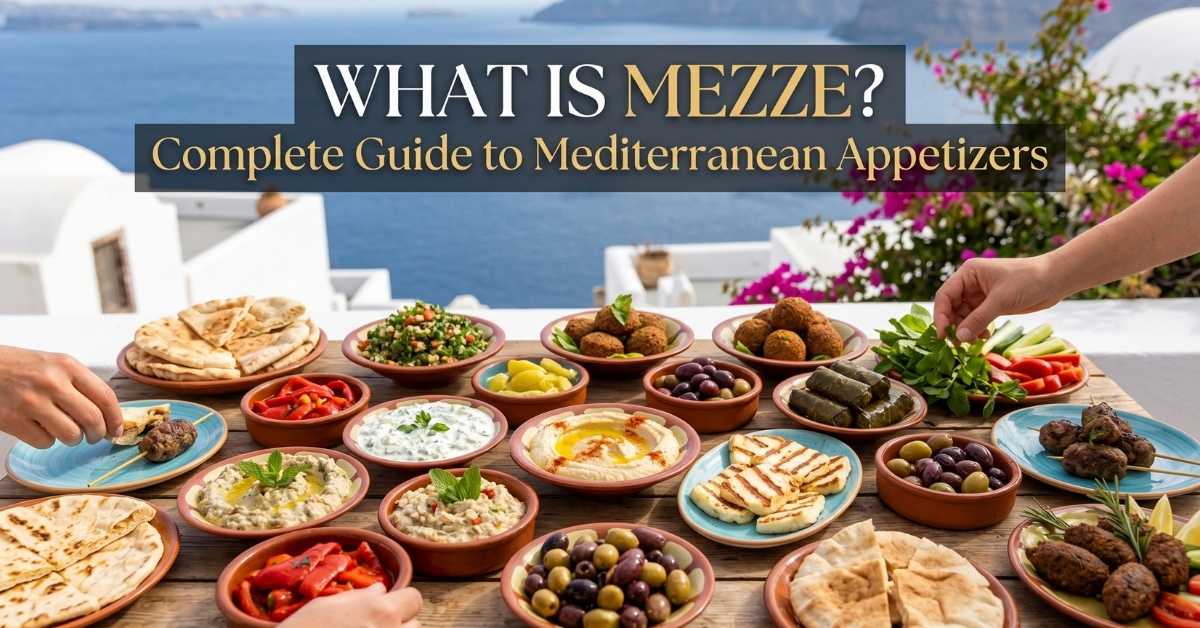
Vegetable Meze Spread
Multiple olive oil-based vegetable dishes arranged on small plates create abundance and variety. It’s the opposite of restrictive eating—it’s luxurious, satisfying, and genuinely nourishing.
The Mediterranean Connection
Turkish comfort food is Mediterranean comfort food. According to the Mayo Clinic, the Mediterranean diet consistently ranks as the healthiest eating pattern available.
What makes it work? The same principles Turkish meals have followed for centuries:
- Emphasis on vegetables and whole grains
- Healthy fats from olive oil rather than butter and cream
- Quality proteins in modest portions
- Fresh herbs and spices for flavor without excess salt
- Meals designed for sharing and slowing down
When you build Turkish comfort meals, you’re automatically following one of the world’s most researched, most recommended eating patterns.
Your Comfort Food Transformation Starts Today
Building healthy Turkish comfort meals isn’t about restriction or deprivation. It’s about understanding how to structure meals so they satisfy cravings, nourish your body, and taste genuinely delicious.
Start with one simple meal this week. Grill some chicken, roast some vegetables, make a fresh salad, and serve with brown rice. Notice how satisfied you feel. Notice how the meal feels abundant rather than restrictive.
Then try another. Explore 15 most popular Turkish foods to find dishes that appeal to you. Learn to make manti pasta from scratch. Discover the comfort of warming lentil soup.
Turkish comfort food proves that the most nourishing meals are the ones that feel like coming home. Your body and your taste buds will thank you.
Your turn: What’s your favorite comfort food? How can you build a healthier version inspired by Turkish cuisine? Share your thoughts in the comments below!
Can I eat Turkish comfort food while losing weight?
Yes. The balanced structure of Turkish meals—with plenty of vegetables, moderate protein portions, and whole grains—naturally supports healthy weight management without feeling restrictive.
Are Turkish meals expensive to prepare at home?
Not at all. Basic ingredients like lentils, chickpeas, rice, seasonal vegetables, and olive oil are affordable. Turkish cooking gets maximum flavor from simple, inexpensive ingredients.
How can I make Turkish meals kid-friendly?
Build meals with customizable components. Kids can choose their protein, vegetables, and grains. Reduce spice and let them add their own. This makes healthy eating feel like choice rather than obligation.
Can vegetarians eat Turkish comfort food?
Absolutely. Lentil-based soups, chickpea dishes, egg dishes, and vegetable preparations are central to Turkish cuisine. Many traditional meals are naturally vegetarian.
Where can I try authentic Turkish comfort meals?
Visit Istanbul Grill Restaurant in Orlando or Kissimmee. We prepare authentic Turkish dishes with fresh ingredients and traditional methods that embody these principles.