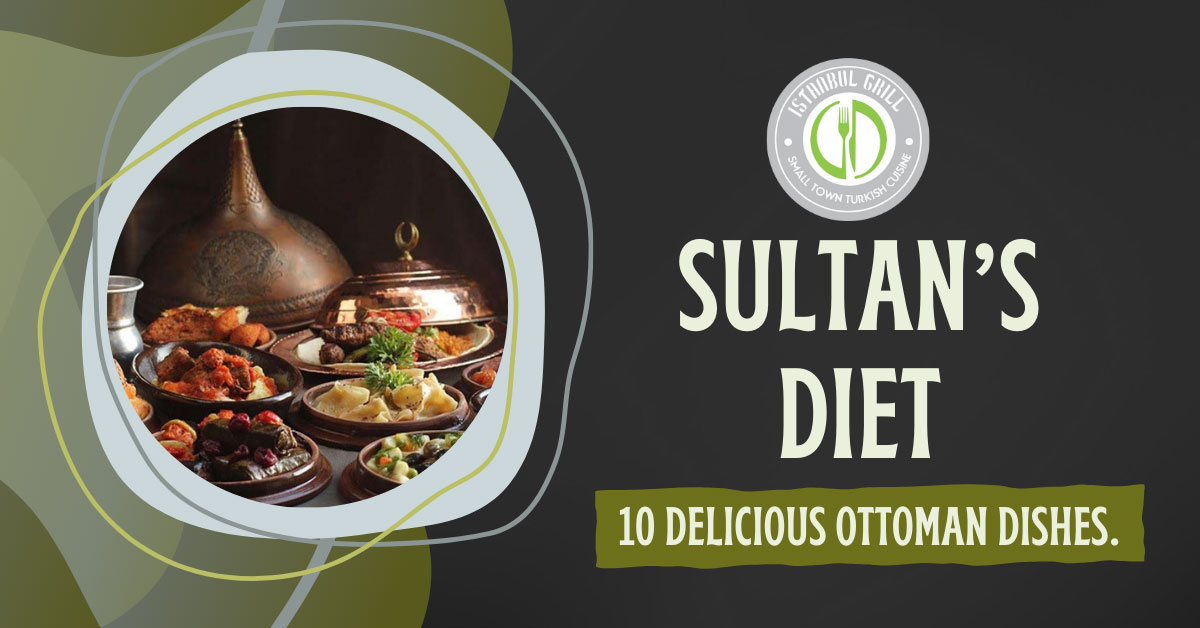
Ottoman dishes are the foods once cooked in the palace kitchens of the Ottoman sultans in Istanbul. Many of them still shape Turkish food today, from slow-cooked lamb to rice pilaf and sweets soaked in syrup. You can taste that same Turkish food tradition on our halal Turkish menu at Istanbul Grill in Orlando and Kissimmee.
Below are 10 Ottoman dishes, what goes into each one, and the story behind its name.
Ottoman Dishes at a Glance
| Dish | What It Is | Main Ingredients | Good to Know |
| Mutancana | Sweet and sour lamb stew | Lamb, dried fruit, nuts, honey | Served to Sultan Mehmed II in 1469 |
| Düğün Çorbası | Wedding soup | Lamb, egg yolk, lemon | The name means “wedding soup” |
| Mıhlama | Melted cheese dish | Cheese, corn flour, butter | A Black Sea breakfast dish |
| Piliç Topkapı | Chicken with spiced rice | Chicken, rice, warm spices | Named after Topkapı Palace |
| Hünkar Beğendi | Lamb over eggplant purée | Lamb, tomato, smoked eggplant | The name means “the sultan liked it” |
| Piruhi | Cheese-filled dough | Cheese, dill, parsley, thin dough | In a Turkish cookbook from 1844 |
| Keşkek | Wheat and meat stew | Wheat, meat, onions | On the UNESCO heritage list since 2011 |
| Demirhindi Şerbeti | Sweet tamarind drink | Tamarind, sugar, spices | Şerbet gave English the word “sorbet” |
| Patlıcanlı Pilav | Eggplant rice | Rice, eggplant, tomato | Can be made with no meat |
| Vezir Parmağı | Fried sweet in syrup | Semolina, butter, syrup | The name means “the vizier’s finger” |
What Is Ottoman Cuisine?
Ottoman cuisine is the food of the Ottoman Empire. It is best known from the kitchens of Topkapı Palace in Istanbul. The palace kitchen was called the Matbah-ı Amire, and it cooked for the sultan, his family, and everyone who lived and worked in the palace.
Topkapı Palace was built between 1475 and 1478, during the rule of Sultan Mehmed II. Palace cooking grew fast in his time. The sultan’s own meals were cooked in a kitchen of their own.
The empire ruled many lands, so its cooks mixed ideas from many cultures. That mix is why Turkish food today has so many kinds of kebabs, stews, pilafs, and sweets.
1. Mutancana

Mutancana is a sweet and sour lamb stew. The lamb cooks slowly with onions, dried fruit such as apricots and raisins, and nuts such as almonds. Honey gives it the sweet side.
A palace record shows Mutancana among the meals of Sultan Mehmed II on June 14, 1469. It also shows up in a palace feast record from 1539.
2. Düğün Çorbası (Wedding Soup)

“Düğün” means wedding in Turkish, so this is the wedding soup. Lamb cooks in water for a long time to make a rich broth.
At the end, the cook stirs in egg yolk and lemon juice. This makes the soup smooth, thick, and a little sour.
3. Mıhlama

Mıhlama comes from the Black Sea coast of Turkey. The cook melts butter in a pan, adds corn flour, and then adds cheese.
The cheese melts into a thick, stretchy dip. People eat it hot with bread, often for breakfast.
4. Piliç Topkapı

Piliç means chicken, and Topkapı is the name of the palace. In this dish, chicken is cooked with rice that is full of warm spices. It is a filling meal that carries the palace name.
5. Hünkar Beğendi

The name Hünkar Beğendi means “the sultan liked it.” Pieces of lamb cook slowly in a tomato sauce. The lamb is served on top of a creamy purée made from smoked eggplant.
The smoky eggplant and the soft lamb are a great match. Even people who skip eggplant often enjoy this dish.
6. Piruhi

Piruhi is thin dough filled with cheese, dill, and parsley. The first printed Turkish cookbook, Melceü’t-Tabbâhîn, came out in 1844. It describes large pieces of dough filled with this cheese mix and calls them piruhi.
Piruhi is close family to Turkish dumplings such as mantı.
7. Keşkek

Keşkek is a thick stew of wheat and meat. It is made for weddings and religious holidays. People clean the wheat the day before, then pound it in a big stone bowl.
The wheat and meat cook all night in huge pots. The next day, strong young people beat the stew with wooden mallets until it is thick, while music plays.
In 2011, UNESCO added the Ceremonial Keşkek Tradition to its list of the world’s cultural heritage.
8. Demirhindi Şerbeti

Demirhindi means tamarind. This drink is a sweet tamarind şerbet, often made with spices like cinnamon and cloves.
Ottoman şerbet drinks are where the English words “sherbet” and “sorbet” come from. The word moved from Turkish into Italian as “sorbetto,” then into French and English as “sorbet.” Back then, it meant a cool drink, not a frozen dessert.
9. Patlıcanlı Pilav

Patlıcanlı Pilav means rice with eggplant. The cook fries pieces of eggplant, then cooks them with rice and tomato.
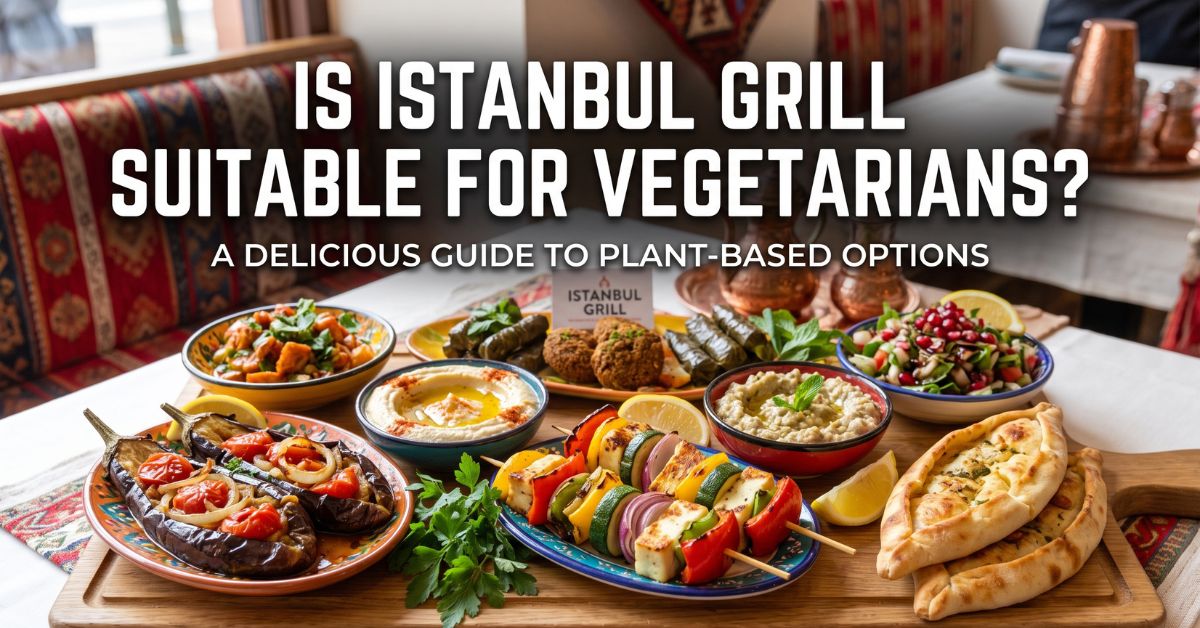
It can be made with no meat at all. If you eat plant-based meals, see is Istanbul Grill suitable for vegetarians.
10. Vezir Parmağı

Vezir Parmağı means “the vizier’s finger.” It is a soft dough made from semolina, shaped like a finger, fried, and soaked in sweet syrup.
An old Turkish legend explains the name. During a hunt, a vizier cut off the sultan’s finger by accident. Later, that missing finger saved the sultan’s life. The palace cooks then named this sweet after the vizier.
Taste the Ottoman Tradition at Istanbul Grill
Some of these palace recipes are hard to find outside Turkey. But the Turkish food that grew from them is on our halal Turkish menu every day. Try these dishes on your next visit:
- Royal Ottoman Grill: a family platter with lamb adana, beef adana, lamb shish, beef shish, and lamb chops, served with rice and salad. It serves 5.
- Lamb Shank: lamb cooked slowly in Turkish spices with vegetables, served with rice and soup.
- Mosakka: baked eggplant with ground beef, for anyone who loved Hünkar Beğendi and Patlıcanlı Pilav.
- Iskender Style Kebab: sliced meat over bread with a special sauce and yogurt.
- Şekerpare: a semolina sweet soaked in syrup, a close cousin of Vezir Parmağı.
- Baklava and Künefe: two classic Turkish sweets.
- Turkish Coffee: flame brewed, the classic way to end a Turkish meal.
Hungry now? Order online or book a table. Planning a big family meal or event? See our group dining and catering options.
Visit Istanbul Grill
We are open 7 days a week. Monday to Saturday, 12:00 PM to 10:00 PM. Sunday, 2:00 PM to 10:00 PM.
- Istanbul Grill Orlando: 9428 South Orange Blossom Trail, Orlando, FL 32837. Call 407-286-0887.
- Istanbul Grill Kissimmee: 2901 Parkway Blvd., Kissimmee, FL 34747. Call 407-507-0100.
Frequently Asked Questions
What is Ottoman cuisine?
Ottoman cuisine is the food of the Ottoman Empire, best known from the palace kitchens of Topkapı Palace in Istanbul. It mixed cooking ideas from many cultures, and it is the base of much of Turkish food today.
What food did Sultan Mehmed II eat?
A palace record from June 14, 1469 lists Mutancana among the meals of Sultan Mehmed II. Mutancana is a sweet and sour lamb stew with dried fruit, nuts, and honey.
Which Ottoman dish is on the UNESCO list?
Keşkek. In 2011, UNESCO added the Ceremonial Keşkek Tradition of Turkey to its Representative List of the Intangible Cultural Heritage of Humanity.
Where does the word sorbet come from?
It comes from the Turkish word şerbet, a sweet cold drink. It became “sorbetto” in Italian, and then “sorbet” in French and English.
Is the food at Istanbul Grill halal?
Yes. Istanbul Grill serves a halal Turkish menu at both its Orlando and Kissimmee locations. To learn what halal means, read halal meat vs regular meat.
Where can I eat Turkish food in Orlando?
Istanbul Grill serves halal Turkish food at 9428 South Orange Blossom Trail in Orlando and at 2901 Parkway Blvd. in Kissimmee. Both are open 7 days a week.