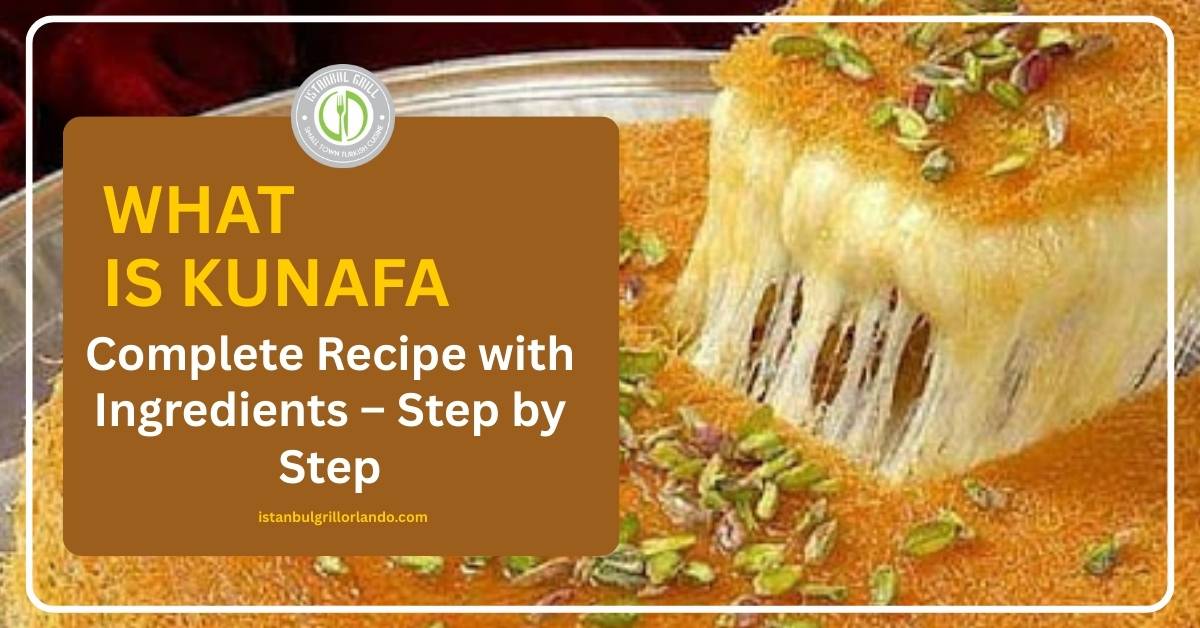
Have you ever tasted a dessert so delicious that you could not stop thinking about it? That is kunafa. This golden, crispy dessert filled with sweet cheese or cream has been making people smile across the Middle East for centuries. At Istanbul Grill Restaurant in Orlando and Kissimmee, we serve authentic kunafa that keeps our customers coming back week after week.
Today, we are sharing our complete kunafa recipe so you can bring this dessert into your own kitchen. You might think making kunafa at home is too difficult, but we promise it is easier than you imagine. With the right ingredients and our step-by-step guidance, you will create a restaurant-quality dessert that will amaze your family and friends.
The aroma of butter-soaked pastry baking in your oven, the sight of that beautiful golden-orange color, and the taste of sweet cheese melting with crispy threads of phyllo dough create an experience you will never forget. This is more than just a dessert. It is a celebration on a plate.
What is Kunafa?
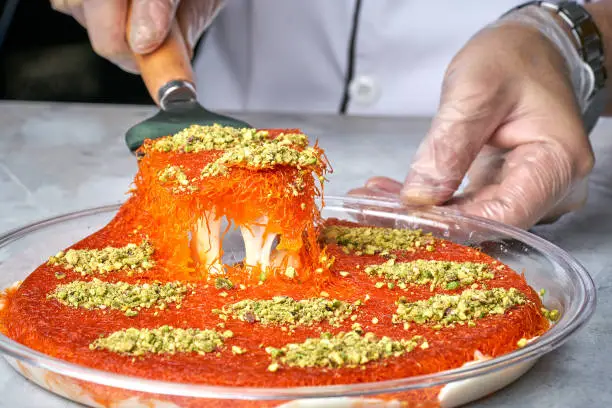
Kunafa is a traditional Middle Eastern dessert that has captured the hearts of people across the world. The name kunafa (also spelled knafeh, kanafeh, or künefe) originates from Arabic, and this beloved sweet treat has been enjoyed for centuries.
The most famous version comes from the Palestinian city of Nablus, which is why you sometimes hear kunafa called “Nabulsi kunafa” or “Knafeh Nabulsiyeh.” In Nablus, they make it with a special white cheese called Nabulsi cheese that has a mild, slightly salty flavor which perfectly balances the sweetness of the syrup.
At Istanbul Grill Restaurant, we serve kunafa during Ramadan, at weddings, for Eid celebrations, and whenever someone wants to mark a special moment.
Why You Should Make Kunafa at Home
Many people think kunafa is too complicated to make at home. They see it in restaurants and bakeries and assume it requires professional skills. This is not true. Making kunafa at home is actually quite simple once you understand the basic steps.
The ingredients are easy to find. Most Middle Eastern grocery stores carry kataifi (shredded phyllo dough) in their freezer section. If you do not have a Middle Eastern store nearby, you can order it online. The other ingredients like butter, cheese, sugar, and rose water are available at regular supermarkets.
At Istanbul Grill Restaurant in Orlando and Kissimmee, we make kunafa fresh every day because we know the difference it makes. Now you can bring that same freshness and quality to your own table.
Different Types of Kunafa
Before we dive into the recipe, it helps to understand that kunafa comes in different styles. Knowing these differences helps you choose which version to make.
Kunafa Khishneh
(Rough Kunafa) uses coarser, chunkier pieces of shredded phyllo. The pastry threads are thicker and create a rougher texture. This version has more crunch and a rustic appearance. Many people prefer this style because it feels more traditional and homemade.
Kunafa Na’ameh
(Smooth Kunafa) uses very fine, hair-thin phyllo threads that are almost powder-like after processing. This creates an extremely smooth, delicate texture that almost melts in your mouth. Professional bakeries often prefer this style because it looks more refined.
Cheese Kunafa
fills the pastry with sweet, stretchy cheese. The traditional cheese is Nabulsi or Akkawi, both of which are mild, white, slightly salty Middle Eastern cheeses. When heated, they become wonderfully stretchy and gooey. If you cannot find these cheeses, mozzarella mixed with a bit of ricotta makes an excellent substitute.
Cream Kunafa
(Kunafa bil Ashta) fills the pastry with ashta, which is a thick, rich cream similar to clotted cream or pastry cream. Some versions use sweetened ricotta or mascarpone cheese mixed with cream as the filling. This version is lighter and less stretchy than cheese kunafa.
Mixed Kunafa
combines both cheese and cream in layers. You get the stretchy texture of cheese and the smooth richness of cream in every bite.
At Istanbul Grill Restaurant, we serve both cheese and cream versions because our customers love having choices. For this recipe, we will teach you how to make the classic cheese kunafa, which is the most popular style.
Ingredients
For the Kunafa:
- 1 pound kataifi (shredded phyllo dough), thawed
- 1 cup unsalted butter, melted
- 2 pounds mozzarella cheese, shredded (or Nabulsi cheese if available)
- Few drops orange or red food coloring (optional)
For the Sugar Syrup:
- 2 cups sugar
- 1 cup water
- 1 tablespoon lemon juice
- 1 tablespoon rose water
For Garnish:
- 1/4 cup ground pistachios
Step-by-Step Instructions
Step 1: Make the Sugar Syrup
Put the sugar and water in a medium saucepan over medium heat. Stir until the sugar dissolves completely. Once the mixture starts boiling, add the lemon juice. Let it boil for about 10 minutes until it becomes slightly thick like honey. Remove from heat and stir in the rose water. Set aside to cool completely. The syrup must be cold when you pour it over hot kunafa.
Step 2: Prepare the Kataifi
Take the thawed kataifi and put it in a food processor. Pulse 5 to 6 times to chop the long threads into smaller pieces about 2 inches long. Do not over-process or it will turn into powder. Transfer the chopped kataifi to a large bowl.
Step 3: Mix with Butter
If using food coloring, mix a few drops into the melted butter until you get a nice orange color. Pour the melted butter over the kataifi. Use your hands to mix everything together, making sure every strand is coated with butter. The kataifi should look evenly colored and feel moist.
Step 4: Layer the Pan
Grease a 12-inch round baking pan with a little butter. Take half of the buttered kataifi and spread it evenly across the bottom of the pan. Press down firmly with your hands or the back of a spoon to create a compact, even layer.
Step 5: Add the Cheese
Spread the shredded cheese evenly over the first layer of kataifi, leaving about half an inch from the edges. Make sure the cheese layer is uniform so every piece of kunafa will have the same amount of filling.
Step 6: Add the Top Layer
Take the remaining half of the buttered kataifi and spread it over the cheese. Press down firmly to seal everything together. The top should be flat and even.
Step 7: Bake
Preheat your oven to 350 degrees Fahrenheit. Bake the kunafa for 40 to 50 minutes until the top and bottom are golden brown and crispy. You can check the bottom by carefully lifting one edge with a spatula.
Step 8: Add the Syrup
As soon as you take the hot kunafa out of the oven, immediately pour the cold sugar syrup evenly over the entire surface. You will hear a wonderful sizzling sound. The hot kunafa will absorb the cold syrup quickly. Use all the syrup.
Step 9: Flip and Serve
Let the kunafa rest for 5 minutes. Place a large serving platter over the pan. Hold both the pan and platter firmly and flip everything over in one quick motion. The kunafa should release onto the platter with the crispy golden bottom now on top. Sprinkle ground pistachios over the top. Cut into wedges and serve immediately while warm.
Tips for Perfect Kunafa
The secret to amazing kunafa is using enough butter. Do not try to reduce the butter to make it healthier. The butter is what makes the pastry crispy and golden. Without enough butter, your kunafa will be dry and pale.
Always use cold syrup on hot kunafa. This is very important. If you pour hot syrup on hot kunafa, it will make the pastry soggy. The temperature difference between cold syrup and hot pastry creates the perfect texture.
Serve kunafa warm, not cold. Kunafa tastes best within the first hour after making it. The contrast between the crispy pastry and the melted cheese is at its peak when the dessert is still warm.
How to Store Kunafa
Kunafa is best eaten fresh the day you make it. However, you can store leftovers in an airtight container in the refrigerator for up to 3 days.
To reheat kunafa, place pieces on a baking sheet and warm in a 350-degree oven for 10 to 15 minutes until crispy again. Do not use the microwave because it will make the pastry soggy instead of crispy.
You can also freeze unbaked kunafa. Prepare everything up to step 6, then cover tightly with plastic wrap and aluminum foil. Freeze for up to 2 months. When ready to bake, you do not need to thaw it. Bake directly from frozen, adding an extra 15 to 20 minutes to the baking time.
What to Serve with Kunafa
Kunafa is rich and sweet, so it pairs perfectly with unsweetened drinks. At Istanbul Grill Restaurant in Orlando and Kissimmee, we serve kunafa with:
- Turkish coffee or espresso : The bitter coffee balances the sweet dessert perfectly.
- Hot tea : Black tea or mint tea works wonderfully.
- Cold milk : Some people love the combination of sweet kunafa and cold milk.
- Arabic coffee : Cardamom-flavored coffee is traditional with kunafa.
You can also serve kunafa with a scoop of vanilla ice cream on top. The cold ice cream melting into the warm kunafa creates an incredible taste experience.
Why Kunafa is Special
Kunafa is not just a dessert. It represents celebration, tradition, and togetherness. In the Middle East, families gather around a large tray of kunafa during holidays and special occasions. The dessert brings people together.
During Ramadan, the month of fasting, kunafa appears on tables across the Middle East every evening when families break their fast. The sweet, comforting taste after a long day of fasting feels like a reward and a blessing.
When you make kunafa at home, you become part of this beautiful tradition that spans centuries and crosses borders. You connect with countless families who have made this same dessert to celebrate their happiest moments.
Visit Istanbul Grill Restaurant
If you want to taste authentic kunafa before making it at home, visit Istanbul Grill Restaurant in Orlando or Kissimmee. Our chefs make fresh kunafa using traditional recipes passed down through generations. One taste and you will understand why this dessert has been loved for centuries.
When you visit us, you can enjoy kunafa along with other authentic Middle Eastern desserts like baklava, Turkish coffee, and fresh fruit plates. We welcome you to experience the warmth and hospitality of Mediterranean dining.
We hope this recipe brings joy to your kitchen and smiles to the faces of everyone you share it with. From our family at Istanbul Grill Restaurant to yours, we wish you sweet success with your kunafa adventure!
FAQs
[rank_math_rich_snippet id=”s-f7f06f7b-4347-4da8-a838-ca9b3ff244a6″]