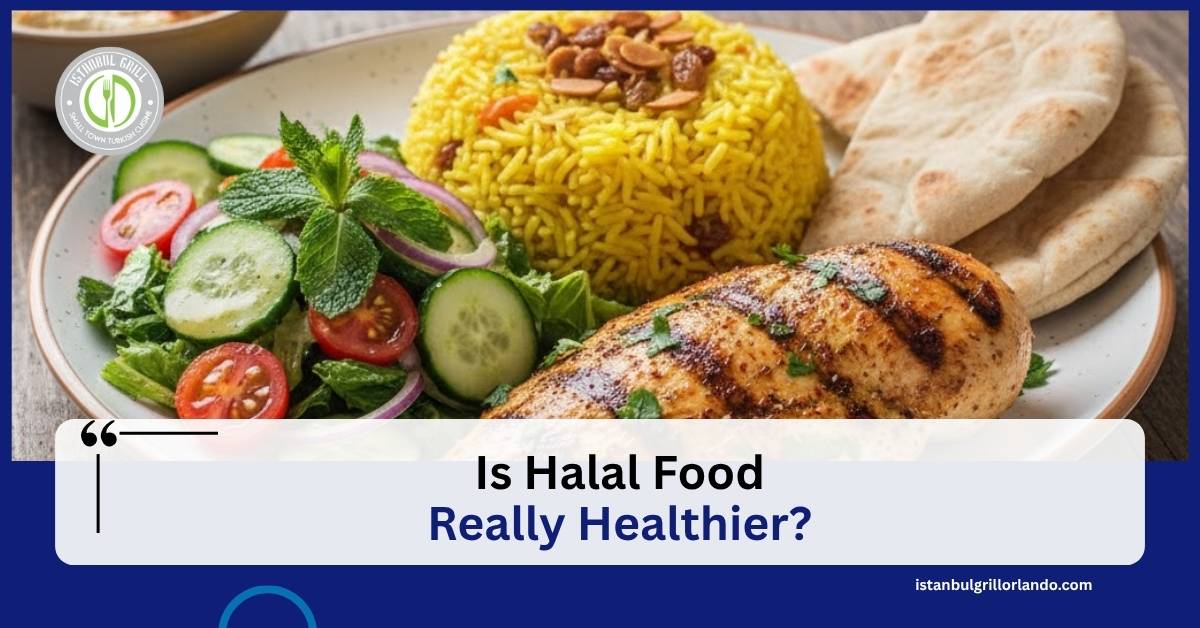
Is halal food healthy? The short answer is yes. Halal food adheres to strict dietary guidelines that emphasize cleanliness, ethical practices, and quality control. These standards make halal a nutritious and safer option for many families. But the bigger question remains: is halal food really healthier than conventional alternatives, and what makes it different?
Today, we will examine whether halal food is truly healthier, explore its key benefits, and help you understand why halal options might be worth considering for your family.
What Does Halal Mean?
Halal is an Arabic word that means “allowed” or “permissible.” In food terms, it refers to items that follow Islamic dietary rules. For those seeking authentic halal dining in Central Florida, Istanbul Grill has become one of the best choices for halal food in Kissimmee and Orlando. These rules originate from religious texts and encompass a wide range of topics, from the humane treatment of animals to the permissible ingredients in your snacks.
Think of it like organic or kosher labels. Each one follows specific rules about food preparation.
How Halal Meat Is Prepared
The preparation method is where halal meat differs from regular meat you find at most stores.
When an animal is slaughtered for halal meat, a few things must happen:
- The animal must be healthy and alive before slaughter
- A sharp knife cuts the throat quickly to reduce suffering
- All blood drains out completely from the body
- A prayer is recited during the process
That blood drainage part is important for health reasons, which I will explain shortly.
The Health Benefits You Should Know About
Understanding the significance of halal meat goes beyond religious practice. The preparation methods directly impact the quality and safety of what ends up on your plate.
Cleaner Meat With Less Bacteria
When blood stays in meat, it creates a perfect home for bacteria to grow. Blood contains nutrients that bacteria love, and it spoils quickly.
Halal slaughter removes all blood from the meat. This means:
- Less bacterial growth
- Longer shelf life
- Safer meat to eat
Think about leaving a glass of milk on the counter versus storing it in the fridge. Blood in meat works the same way – it goes bad fast.
No Harmful Chemicals or Additives
Many processed meats contain preservatives, artificial flavors, and fillers. Some of these chemicals have names you cannot even pronounce.
Halal guidelines are strict about what can go into food. Pork products, alcohol-based ingredients, and certain artificial additives are not allowed. This means halal foods often have cleaner ingredient lists.
When you read a halal product label, you usually see fewer mystery ingredients.
Animals Are Treated Better
Stress is bad for animals, and it is also bad for the quality of their meat. This is a key part of understanding is halal meat healthier than conventional options.
When animals experience fear or stress before slaughter, their bodies release hormones and produce lactic acid. This acid builds up in the muscles and makes the meat taste sour or tough.
Halal rules require that animals:
- Live in decent conditions
- Get proper food and water
- Stay healthy throughout their lives
- Face minimal stress during slaughter
Healthier, calmer animals produce better quality meat. It is that simple.
Focus on Fresh, Whole Foods
Halal eating is not just about meat. The whole approach encourages people to choose fresh, natural ingredients over processed junk food.
Many halal meals include:
- Lean meats like chicken and beef
- Fresh vegetables and legumes
- Whole grains like rice and wheat
- Natural spices and herbs
This style of eating naturally cuts out a lot of unhealthy processed foods.
What Foods Are Not Halal?
To understand halal better, you need to know what is not allowed. These forbidden items are called “haram.”
Common haram foods include:
- Pork and anything made from pigs (bacon, ham, pork sausage)
- Alcohol and drinks with alcohol
- Meat from animals that died naturally or were not slaughtered correctly
- Blood-based foods
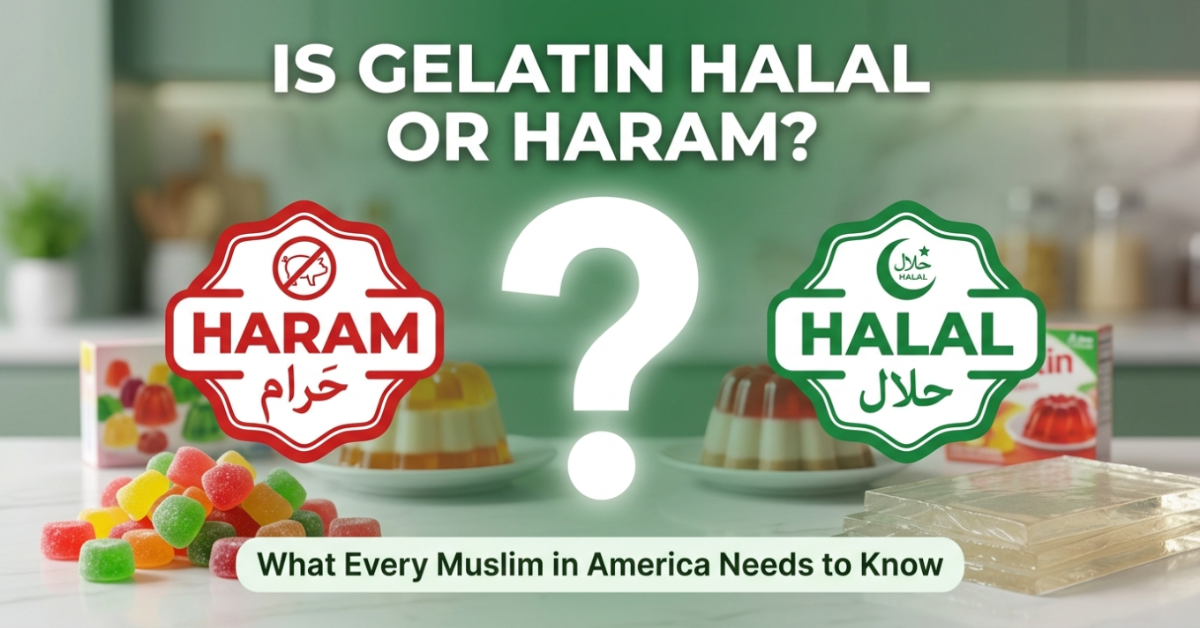
- Certain gelatin (often made from pork)
Here is something that surprises many people: pork shows up in foods you would not expect. Gelatin made from pork is in many gummy candies, marshmallows, and even some yogurts. Some chips use pork enzymes for flavoring.
Reading labels becomes really important if you follow halal guidelines.
Does Halal Meat Actually Taste Better?
Many people say yes, and there is science behind it.
Remember that lactic acid I mentioned earlier? When animals get stressed before slaughter, lactic acid floods their muscles. This makes the meat taste off and affects its texture.
Since halal slaughter aims to keep stress low, less lactic acid builds up. The result is meat that tastes cleaner and more tender.
Also, removing all the blood means the meat does not have that strong, gamey flavor some people dislike.
Of course, taste is personal. What tastes amazing to one person might not impress another. But many chefs and home cooks swear that halal meat has a milder, more pleasant flavor.
Halal Food and Other Healthy Diets
You might wonder how halal compares to other popular eating styles in America. When people ask “is halal food good for you,” they often want to know how it stacks up against other diet choices.
Halal vs. Organic
Organic food focuses on how crops are grown and whether pesticides are used. It also covers how animals are fed.
Halal focuses on the slaughter method and which ingredients are allowed.
You can have organic halal meat, which checks both boxes.
Halal vs. Kosher
Kosher is the Jewish version of religious dietary laws. Both kosher and halal ban pork and require specific slaughter methods.
The main differences:
- Kosher has stricter rules about mixing dairy and meat
- Halal requires a prayer during slaughter
- The knife cuts are slightly different
Both produce high-quality meat with similar health benefits.
Is Halal Food More Expensive?
This is a fair question. Sometimes halal products cost more because:
- Smaller production batches
- Certification costs
- Specialized processing facilities
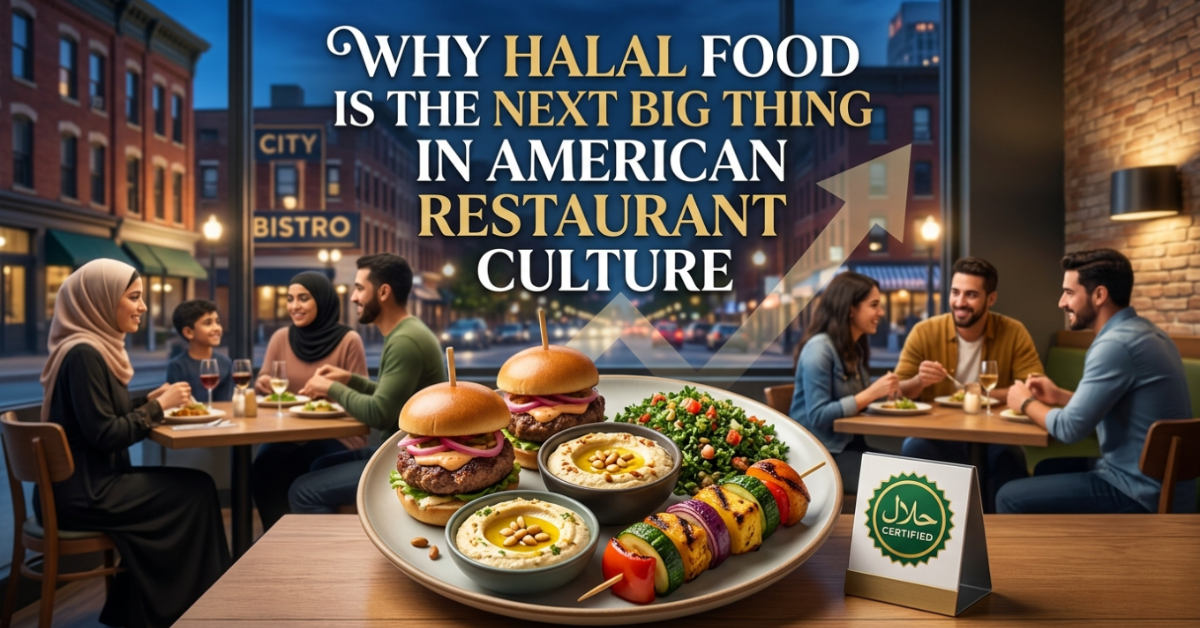
But as halal food becomes more popular in the USA, prices are dropping. Big supermarket chains now carry halal options at competitive prices. Stores like Walmart, Whole Foods, and Costco stock halal meats right next to regular options.
Finding Halal Food in America
The halal industry has exploded across the United States. You do not need to live in a big city to find halal options anymore.
Where to Look:
- Regular grocery stores (check the meat section for halal labels)
- Specialty halal butcher shops
- Middle Eastern or Mediterranean restaurants
- Online retailers that ship frozen halal meat
- Chain restaurants (some now offer halal chicken)
What to Check:
Look for certification symbols on packages. Trusted organizations like IFANCA (Islamic Food and Nutrition Council of America) certify products as halal.
If you are eating out, just ask the server or manager. Most restaurants are happy to explain their food sourcing.
The Bottom Line
So, is halal healthier than regular food? And is halal food good for you overall?
The answer is yes, with some important points to remember.
Halal meat preparation removes blood, which cuts bacterial growth and improves taste. The significance of halal meat lies not just in religious compliance, but in the practical health benefits it offers. Animals raised under halal guidelines often experience better treatment and less stress, which improves meat quality. Halal dietary rules naturally limit processed foods and questionable additives.
But halal is not a magic solution. You still need to eat balanced meals, choose fresh ingredients, and watch your portions. A halal burger is still a burger. Halal ice cream is still ice cream.
The real benefit comes from the overall approach – cleaner ingredients, ethical sourcing, and mindful eating habits. When evaluating is halal meat healthier, the evidence points to yes, particularly when it comes to bacterial content, meat quality, and ingredient transparency.
For Americans looking to eat healthier, halal food offers a solid option. Whether you follow Islamic practices or just want higher quality meat, halal products are worth trying.
Next time you are at the grocery store, look for that halal label. Give it a shot and see if you notice the difference. Your taste buds and your body might thank you for it.
FAQs
[rank_math_rich_snippet id=”s-e9fdb2c6-08f1-4d71-bb40-132da5d94358″]