Shopping for halal meat near me can be confusing, especially with so many options available today. As a Muslim consumer, you want to ensure the meat you’re buying genuinely follows Islamic guidelines.
Looking for halal food in Orlando or Kissimmee? Come try the delicious Turkish dishes at Istanbul Grill. This guide will help you make informed choices and avoid common mistakes when purchasing meat.
Understanding What Makes Meat Truly Halal
Before we talk about buying tips, let’s understand what meat really means. The word “halal” comes from Arabic and means “permissible” according to Islamic law. Halal isn’t just about saying a prayer – there are specific rules that must be followed:
The animal must be healthy and alive before slaughter. The person doing the slaughter must be a Muslim who knows the proper Islamic method. The animal should be slaughtered with a sharp knife in one swift cut across the throat, cutting the jugular vein, carotid artery, and windpipe. The blood must be completely drained from the animal since consuming blood is forbidden in Islam. Most importantly, the name of Allah must be mentioned at the time of slaughter with the prayer “Bismillah Allahu Akbar” (In the name of God, God is the greatest).
The halal process also requires humane treatment of animals before slaughter. Animals must be healthy, well-fed, given proper water, and not subjected to stress or harm. This makes halal meat production more ethical and compassionate compared to some conventional methods.
Key Differences Between Halal and Regular Meat
Understanding the differences between halal and regular meat helps you make informed choices when shopping:
Slaughter Methods: Regular meat production often uses stunning methods where animals are electrically shocked or gassed before slaughter to reduce pain. While this sounds humane, stunning sometimes fails, causing animal suffering. Halal slaughter uses a swift, precise cut that many believe causes less pain and ensures complete blood drainage.
Blood Removal: In halal processing, all blood must be completely drained from the animal since blood consumption is prohibited in Islam. This thorough blood removal may reduce bacteria and toxins in the meat. Regular meat processing doesn’t always ensure complete blood drainage.
Animal Welfare: Halal rules require animals to be treated well throughout their lives – proper food, water, shelter, and no abuse or stress. While some regular meat producers also follow good welfare practices, it’s not always guaranteed or regulated as strictly.
Prohibited Items: meat never includes pork or meat from animals that died naturally. Regular meat includes all types of meat that local laws allow, including pork which is completely forbidden in halal guidelines.
Processing Standards: meat must be processed in dedicated halal facilities with strict cleanliness rules and separation from non-halal products. Regular meat facilities follow local health codes but don’t have the same religious requirements.
Is Halal Meat Better Than Regular Meat?
Many people wonder if meat is actually better than regular meat. The answer depends on what “better” means to you:
Taste Differences: Some people say halal meat tastes better because of the complete blood drainage, which removes impurities and toxins. The meat may be cleaner and have a fresher taste. However, not everyone notices a difference in taste between halal and regular meat.
Health Benefits: The thorough blood removal in halal processing may reduce harmful bacteria in the meat. Some studies suggest this could make halal meat slightly safer. However, both halal and regular meat are safe to eat when properly processed and cooked.
Ethical Considerations: Many people choose meat because they believe the animal welfare standards are higher. The requirement for humane treatment and stress-free slaughter appeals to consumers who care about ethical meat production.
Quality Standards: Halal certification requires strict oversight of the entire process from farm to package. This attention to detail often results in higher overall quality, though quality ultimately depends on the specific producer.
For Muslims, choosing halal meat is a religious requirement, not just a preference. For non-Muslims, the choice often comes down to personal values regarding animal welfare, taste preferences, and quality standards.
When shopping for halal meat, certain warning signs should make you think twice. Be careful if the price seems too cheap compared to other halal stores – real halal meat costs more because of the special care required. If the store can’t tell you where their meat comes from or who certified it, that’s a problem. Also, be wary if the staff doesn’t seem to know much about halal requirements or if the store mixes halal and non-halal products carelessly.
Questions to Ask Your Butcher
Don’t be shy about asking questions. A good halal butcher will be happy to answer them. Ask who certified their meat as halal and request to see the certificate. Find out where the animals come from and how they were raised. Ask if they can guarantee the meat was slaughtered according to Islamic law. You should also check if they handle halal and non-halal meat separately to avoid cross-contamination.
Finding Reliable Halal Certification
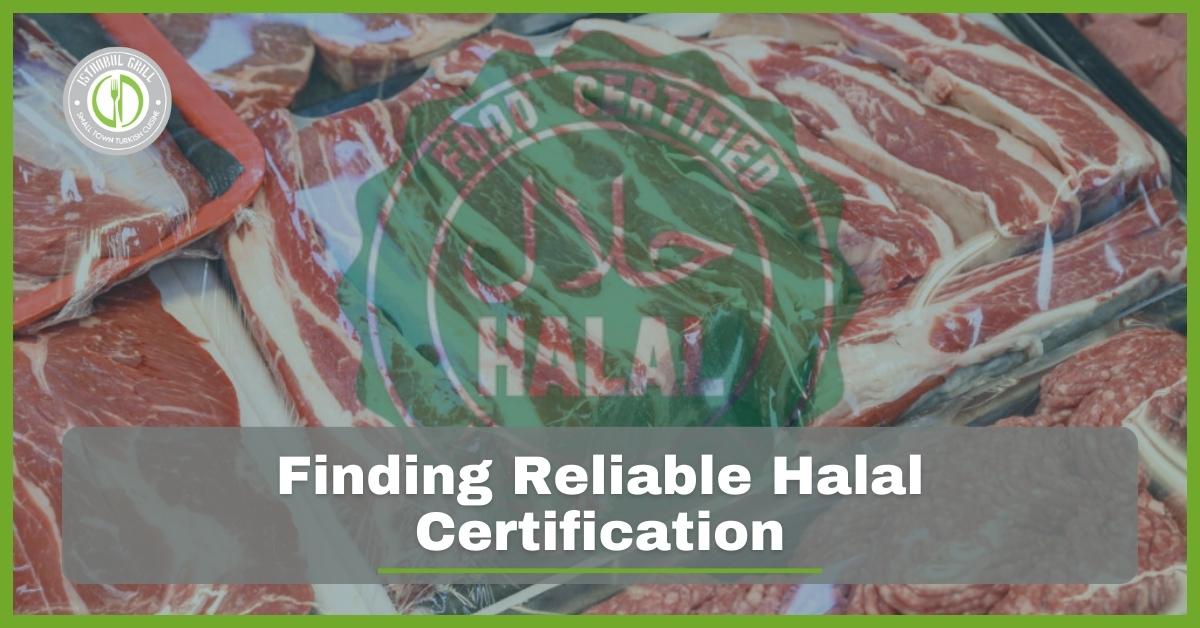
Not all halal certificates are the same. Look for certification from well-known Islamic organizations in your area. In the US, organizations like ISWA, HFA, or local mosque committees are usually trustworthy. The certificate should be current and clearly displayed in the store. If you’re unsure about a certification body, ask your local imam or mosque for guidance.
Shopping at Different Types of Stores
You have several options when buying meat, each with pros and cons. Dedicated halal butcher shops usually offer the freshest meat and most knowledgeable staff, but they might be more expensive. Large halal supermarkets have good variety and competitive prices, but quality can vary. Regular grocery stores with halal sections are convenient but may have limited fresh options. Online halal meat suppliers are becoming popular, especially for specialty cuts, but you can’t inspect the meat before buying.
Inspecting Meat Quality
Even if meat is certified halal, you still need to check if it’s fresh and good quality. Look for meat that has a bright, natural color without any gray or green spots. Fresh meat should smell clean, not sour or fishy. The texture should be firm to touch, not slimy or sticky. Check the packaging date and make sure you’re buying the freshest available. If buying frozen meat, make sure the packaging isn’t damaged and there are no ice crystals inside, which could mean it’s been thawed and refrozen.
Understanding Labels and Packaging
Learn to read halal meat labels carefully. The halal symbol should be clearly visible on the packaging. Check for the certification body’s name and logo. Look for information about where the meat was processed and by whom. Some packages include details about the farm or supplier, which shows transparency. Be suspicious of vague terms like “halal-style” or “prepared according to Islamic tradition” – these don’t guarantee the meat is actually halal.
Building Relationships with Trusted Suppliers
Once you find a reliable halal meat supplier, build a relationship with them. Regular customers often get better service and first access to fresh deliveries. Don’t hesitate to give feedback if you’re not satisfied with quality. A good supplier will want to keep you happy. Ask about special orders for holidays or events – many halal butchers can get specific cuts or whole animals with advance notice.
Storage and Handling Tips
Buying good halal meat is only half the job – you need to store it properly too. Keep frozen meat frozen until you’re ready to use it. Fresh meat should be used within 1-2 days or frozen for later. Always thaw frozen meat in the refrigerator, not at room temperature. Store different types of meat separately to avoid cross-contamination. Keep raw meat on the bottom shelf of your refrigerator so juices don’t drip on other foods.
Budget-Smart Halal Shopping
meat can be expensive, but there are ways to save money without compromising on quality. Buy in bulk when there are sales and freeze what you don’t need immediately. Less popular cuts like shoulder or leg meat are often cheaper but just as tasty when cooked properly. Consider buying whole chickens and cutting them yourself instead of buying individual parts. Join or create a buying group with other families to get wholesale prices.
Understanding Different Types of Halal Meat
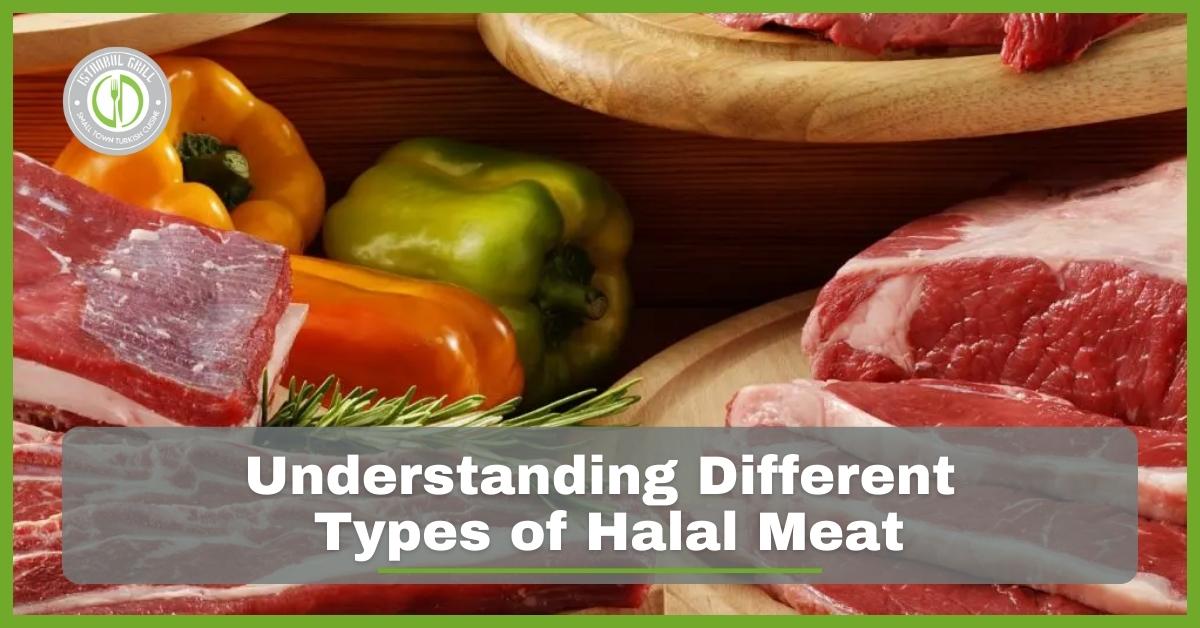
Not all halal meat is the same. Here’s what you should know about different types:
Fresh vs. Frozen: Fresh halal meat typically offers better taste and texture, but frozen halal meat lasts longer and can be more convenient. Both are equally halal if properly certified and handled.
Grass-Fed vs. Grain-Fed: Some meat comes from grass-fed animals, which may have better nutritional profiles and taste. However, grain-fed halal meat is more common and usually less expensive.
Organic Halal: This combines halal slaughter methods with organic farming practices – no antibiotics, hormones, or synthetic pesticides. It’s more expensive but appeals to health-conscious consumers.
Local vs. Imported: Local halal meat is often fresher and you can more easily verify the source. Imported halal meat might offer more variety but requires careful checking of international certification standards.
Each type of meat has specific things to look for. For beef, check that it’s bright red with white fat – yellow fat might indicate older meat. Lamb should have a mild smell and fine-grained texture. Chicken should have no dark spots or strong odors, and the skin should be cream-colored, not yellow or gray. For goat meat, which is popular in many Muslim communities, look for meat that’s dark red with little fat.
When Traveling or Living in Areas with Limited Options
If you live somewhere with few halal options, you have some alternatives. Some Muslims choose to buy from kosher suppliers, as Jewish slaughter methods are similar to Islamic ones, though this is debated among scholars. You might need to drive further to find proper halal meat and stock up when you do. Online ordering from reputable halal suppliers can be a good option, though shipping costs add up. Always consult with local Islamic scholars about what’s acceptable in your situation.
Making the Right Choice for Your Family
At the end of the day, buying meat is about following your faith while providing good food for your family. Don’t feel pressured to buy from somewhere you’re not comfortable with just because it’s convenient. It’s better to pay more for meat you trust than to worry about whether what you’re eating is actually halal. Remember that eating halal is not just about following rules – it’s about being mindful of what Allah has provided and consuming it in a way that pleases Him.
Common Myths About Halal Meat
Let’s clear up some misconceptions about halal meat:
Myth: Halal meat is always more expensive. Truth: While meat can cost more due to special processing requirements, prices vary by supplier and location. Smart shopping can help you find affordable halal options.
Myth: Halal slaughter is painful for animals. Truth: The quick, precise cut used in halal slaughter is designed to minimize pain and ensure rapid blood loss, which many experts consider humane.
Myth: You can’t tell the difference between halal and regular meat. Truth: Some people notice differences in taste, texture, and smell due to the complete blood drainage in halal processing.
Myth: All meat labeled “halal” is actually halal. Truth: Unfortunately, some suppliers use false halal labels. This is why checking for proper certification is so important.
Myth: Halal meat doesn’t last as long. Truth: Proper halal processing can actually help meat last longer because the thorough blood removal reduces bacterial growth.
Buying real halal meat doesn’t have to be complicated, but it does require attention and care. Take time to research your options, ask the right questions, and build relationships with suppliers you trust. Your effort in finding proper halal meat is part of your worship and care for your family. With these tips, you can shop with confidence knowing that the meat on your family’s table truly meets Islamic standards.
Remember, when in doubt, it’s always better to ask questions or seek guidance from knowledgeable people in your community. Your local imam, Islamic center, or experienced Muslim friends can often provide valuable advice about where to find the best meat in your area.