Standing in the grocery aisle, you’re faced with a dilemma that millions of Americans encounter daily. Should you opt for halal meat or choose the organic option instead? This decision isn’t just about food anymore. It’s about your family’s health, your personal values, and your wallet, too.
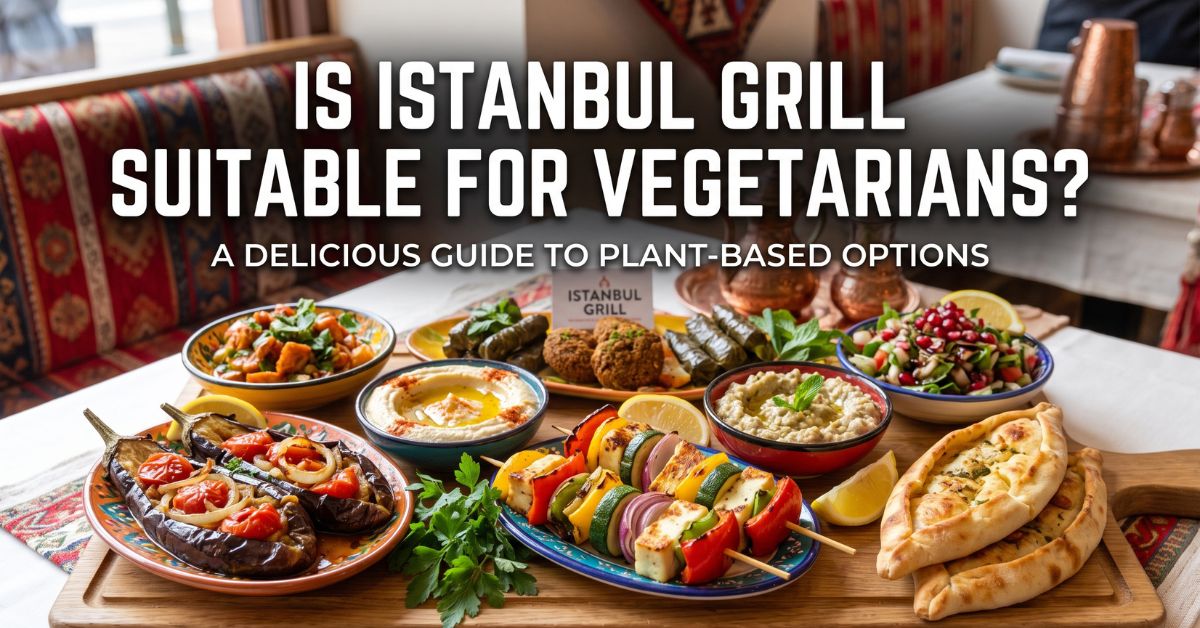
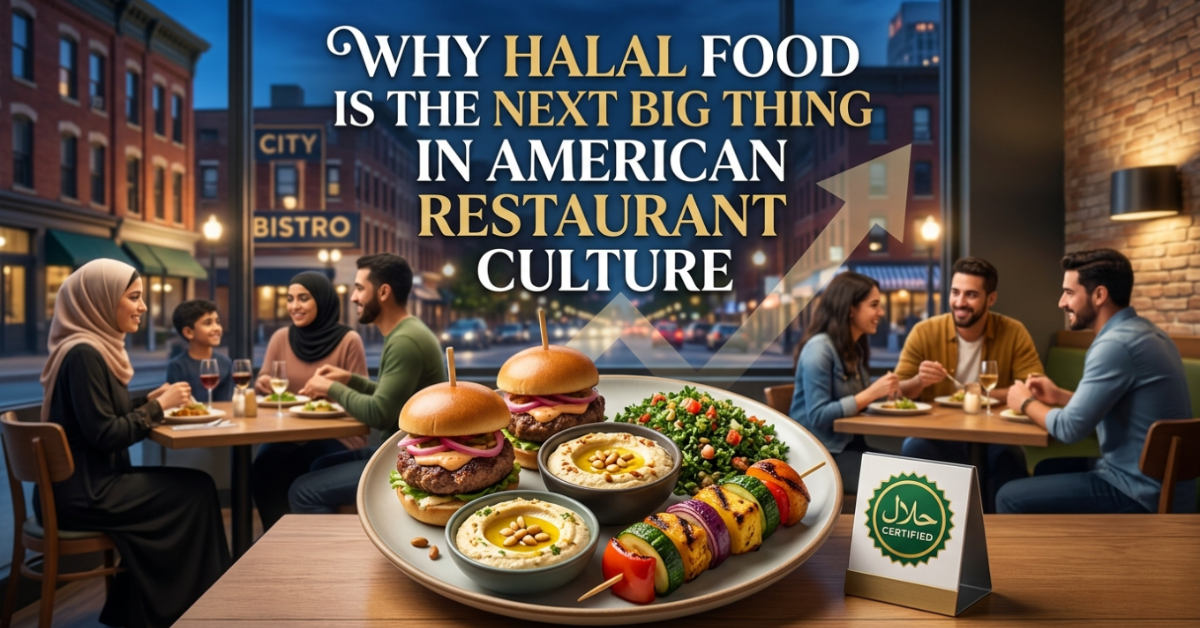
The halal vs organic debate has grown significantly across the United States as more consumers demand transparency in their food choices, and if you want to try halal food, you’ll find it everywhere, from busy restaurants in Orlando and Kissimmee to specialty spots like Istanbul Grill.
Some families prioritize religious requirements while others focus on environmental impact. Many people wonder if they can have both benefits in one product. Today, we’ll explore every aspect of this important comparison so you can make the best choice for your family’s needs..
What Makes Meat Halal vs Organic?
Understanding Halal Meat Standards
Halal meat follows strict Islamic dietary laws that have existed for over 1,400 years. The word “halal” means “permissible” in Arabic. These standards require specific slaughter methods and ingredient restrictions. The animal must be alive and healthy before slaughter. A sharp knife cuts the throat quickly to minimize suffering.
The process also requires complete blood drainage from the carcass. Islamic law prohibits certain ingredients like pork and alcohol in any form. Cross-contamination with forbidden substances makes the entire product unacceptable. These rules apply throughout the entire supply chain from farm to table.
Organic Meat Production Principles
Organic meat production focuses on natural farming methods without synthetic chemicals. The USDA organic certification requires animals to eat organic feed for their entire lives. Farmers cannot use antibiotics, growth hormones, or synthetic pesticides. Animals must have access to outdoor pastures and natural sunlight.
The organic process emphasizes soil health and environmental sustainability. Farmers use crop rotation and natural fertilizers instead of chemical alternatives. This approach takes more time and costs more money. However, supporters believe it creates healthier food and protects the environment for future generations.
Certification Standards: Key Differences
Halal Certification Process
Halal certification involves religious authorities who understand Islamic law completely. These organizations inspect facilities regularly to ensure compliance. The certification body monitors every step from animal feed to final packaging. They check for forbidden ingredients and cross-contamination risks constantly.
Third-party auditing happens throughout the year, not just once annually. Supply chain tracking follows products from farm to store shelves. Documentation must prove every ingredient meets halal requirements. The certification can be revoked immediately if violations occur.
| Halal Certification Requirements | Details |
| Religious Authority | Islamic scholars oversee process |
| Inspection Frequency | Multiple times per year |
| Supply Chain Monitoring | From farm to retail |
| Documentation Required | Complete ingredient tracking |
| Violation Response | Immediate certification removal |
USDA Organic Certification Requirements
The United States Department of Agriculture controls organic certification through strict federal regulations. Farmers must follow organic practices for three years before earning certification. Annual inspections verify compliance with all USDA standards. Record-keeping requirements document every input used on the farm.
Transition periods help conventional farms switch to organic methods gradually. The certification process costs thousands of dollars annually. Labeling regulations specify exactly how products can use the organic name. Violations result in fines and loss of certification privileges.
Health Benefits Comparison
Nutritional Advantages of Halal Meat
Halal slaughter methods provide several health advantages that many consumers don’t realize. Complete blood removal during the slaughter process reduces bacterial contamination significantly. Blood contains many harmful microorganisms that can cause foodborne illnesses. The quick, stress-free slaughter technique keeps meat quality high.
Islamic slaughter standards require animals to be calm and unstressed before death. Stressed animals release hormones that affect meat taste and texture negatively. The sharp blade requirement ensures the animal dies quickly without unnecessary suffering. This method often results in meat with better flavor and longer shelf life.
Organic Meat Health Benefits
Organic meat contains significantly higher omega-3 fatty acid levels compared to conventional alternatives. These essential fats support heart health and brain function effectively. Organic animals eat natural grass and feeds without synthetic additives. This diet creates meat with better nutritional profiles overall.
No synthetic hormones or antibiotics means fewer chemical residues in the final product. Some studies suggest organic meat has higher antioxidant levels too. The natural farming methods may preserve more vitamins and minerals. However, research on nutritional differences continues to evolve with new studies.
Cost Analysis: Which Costs More?
Halal Meat Pricing Factors
Halal meat typically costs 15-30% more than conventional options in most American markets. Specialized processing facilities require significant investments in equipment and training. These processing centers must maintain separate production lines to prevent cross-contamination. The limited supply chain creates higher costs throughout the distribution network.
Regional variations affect pricing dramatically across different parts of the United States. Cities with larger Muslim populations often have more competitive halal pricing. Rural areas may have very limited availability and much higher costs. Online ordering can provide access but adds shipping expenses to the total price.
Organic Meat Cost Breakdown
Organic meat commands premium prices that average 40-70% higher than conventional alternatives. Feed costs represent the largest expense increase for organic farmers. Organic feed costs approximately twice as much as conventional options. Pasture maintenance and certification fees add thousands of dollars annually to farm expenses.
Market demand continues growing faster than supply, keeping prices elevated consistently. Organic farmers cannot use growth promoters, so animals take longer to reach market weight. This extended raising period increases labor and feed costs significantly. However, organic meat prices have stabilized somewhat as production has increased nationwide.
| Cost Comparison | Halal Premium | Organic Premium |
| Ground Beef | 15-25% higher | 40-60% higher |
| Chicken Breast | 20-30% higher | 50-70% higher |
| Lamb Chops | 10-20% higher | 60-80% higher |
| Regional Variation | High in rural areas | Consistent nationwide |
Animal Welfare Standards
Islamic Animal Treatment Principles
Islamic law requires compassionate handling of animals throughout their entire lives, not just during slaughter. Pre-slaughter care emphasizes keeping animals calm, well-fed, and comfortable. The religion prohibits causing unnecessary stress or pain to any living creature. Animals cannot see the slaughter of other animals, which might cause fear.
Sharp blade requirements ensure the quickest possible death with minimal suffering. The blade must be sharpened immediately before each slaughter to maintain effectiveness. Islamic standards prohibit stunning methods that some conventional facilities use. The process aims to respect the animal while fulfilling religious dietary requirements.
Organic Animal Welfare Practices
USDA organic standards mandate specific living conditions that prioritize animal comfort and natural behaviors. Pasture access requirements give animals outdoor space for grazing and exercise daily. Animals must have adequate shelter, clean water, and nutritious feed available constantly. Space allowances prevent overcrowding that can cause stress and disease.
Healthcare practices focus on prevention rather than treatment with synthetic medications. Organic farmers use natural remedies and management techniques to maintain herd health. When animals do get sick, farmers must choose between treating with antibiotics or losing organic status. This approach encourages better overall herd management and preventive care.
Religious Requirements vs Environmental Focus
Halal’s Spiritual Foundation
Halal food choices stem from divine commandments that Muslims believe come directly from Allah through the Quran. These requirements aren’t suggestions or cultural preferences but religious obligations for practicing Muslims. Community adherence to halal standards strengthens religious identity and shared values. Eating halal food represents obedience to God and connection to Islamic tradition.
Purity concepts in Islam extend beyond physical cleanliness to spiritual purification of the soul. Muslims believe consuming halal food brings spiritual benefits and divine blessings. The standards connect daily eating habits to larger questions of faith and morality. This spiritual dimension makes halal certification essential for many Muslim families regardless of other considerations.
Organic’s Environmental Mission
Organic farming pursues carbon footprint reduction through sustainable agricultural practices that work with natural systems. Soil health preservation methods build long-term fertility without depleting natural resources. Farmers avoid synthetic pesticides that can harm beneficial insects and soil microorganisms. Crop rotation and cover cropping maintain soil structure and prevent erosion.
Biodiversity protection happens through farming practices that support various plant and animal species. Organic farms often serve as wildlife habitats that conventional agriculture cannot provide. The environmental mission appeals to consumers who prioritize climate change mitigation. However, organic farming sometimes requires more land to produce the same amount of food.
Labeling and Consumer Trust
Halal Label Recognition Systems
Trusted certification bodies in America include organizations like the Islamic Society of North America and Halal Food Authority. Symbol variations can confuse consumers who don’t recognize legitimate certification marks. Consumer education about authentic labels helps people make informed purchasing decisions confidently.
Certification symbols should clearly identify the certifying organization and contact information for verification. Some products use generic “halal” claims without proper certification oversight. Smart shoppers research certification bodies to ensure they meet personal religious standards. The growing market has attracted some less rigorous certifiers seeking profit over compliance.
USDA Organic Seal Standards
The USDA Organic seal represents the gold standard for organic certification in the United States. 100% Organic products contain only organic ingredients with no exceptions allowed. Regular organic products must contain at least 95% organic ingredients by weight. Made with Organic labels require only 70% organic content and cannot use the USDA seal.
Penalty systems for mislabeling include fines up to $11,000 per violation for unauthorized organic claims. The USDA takes enforcement seriously and conducts regular market surveillance. Labeling violations can result in permanent loss of certification privileges. This strict oversight maintains consumer confidence in the organic label’s integrity.
Comparative Protein Quality Analysis
Both halal and organic meats provide complete protein with all essential amino acids humans need. Halal slaughter methods may improve digestibility rates by reducing stress hormones in the meat. Stress-free animals produce meat with better texture and more consistent quality. The quick slaughter process preserves protein structure more effectively than prolonged stress.
Mineral retention after different slaughter techniques shows some interesting variations in research studies. Halal meat often contains higher iron levels due to complete blood drainage requirements. The process may also preserve zinc and selenium content better than conventional methods. However, more research is needed to confirm these nutritional advantages definitively.
| Nutritional Component | Halal Advantage | Organic Advantage |
| Protein Quality | Complete amino acids | Complete amino acids |
| Iron Content | Higher due to blood drainage | Variable by feed type |
| Omega-3 Fatty Acids | Standard levels | 2-3x higher levels |
| Antibiotic Residues | Depends on source | None allowed |
| Hormone Residues | Depends on source | None allowed |
Vitamin and Mineral Content Studies
Scientific research on vitamin and mineral content differences between halal and organic meat continues evolving. Iron absorption rates from halal meat may be superior due to the slaughter method removing blood effectively. B-vitamin preservation during halal processing appears comparable to conventional methods. Trace element concentrations vary more by animal diet than slaughter method.
Organic meat consistently shows higher levels of certain vitamins, particularly vitamin E and beta-carotene. The natural diet of organic animals contributes to better vitamin profiles overall. However, halal organic meat combines both advantages when available. More long-term studies are needed to establish definitive nutritional benefits for either approach.
Market Availability in the USA
Halal Market Growth and Distribution
The halal food market in America has grown tremendously, reaching $20 billion annually by 2024. Major grocery chains like Walmart, Kroger, and Safeway now carry halal products in many locations. Regional concentrations remain highest in areas with significant Muslim populations such as Michigan, New York, and California.
Online retailers like Amazon Fresh and specialized halal companies deliver nationwide to underserved markets. The convenience of online shopping has opened halal food access to rural areas previously without options. Halal restaurants and food trucks have also expanded rapidly in major metropolitan areas across the country.
Organic Market Penetration
Organic food sales exceeded $50 billion in the United States during 2023, showing continued mainstream adoption. Walmart and Target now dedicate significant shelf space to organic selections in most stores. Local farmers’ markets provide direct access to organic producers in communities nationwide. The organic market has achieved much broader geographic distribution than halal alternatives.
Subscription services like Thrive Market and Amazon Fresh deliver organic products to virtually every American address. Organic availability spans from premium whole foods stores to discount retailers like Aldi. This widespread distribution makes organic choices accessible to families across all income levels and geographic regions.
Making the Right Choice for Your Family
Personal Priority Assessment Framework
Choosing between halal and organic requires honest assessment of your family’s priorities and circumstances. Religious obligations take precedence for practicing Muslim families regardless of other considerations. Budget considerations matter significantly since both options cost more than conventional alternatives. Family health needs may favor one approach over the other depending on specific dietary concerns.
Consider your family’s values regarding animal welfare, environmental impact, and food quality standards. Some families prioritize religious compliance above all other factors. Others focus primarily on environmental sustainability or health benefits. Many families try to balance multiple priorities within their available budget constraints.
Hybrid Approach Possibilities
Halal organic products represent the ideal solution for families wanting both religious compliance and environmental benefits. Dual certification adds costs but provides maximum assurance for concerned consumers. Availability of halal organic options continues expanding as demand grows nationwide. These products typically cost 60-90% more than conventional alternatives but offer comprehensive benefits.
Practical shopping strategies can help families access both halal and organic benefits within budget constraints. Consider buying halal organic for frequently consumed items like ground beef and chicken. Use regular halal or organic for occasional purchases like specialty cuts. Online ordering can provide access to halal organic options not available locally.
The halal vs organic debate ultimately comes down to personal values, religious requirements, and family circumstances. Halal certification serves the spiritual needs of Muslim families while providing some health benefits through careful slaughter methods. Organic certification offers environmental benefits and potentially superior nutritional profiles through natural farming practices.
Neither choice is universally better than the other because families have different priorities and constraints. Religious requirements make halal essential for practicing Muslims regardless of cost or availability concerns. Environmental values may make organic the obvious choice for sustainability-focused families. Budget limitations might require choosing one approach over trying to afford both.
The good news is that both options continue becoming more accessible across the United States. Market growth in both categories means better availability and potentially lower prices over time. Halal organic products offer the best of both worlds for families who can afford the premium pricing. Whatever you choose, you’re making a more conscious decision about your family’s food than most American consumers.
Frequently Asked Questions
[rank_math_rich_snippet id=”s-610a2b2b-8bc4-4268-af7a-4a33f0ce7405″]