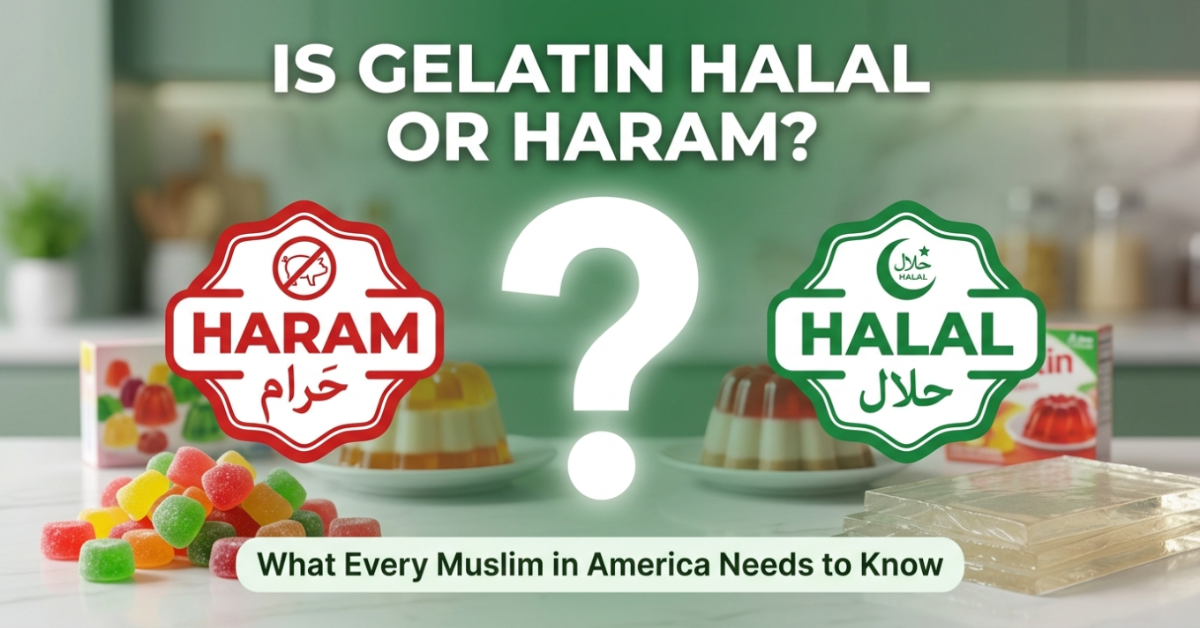
If you’ve ever stood in the grocery store staring at packages labeled “halal” and wondered what that actually means, you’re not alone. Or maybe you’ve walked into a halal restaurant and thought, “What makes this different from any other restaurant?”
The word “halal” is often used loosely, but many people lack a comprehensive understanding of what goes into making meat halal. It’s not just about how the animal is slaughtered. It’s about the entire journey from farm to table, and the standards that ensure every step meets specific religious and ethical requirements.
At Istanbul Grill Restaurant, we’ve been serving authentic halal Mediterranean cuisine across the USA for years. Our customers often ask us about halal certification, what makes our food different, and why it matters. Today, we’re breaking it all down in simple, straightforward terms.
Whether you’re Muslim and want to deepen your understanding, non-Muslim and curious about halal food, or just someone who cares about ethical eating, this guide will give you everything you need to know.
What Does “Halal” Actually Mean?
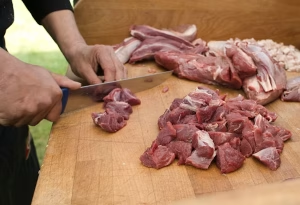
Let’s start with the basics. The word “halal” is Arabic for “permissible” or “lawful.” When we talk about halal food, we’re referring to anything that’s allowed under Islamic dietary laws as outlined in the Quran and Hadith (teachings of Prophet Muhammad).
The opposite of halal is “haram,” which means forbidden. Between halal and haram, there’s also “makruh” (discouraged but not forbidden) and “mashbooh” (doubtful or questionable).
Understanding what makes food halal is simpler than you might think. The guidelines cover everything from the proteins on your plate to the beverages in your glass, creating a clear framework for permissible eating.
When it comes to meat and protein:
- Halal: Beef, lamb, goat, chicken, turkey, and most game meats
- Haram: Pork, boar, carnivorous animals, and birds of prey
- Seafood: Most fish and seafood are permitted, though some scholars debate certain types
For everyday staples:
- Dairy & Eggs: Milk, cheese, yogurt, and eggs are halal when they come from permissible animals and don’t contain forbidden additives
- Drinks: Water, juice, milk, tea, and coffee are all perfectly fine, but alcohol and any intoxicating beverages are completely forbidden
But here’s the important part: even if an animal is from the halal category (like a cow or chicken), the meat only becomes halal if it’s slaughtered according to Islamic law. That’s where things get specific.
The Five Essential Requirements for Halal Meat
For meat to be truly halal, five key conditions must be met. Miss even one, and the meat becomes haram.
1. The Animal Must Be Halal
This seems obvious, but it’s the foundation. The animal must come from the list of permitted animals. Most livestock like cattle, sheep, goats, chickens, and turkeys are halal. Pork is absolutely forbidden, as are carnivorous animals, animals with fangs, birds of prey, and animals not slaughtered properly.
2. The Animal Must Be Healthy and Alive
The animal must be in good health at the time of slaughter. Sick, diseased, or already dead animals cannot produce halal meat. This requirement ensures food safety and quality. Animals that die from natural causes, accidents, or predators are automatically haram.
3. The Slaughterer Must Be Muslim
Islamic law requires that the person performing the slaughter be a sane, adult Muslim who understands the significance of the act. Some scholars also permit slaughter by People of the Book (Jews and Christians), but this varies by interpretation. At Istanbul Grill Restaurant, we ensure all our meat comes from certified Muslim slaughterers.
4. The Name of Allah Must Be Invoked
Before cutting the animal’s throat, the slaughterer must say “Bismillah” (in the name of God) or “Bismillah, Allahu Akbar” (in the name of God, God is the greatest). This invocation is mandatory and shows the spiritual intention behind the act. It’s not just a ritual—it’s a reminder that life is sacred and only taken for sustenance.
5. The Slaughter Must Be Done Properly
The method of slaughter, called “dhabiha” or “zabiha,” has specific requirements:
- A sharp knife must be used to ensure a swift, clean cut
- The cut must sever the throat, windpipe, and major blood vessels in the neck
- The spinal cord must remain intact during the cut
- Blood must be fully drained from the carcass
- The animal should not see the knife or witness other animals being slaughtered
- Death should be as quick and painless as possible
This method is designed to minimize the animal’s suffering while ensuring all blood is removed. In Islamic teaching, consuming blood is forbidden, so complete drainage is critical.
The Halal Slaughter Process: Step by Step
Let’s walk through what actually happens during halal slaughter. Understanding the process helps clear up a lot of misconceptions.
- Before Slaughter: The animal is treated with care and respect. It’s given food and water, kept calm, and not subjected to stress. Islamic teaching emphasizes kindness to animals, even those raised for food.
- During Slaughter: The animal is positioned so it faces Mecca (the Islamic holy city). The slaughterer says “Bismillah, Allahu Akbar” and uses an extremely sharp knife to make a swift, deep cut across the throat. This severs the carotid arteries, jugular veins, windpipe, and esophagus in one motion.
- After Slaughter: Once the animal has been bled completely and is confirmed dead, the carcass is processed. Throughout processing, storage, and transportation, the meat must be kept separate from any haram substances, especially pork and alcohol.
Halal Certification in the USA
In the United States, halal certification isn’t regulated by the government like USDA inspections. Instead, it’s handled by independent Islamic organizations that certify producers, processors, and restaurants.
Major Halal Certification Bodies in the USA:
- Islamic Food and Nutrition Council of America (IFANCA) – One of the largest and most recognized certifiers
- Halal Transactions of Omaha (HTO) – Certifies meat and food products
- Islamic Services of America (ISA) – Works with major food companies
- American Halal Foundation (AHF) – Certifies halal food and cosmetics
- Halal Food Standards Alliance of America (HFSAA) – Focuses on maintaining high standards
When you see a halal logo on packaging or a certificate in a restaurant, it means that organization has inspected and verified that the product meets halal standards. At Istanbul Grill Restaurant, we work with certified suppliers and maintain strict halal protocols in our kitchens.
How to Identify Halal Meat When Shopping
Shopping for halal meat in the USA is easier than ever, but you need to know what to look for.
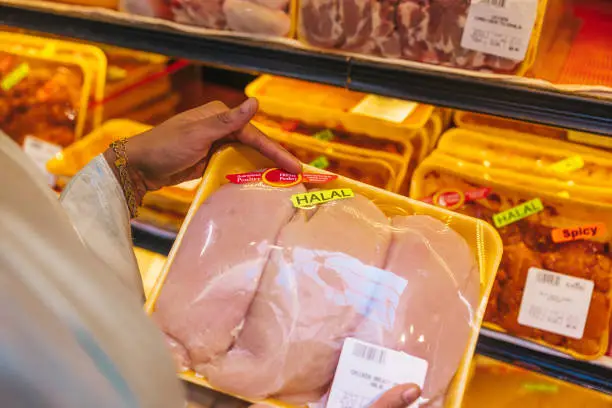
- Look for Certification Logos: Check the packaging for official halal certification symbols. These might say “Halal,” “Zabihah Halal,” or display a logo from one of the certifying organizations mentioned above. If there’s no logo, the meat might not be certified halal even if the store says it is.
- Shop at Halal Butchers: The easiest way to ensure you’re getting halal meat is to shop at a dedicated halal butcher or Middle Eastern grocery store. These shops specialize in halal products and can answer your questions about sourcing and certification.
- Check the Label Details: Look for information about how the animal was slaughtered. Terms like “hand-slaughtered,” “zabiha,” or “halal certified” are good signs. Some packages will even list the certification body.
- Ask Questions: Don’t be shy about asking butchers or store managers about their halal certification. Where does the meat come from? Who certified it? How was it slaughtered? Legitimate halal sellers will be happy to provide this information.
Popular Halal Meat Brands in the USA:
- Crescent Foods (chicken)
- Midamar Halal (beef, lamb, chicken)
- Halal Pastures (grass-fed beef and lamb)
- Olymel (poultry)
- Saffron Road (prepared foods)
What Makes Halal Different from Regular Meat?
People often ask: “What’s the actual difference between halal meat and regular meat from the supermarket?” Here’s the breakdown.
- Slaughter Method: Regular meat may be slaughtered using various methods including stunning (electric shock, gas, or captive bolt), which may render the animal unconscious or dead before cutting. Halal slaughter requires the animal to be alive and conscious when the throat is cut, though some halal certifiers do permit reversible stunning that doesn’t kill the animal.
- Blood Drainage: Halal meat must have all blood completely drained, which is believed to make the meat cleaner and safer. Regular meat may retain more blood in the tissues.
- Religious Invocation: The “Bismillah” invocation is mandatory for halal but not present in conventional slaughter.
- Certification and Oversight: Halal meat goes through additional certification and inspection beyond USDA requirements to ensure religious compliance.
- Cross-Contamination Prevention: Halal meat must be processed, stored, and transported separately from pork and other haram items. Regular meat processing doesn’t have these restrictions.
Halal vs Kosher: What’s the Difference?
Both halal and kosher are religiously-mandated dietary systems, and they share some similarities, but they’re not the same.
What animals are allowed:
- Halal: Beef, lamb, goat, chicken, and most fish are permitted
- Kosher: Same animals, but fish must specifically have fins and scales
- Both forbidden: Pork is absolutely prohibited in both dietary laws
- Key difference: Kosher also forbids shellfish and mixing meat with dairy
Many Muslims will eat kosher meat if halal isn’t available, though not all scholars agree on this. The key difference is that kosher certification doesn’t include the Islamic invocation, which some Muslims consider essential.
Eating Halal at Restaurants in the USA
Finding good halal restaurants in the USA is getting easier, especially in diverse cities. Here’s what to know.
Types of Halal Restaurants:
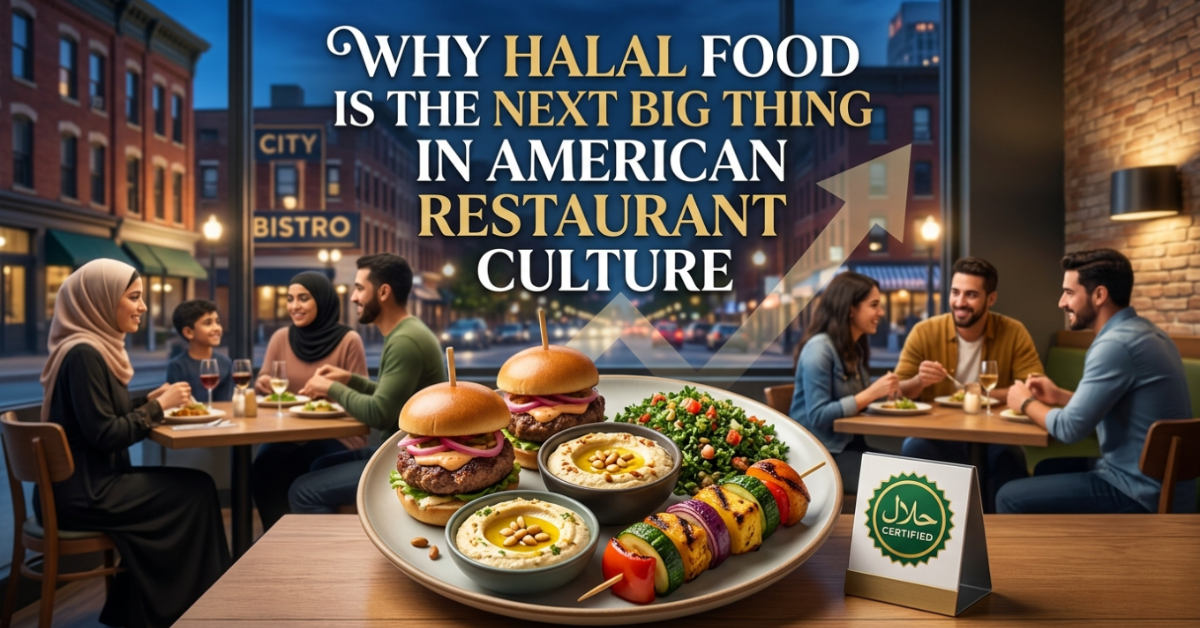
- Fully Halal Certified: Everything on the menu is halal, and the entire kitchen operates under halal standards. No pork, no alcohol, and all meat is properly certified. Istanbul Grill Restaurant falls into this category.
- Halal Options: The restaurant offers some halal dishes but also serves non-halal items. Ask about cross-contamination practices.
- Halal-Friendly: The restaurant tries to accommodate halal diners but isn’t certified. Proceed with caution and ask detailed questions.
Questions to Ask:
- Is your meat certified halal? By which organization?
- Do you serve pork or alcohol?
- Are halal and non-halal foods prepared in the same kitchen?
- Do you use separate equipment for halal food?
- Are any sauces or ingredients made with alcohol?
Popular Halal Cuisine in the USA:
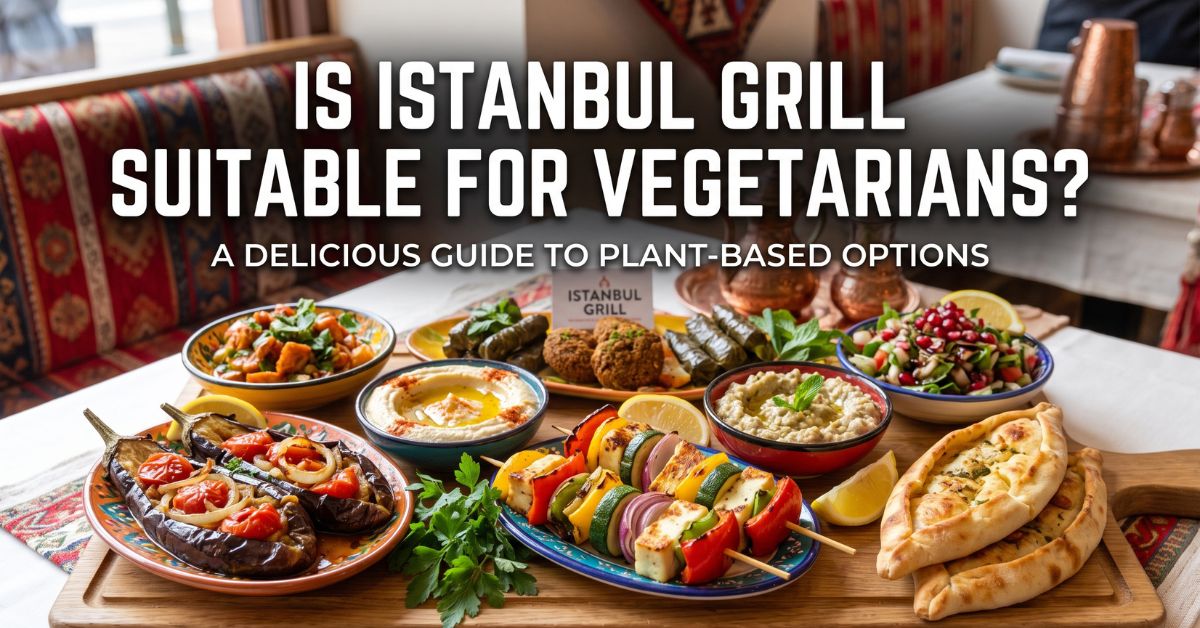
- Middle Eastern (kebabs, shawarma, falafel)
- Pakistani/Indian (biryani, kebabs, curry)
- Turkish (doner, kofte, pide)
- Mediterranean (gyros, grilled meats)
- American (halal burgers, fried chicken)
Why Some People Choose Halal (Beyond Religion)
While halal is a religious requirement for Muslims, many non-Muslims are also choosing halal meat. Here’s why:
- Animal Welfare: Halal standards require animals to be treated humanely, with access to food, water, and space. The quick slaughter method is designed to minimize suffering.
- Transparency: Halal certification provides traceability from farm to table. You know where your meat came from and how it was processed.
- Food Safety: Complete blood drainage removes a medium where bacteria can grow, potentially making the meat safer.
- Quality Standards: Animals must be healthy at slaughter, which often correlates with better overall meat quality.
- Ethical Values: Many people appreciate that halal represents mindful eating with spiritual intention rather than purely industrial food production.
Final Thoughts
Understanding what makes meat halal goes beyond just knowing about slaughter methods. It’s about recognizing a complete system of ethical eating that values animal welfare, cleanliness, transparency, and spiritual mindfulness.
At Istanbul Grill Restaurant, we take our halal commitment seriously. From sourcing certified suppliers to maintaining strict kitchen protocols, we ensure every dish we serve meets the highest halal standards. It’s not just about following rules—it’s about honoring values that have been passed down for over 1,400 years.
Next time you see that halal label, you’ll know exactly what it means and why it matters.
Got questions about halal meat or halal dining? Drop them in the comments below! We love hearing from our community and helping people understand halal food better.
Common Questions About Halal Meat
Is halal meat more expensive?
It can be, mainly because halal certification adds extra costs and halal meat is often sold in smaller, specialized markets. However, prices at dedicated halal butchers are often competitive with regular grocery stores.
Can non-Muslims eat halal meat?
Absolutely! Halal meat is permissible for everyone. Many non-Muslims choose halal meat because they appreciate the humane treatment standards and the transparency of the certification process.
Is all chicken/beef in Muslim countries halal?
Not automatically. Even in Muslim-majority countries, meat must be slaughtered according to halal standards. Some restaurants and stores in those countries may serve non-halal meat, especially in tourist areas.
What about stunning before slaughter?
This is controversial. Traditional halal slaughter doesn't use stunning because the animal must be alive when slaughtered. However, some modern halal certifiers permit reversible stunning (methods that render the animal unconscious but don't kill it). Different Islamic scholars have different opinions on this.
Does "halal-friendly" mean the same as "halal"?
No! "Halal-friendly" usually means a restaurant has some halal options but isn't fully halal certified. The kitchen might prepare both halal and non-halal food, risking cross-contamination. True halal restaurants like Istanbul Grill are 100% halal with certified ingredients and processes.