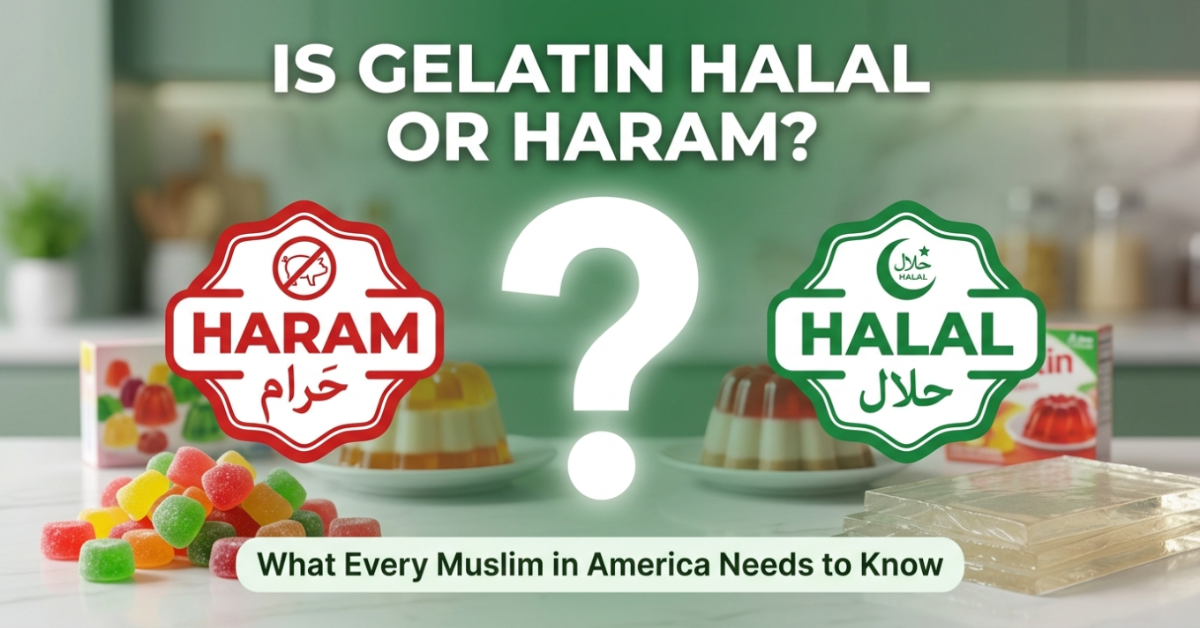
Walking into a grocery store or restaurant can feel overwhelming when you’re trying to follow halal dietary guidelines. You’re standing there, reading ingredient labels, wondering: “Is this gelatin from pork? Does this cheese have animal rennet? Can I eat at this restaurant?” If these questions sound familiar, you’re not alone.
Whether you’re a Muslim who wants to deepen your understanding of what makes food halal or haram, a parent raising children with these values, or someone genuinely curious about what guides the dietary choices of over 1.8 billion people worldwide, this guide is for you. We’re going to break down Islamic dietary laws in a way that’s clear, practical, and easy to apply in everyday American life.
Understanding halal and haram isn’t just about following religious rules—it’s about making thoughtful choices, respecting traditions that have existed for over 1,400 years, and sometimes, it’s simply about knowing what you’re putting in your body. Let’s dive in.
Understanding Halal and Haram: The Foundation
Before we dive into specific foods, it’s essential to understand what these terms actually mean.
- Halal is an Arabic word meaning “permissible” or “lawful.” When applied to food, it refers to anything that Muslims are allowed to eat and drink according to Islamic law. Think of it as the green light in Islamic dietary guidelines.
- Haram means “forbidden” or “prohibited.” These are foods and drinks that Muslims are strictly instructed to avoid. It’s the red light that signals “do not consume.
These aren’t arbitrary rules—they’re rooted in Islamic teachings from the Quran (Islam’s holy book) and the Hadith (the sayings and practices of Prophet Muhammad, peace be upon him). For Muslims, following these guidelines is an act of worship and obedience to God’s commandments. According to the Islamic Society of North America (ISNA), one of the largest Muslim organizations in the United States, these dietary laws are fundamental to Islamic practice and daily life
The Quran states clearly:
“O humanity! Eat from what is lawful and good on the earth and do not follow Satan’s footsteps. He is truly your sworn enemy.” – Quran 2:168
This verse emphasizes that dietary laws serve both spiritual and practical purposes—protecting believers from harm while maintaining spiritual purity.
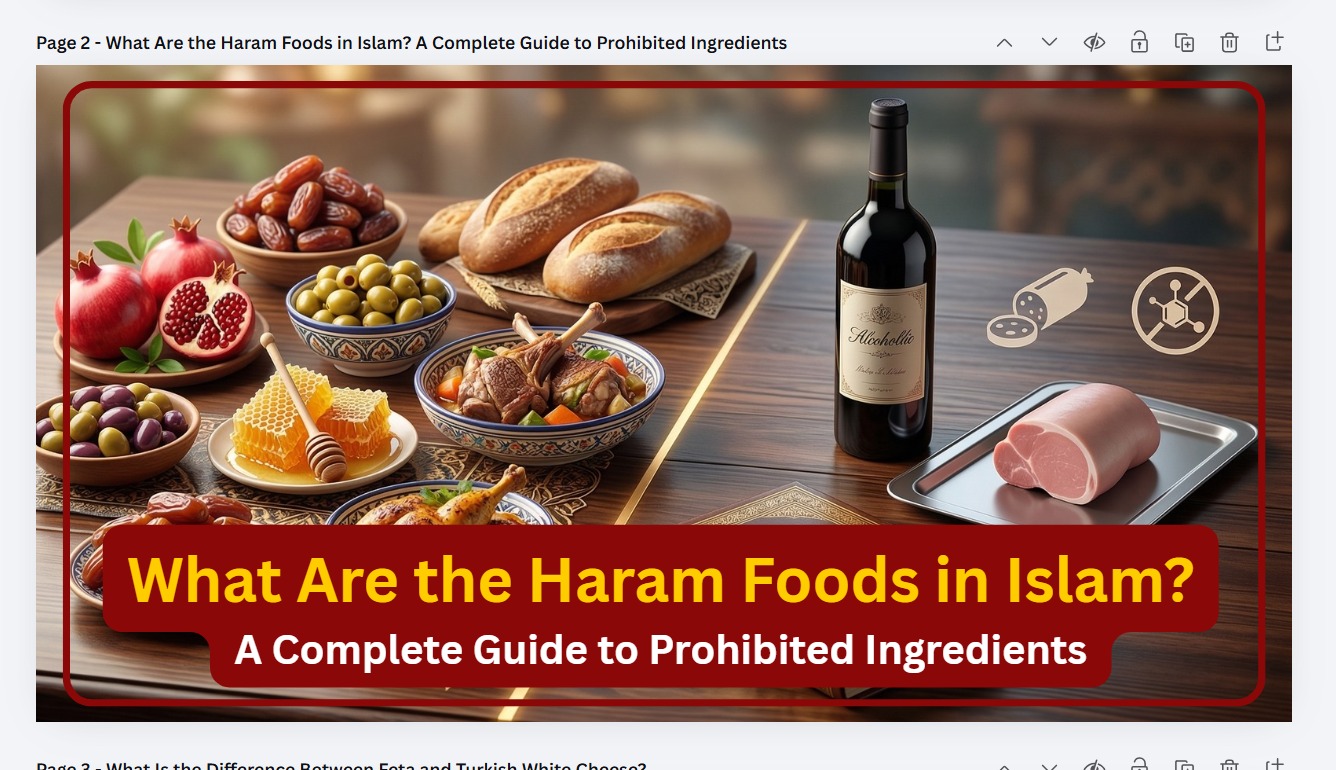
The Complete List of Haram Foods in Islam
Let’s break down exactly what foods are considered haram, organized by category for easy understanding.
1. Pork and All Pork Products
This is perhaps the most well-known prohibition in Islamic dietary law. Pork is strictly forbidden in all its forms, including:
- Fresh pork meat
- Ham, bacon, and sausages
- Pork-based gelatin
- Lard (pig fat)
- Any food cooked with pork fat or containing pork derivatives
The prohibition is explicit in the Quran:
“Forbidden to you (for food) are: dead meat, blood, the flesh of swine…” – Quran 5:3
Why is pork forbidden? While the Quran doesn’t provide detailed reasoning (and Muslims accept it as divine wisdom), many scholars note that pigs can carry parasites and diseases that posed serious health risks, especially before modern food safety standards. The U.S.
2. Blood and Blood By-Products
Consuming blood in any form is prohibited. This includes:
- Animal blood
- Blood sausages (like black pudding)
- Foods containing blood as an ingredient
This is why halal meat must be slaughtered in a way that allows maximum blood drainage from the animal’s body.
3. Alcohol and Intoxicants
All alcoholic beverages and intoxicating substances are strictly haram:
- Wine, beer, spirits, and liqueurs
- Cooking wine (even if alcohol “cooks off”)
- Foods containing alcohol as an ingredient
- Drugs and narcotics (except prescribed medications)
The Quran is clear about intoxicants:
“O you who believe! Intoxicants and gambling, stones, and divination arrows are an abomination of Satan’s handiwork. So avoid them that you may be successful.” – Quran 5:90
Important note: Trace amounts of naturally occurring alcohol in foods like bread or soy sauce (from fermentation) are generally considered permissible, as they don’t cause intoxication.
4. Improperly Slaughtered Animals
Even animals that are normally halal become haram if they’re not slaughtered according to Islamic law. This includes:
- Animals that died before proper slaughter (carrion)
- Animals killed by strangulation, beating, or falling
- Animals partially eaten by predators
- Animals slaughtered without invoking God’s name
- Animals sacrificed to idols or other deities
For meat to be halal, it must come from a lawful animal slaughtered by the Islamic method called Zabiha or Dhabiha.
5. Carnivorous Animals and Birds of Prey
Animals that hunt and kill other animals are generally prohibited:
Carnivorous Land Animals:
- Lions, tigers, wolves, foxes
- Dogs, cats, bears
- Any animal with fangs used for hunting
Birds of Prey:
- Eagles, hawks, falcons
- Vultures, owls
- Any bird with sharp talons used for hunting
The general principle is that predatory animals that kill their prey with fangs or talons are not permissible to eat.
6. Reptiles, Insects, and Certain Other Animals
Most reptiles and insects are considered haram:
- Snakes, lizards, crocodiles
- Frogs, turtles
- Most insects (with some exceptions like locusts in certain schools of thought)
- Rodents like rats and mice
- Mules and donkeys
7. Contaminated Foods
Food that has come into contact with haram substances may itself become haram:
- Halal meat cooked in the same pan as pork
- Food prepared with utensils used for haram items
- Cross-contamination during processing or storage
This is why many Muslims prefer to dine at certified halal restaurants or prepare food at home where they can control the entire process.
Quick Reference: Haram Foods at a Glance
Understanding what’s forbidden can be simplified into eight main categories. Here’s a quick visual breakdown:
- PORK PRODUCTS
Everything from the pig is prohibited—bacon, ham, pork chops, sausages, lard, and even pork-derived gelatin. The Quran explicitly forbids the consumption of swine in multiple verses. - ALCOHOL & INTOXICANTS
All alcoholic beverages are strictly forbidden, including wine, beer, liquor, and even cooking wine. This extends to narcotics and any substance that impairs judgment or causes intoxication. - BLOOD
Consuming blood in any form is prohibited, which is why halal slaughter methods ensure complete blood drainage. This includes blood sausages, black pudding, and dishes prepared with blood as an ingredient. - IMPROPERLY SLAUGHTERED ANIMALS
Even normally halal animals become forbidden if not slaughtered according to Islamic law (zabiha). This includes animals that died naturally, were killed by strangulation or beating, or weren’t slaughtered with God’s name invoked. - CARNIVOROUS ANIMALS
Predatory animals that hunt with fangs are not permissible—lions, tigers, wolves, bears, dogs, and cats all fall into this category. - BIRDS OF PREY
Birds that hunt with sharp talons are forbidden, including eagles, hawks, falcons, vultures, and owls. - REPTILES & RODENTS
Snakes, lizards, crocodiles, frogs, turtles, rats, and mice are all considered haram, as are most insects (with some scholarly exceptions for locusts). - CONTAMINATED FOODS
Halal food that comes into contact with haram substances becomes contaminated and therefore prohibited—like halal meat cooked in the same pan as pork, or food prepared with utensils previously used for forbidden items.
Understanding Islamic Dietary Concepts
Beyond just halal and haram, Islamic dietary law includes several other important categories:
- Makrooh (Discouraged)
- Makrooh refers to foods that are discouraged but not sinful. It’s better to avoid them, but consuming them doesn’t break Islamic law. Examples might include foods of questionable nutritional value or items that could potentially lead to harm.
- Mashbooh (Doubtful)
- Mashbooh describes foods in a gray area—where it’s unclear whether they’re halal or haram. The Fiqh Council of North America, which provides Islamic legal rulings on contemporary issues, advises Muslims to exercise caution with doubtful foods Muslims are encouraged to avoid mashbooh items to be on the safe side. The Prophet Muhammad (peace be upon him) advised:
“Leave what makes you doubt for what does not make you doubt.”
Common mashbooh situations include:
- Foods with unclear ingredient sourcing
- Products without clear halal certification
- Items containing ambiguous additives
When in doubt, it’s best to ask or choose an alternative you’re certain about.
The Islamic Method of Slaughter: Zabiha Explained
You might be wondering: “What exactly makes meat halal? Isn’t all chicken just chicken?” Not quite. The method of slaughter is just as important as the type of animal. This is where zabiha (also spelled dhabiha) comes in—it’s the Islamic way of slaughtering animals for food.
Some people hear about zabiha and immediately think it sounds complicated or maybe even harsh. But when you understand the purpose behind it—minimizing the animal’s suffering while ensuring the meat is pure and wholesome—it actually makes a lot of sense. Here’s what the process involves:
- The Animal Must Be Halal Only lawful animals (like cows, sheep, goats, chickens, etc.) can be slaughtered for consumption.
- The Slaughterer Must Be Muslim The person performing the slaughter should be a Muslim, Christian, or Jew who understands the process.
- Invocation of God’s Name Before slaughter, the person must say “Bismillah, Allahu Akbar” (In the name of God, God is the Greatest). This is essential.
- Swift and Humane Method Using a very sharp knife, a swift cut is made across the throat, cutting the major blood vessels while leaving the spinal cord intact. This causes rapid unconsciousness and allows complete blood drainage.
- The Animal Must Be Alive The animal must be alive and healthy at the time of slaughter. Animals that die before proper slaughter are not halal.
This method emphasizes minimizing the animal’s suffering while ensuring the meat is pure and wholesome.
Hidden Haram Ingredients: What to Watch Out For
Here’s where things get tricky. You might think you’re being careful, avoiding the obvious stuff like bacon and beer. But then you grab what seems like an innocent bag of gummy bears, and surprise—they contain pork gelatin. Or you’re baking at home with your kids, using what you thought was just “vanilla extract,” only to realize later it’s loaded with alcohol.
This is the reality for Muslims living in America. Modern processed foods are complicated, with ingredient lists that read like chemistry textbooks. Companies source materials from all over the world, and what’s halal in one product might be haram in another from the same brand. It’s frustrating, but knowledge is power. Let’s talk about the most common hidden haram ingredients you need to watch for:
- Gelatin
- Enzymes
- Mono and Diglycerides
- L-Cysteine
- Natural and Artificial Flavors
- Vanilla Extract
The Importance of Halal Certification in America
So you’re standing in the aisle at Whole Foods, holding two similar products. One has a little halal symbol, the other doesn’t. The one with the symbol costs a bit more. Is it really worth it?
For many Muslims, the answer is a resounding yes. Halal certification isn’t just a fancy logo—it’s peace of mind. It means someone else has already done the detective work for you. They’ve checked the ingredients, verified the suppliers, inspected the facility, and confirmed that everything meets Islamic dietary standards.
Think of it like this: without certification, you’re on your own, trying to figure out if that “natural flavoring” contains alcohol or if those “enzymes” come from pork. With certification, experts have already vetted everything. You can grab it, toss it in your cart, and move on with your day.
What Is Halal Certification?
Halal certification is a process where an authorized Islamic organization inspects and verifies that a food product, its ingredients, and its production process comply with Islamic dietary laws. Products that pass receive a halal certification mark or logo.
Trusted Halal Certifiers in the USA
Several organizations provide halal certification in America:
- Islamic Food and Nutrition Council of America (IFANCA)
- Islamic Services of America (ISA)
- Halal Food Council USA (HFC-USA)
- Halal Transactions of Omaha (HTO)
- American Halal Foundation (AHF)
When shopping, look for certification logos from these or other reputable organizations.
Why Certification Matters
- Peace of Mind: You know the product has been thoroughly vetted
- Hidden Ingredients: Certification catches haram ingredients you might miss
- Cross-Contamination: Certifiers ensure production facilities maintain halal standards
- Complex Supply Chains: Modern food production is complicated; certification helps navigate this
Halal vs. Haram: A Side-by-Side Comparison
Let’s break down common food categories to understand what’s permissible and what’s forbidden:
🥩 RED MEAT
Halal: Beef, lamb, goat, and venison are all permissible when slaughtered according to zabiha method
Haram: Pork, wild boar, and any meat not slaughtered according to Islamic law
🍗 POULTRY
Halal: Chicken, turkey, duck, and quail are permissible when properly slaughtered
Haram: Non-zabiha poultry and all birds of prey (those that hunt with talons)
🐟 SEAFOOD
Halal: All fish, shrimp, crab, and lobster are generally permissible (note: some Islamic schools have different interpretations on shellfish)
Haram: Dishes prepared with blood as an ingredient
🥛 DAIRY PRODUCTS
Halal: Milk, butter, yogurt, and cheese made with halal enzymes or plant-based rennet
Haram: Dairy products containing haram gelatin, pork-derived enzymes, or non-halal rennet
🌾 GRAINS & LEGUMES
Halal: Rice, wheat, oats, barley, lentils, and beans in their natural form
Haram: Grains processed or cooked with haram ingredients like lard or alcohol
🍎 FRUITS & VEGETABLES
Halal: All fresh fruits and vegetables are naturally permissible
Haram: Those cooked or prepared with forbidden ingredients like wine or pork fat
🥤 BEVERAGES
Halal: Water, milk, 100% fruit juices, and halal-certified sodas
Haram: All alcoholic beverages including wine, beer, and liquor
🍰 SWEETS & DESSERTS
Halal: Halal-certified candies, desserts, and baked goods
Haram: Sweets containing pork gelatin, alcohol, or vanilla extract with alcohol
Important Note: While most fish and seafood are considered halal, some Islamic schools of thought have specific guidelines about shellfish. Similarly, cheese must be made with halal or microbial rennet, not enzymes from non-halal sources.
Dining Out: Questions to Ask at Restaurants
Let’s be real—asking questions at restaurants can feel awkward. You don’t want to be “that person” holding up the line or making the server uncomfortable. But here’s the thing: it’s your right to know what you’re eating, and most restaurant staff are happy to help once you explain.
I’ve found that approaching it with a friendly smile and a simple explanation works best. Something like: “Hi! I follow a halal diet for religious reasons—do you mind if I ask a few quick questions about the menu?” Most servers will appreciate the heads-up and will either know the answers or check with the kitchen for you.
Here are the key questions you should always ask:
1. “Is your meat halal-certified?” Don’t assume—ask directly. Some restaurants may use terms like “Mediterranean” or “Middle Eastern” without being halal.
2. “What type of oil do you use for cooking?” Ensure it’s vegetable oil, not lard or animal fat.
3. “Do you serve pork or alcohol?” If yes, ask about cross-contamination prevention.
4. “Are your frying oils shared?” Fries cooked in the same oil as pork products aren’t halal.
5. “Does your cheese contain animal rennet?” Many cheeses use enzymes from non-halal sources.
6. “What gelatin is used in desserts?” Tiramisu, mousses, and many desserts contain gelatin.
Many restaurants, including Turkish, Middle Eastern, and Mediterranean establishments, understand these concerns and are happy to provide information. Don’t hesitate to ask—it’s your right to know what you’re eating.
Health and Spiritual Benefits of Following Halal Guidelines
Beyond religious obedience, following halal dietary laws offers several benefits:
Health Benefits
- No Pork-Related Diseases: Avoiding pork eliminates exposure to trichinosis and other pork-borne illnesses
- Proper Blood Drainage: Zabiha slaughter ensures maximum blood removal, reducing bacterial growth
- No Alcohol: Avoiding alcohol prevents associated health issues
- Quality Standards: Halal certification often includes hygiene and quality checks
- Humane Treatment: Animals must be healthy before slaughter
Spiritual Benefits
- Obedience to God: Following divine commandments brings spiritual peace
- Mindful Eating: Constant awareness of what you consume promotes consciousness
- Discipline: Dietary restrictions build self-control
- Community: Shared dietary practices strengthen Muslim communities
- Gratitude: Recognizing food as a blessing from God
Common Misconceptions About Haram Foods
Let’s clear up some things you’ve probably heard at parties, seen on social media, or maybe even believed yourself at some point. These misconceptions come up all the time, and they’re worth addressing:
Misconception #1: “Halal is just about how animals are killed”
The Reality: If only it were that simple! Halal covers the entire journey of food—from what the animal ate while it was alive, to how it was transported, to how the meat was processed and stored, all the way to how it’s cooked. A zabiha-slaughtered chicken cooked in pork fat? Not halal. See? It’s bigger than just the moment of slaughter.
Misconception #2: “All seafood is automatically halal”
The Reality: This one’s actually a bit nuanced. Most Islamic scholars agree that fish and seafood are halal, but there’s some debate depending on which school of Islamic thought you follow. Some say all seafood is fine, others exclude certain shellfish. The majority view is that it’s all good, but if you’re strict about following a particular madhab (school of thought), double-check.
Misconception #3: “If alcohol cooks off, it’s halal”
The Reality: Nope. This is a common one, especially with people who love cooking with wine. They’ll say, “But the alcohol evaporates when you cook it!” The issue isn’t just the alcohol content in the final dish—it’s that wine itself is haram. Most scholars agree that cooking doesn’t change this. That chicken marsala? Still not halal, even if all the wine “burned off.”
Misconception #4: “Kosher and halal are the same thing”
The Reality: They’re cousins, not twins. Both kosher (Jewish dietary law) and halal share similar ideas—no pork, specific slaughter methods, cleanliness standards. But they’re not identical. One key difference: halal requires God’s name to be invoked at the moment of slaughter (“Bismillah, Allahu Akbar”), which isn’t a kosher requirement. So no, that kosher meat at the grocery store isn’t automatically halal.
Misconception #5: “Halal food is only for Muslims”
The Reality: Anyone can eat halal food! You don’t need to be Muslim to enjoy zabiha-slaughtered chicken or to appreciate food that’s been prepared with care and ethical standards. In fact, lots of non-Muslims choose halal meat because they appreciate the humane treatment of animals and the cleanliness standards. Halal isn’t exclusive—it’s just a set of guidelines that happens to align with Islamic beliefs.
Practical Tips for Maintaining a Halal Diet in America
Living in a country where halal isn’t the default can be challenging, but it’s definitely doable. I’ve learned (sometimes the hard way) that a little preparation goes a long way. You’ll develop your own system over time, but here are some strategies that have worked for many Muslims living in the U.S.:
At the Grocery Store
The grocery store can feel like a minefield at first. You’re trying to read tiny ingredient labels under fluorescent lights, squinting at words you can barely pronounce. Here’s what makes it easier:
✓ Read ingredient labels carefully
✓ Look for halal certification logos
✓ Download halal food scanner apps
✓ Shop at halal markets when possible
✓ Join online Muslim communities for product recommendations
When Traveling
✓ Research halal restaurants before your trip
✓ Use halal restaurant finder apps (Zabihah, HalalTrip)
✓ Pack halal snacks for emergencies
✓ Stay in accommodations with kitchen facilities
✓ Don’t be shy about asking restaurant staff questions
At Social Events
✓ Politely explain your dietary restrictions
✓ Offer to bring a halal dish to share
✓ Eat beforehand if unsure about options
✓ Thank hosts for their understanding
✓ Focus on halal options like fruits, vegetables, and grains
At Work
✓ Pack your lunch when possible
✓ Inform colleagues about dietary needs
✓ Suggest halal-friendly restaurants for team lunches
✓ Keep halal snacks at your desk
✓ Be patient and educational when explaining
Special Dietary Situations
Medications
Islam recognizes that health is paramount. If no halal alternative exists for a necessary medication (even if it contains gelatin or other questionable ingredients), it’s generally permissible to take it. Always consult with both your doctor and a knowledgeable Islamic scholar.
Emergency Situations
Islamic law includes the principle of necessity (dharura). In life-threatening situations where no halal food is available, a Muslim may consume haram food to survive. However, this is limited strictly to survival needs.
Unintentional Consumption
If you accidentally eat something haram without knowing, there’s no sin upon you. Islam judges by intention. Once you realize, simply avoid it going forward.
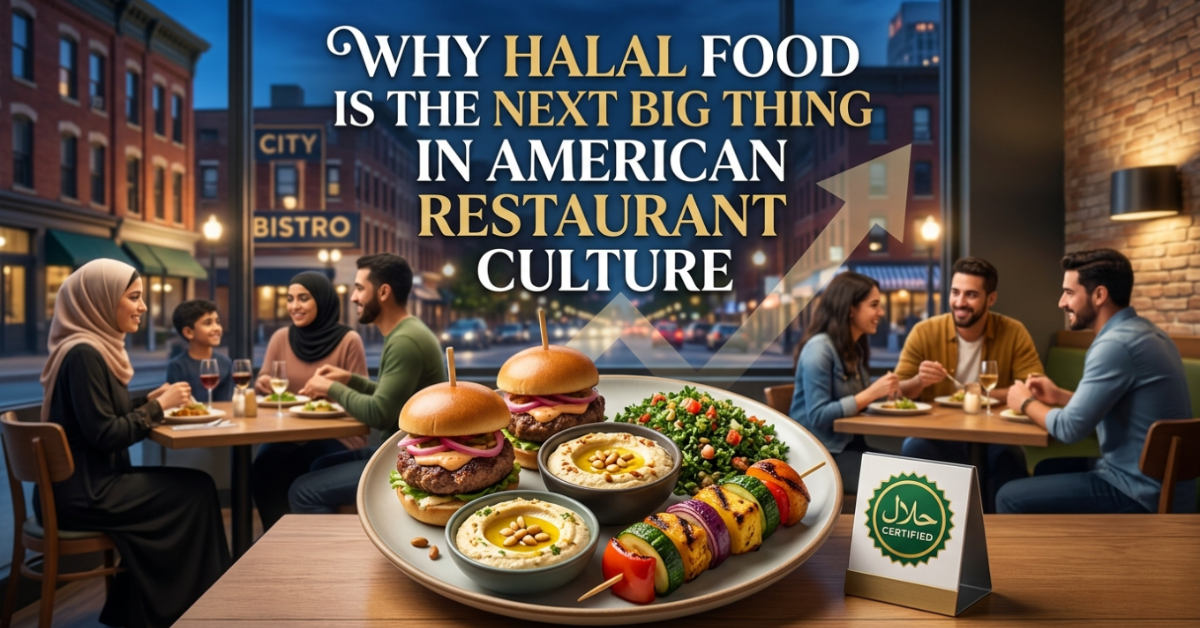
The Growing Halal Market in America
The halal food industry in America is booming, making it easier than ever to maintain a halal diet:
- Market Size: The U.S. halal food market was valued at over $20 billion and continues growing
- Major Retailers: Walmart, Whole Foods, and other chains now stock halal products
- Restaurants: Halal dining options are expanding in major cities
- Technology: Apps make finding halal food easier than ever
- Certification: More American products seeking halal certification
This growth reflects both the increasing Muslim population and non-Muslim interest in halal food for its quality and ethical standards.
Frequently Asked Questions
What happens if I accidentally eat haram food?
If you consumed it unknowingly, there’s no sin. Islam judges by intention. Simply avoid it once you become aware. If someone deliberately deceived you, the sin is on them, not you.
Can I eat at non-halal restaurants?l
Yes, but stick to items you’re certain are halal—like vegetarian dishes, fish, or foods with clear halal ingredients. Always ask about preparation methods and ingredients.
Is kosher meat halal?
Not automatically. While kosher and halal share similarities, they have different requirements. Specifically, halal requires God’s name to be invoked at slaughter, which isn’t a kosher requirement.
What about stunning animals before slaughter?
This is debated among scholars. Some permit it if the animal is still alive when slaughtered; others don’t. Look for certification from organizations whose stance aligns with your understanding.
Are McDonald’s fries halal in America?
In the U.S., McDonald’s uses beef flavoring in their fries and doesn’t certify them as halal. Always check with individual locations and companies about their current practices.
Can I eat at a restaurant that serves both halal and non-halal food?
Many Muslims do, but ask about cross-contamination prevention. Ideally, halal food should be prepared with separate utensils and surfaces.
Is cheese halal?
It depends on the rennet used. Cheese made with microbial or plant-based enzymes is halal. Animal rennet must come from halal-slaughtered animals. Check labels or look for halal certification.
What gelatin is halal?
Gelatin from halal-slaughtered cattle, fish gelatin, or plant-based alternatives like agar-agar are halal. Pork gelatin is always haram.
Can I eat food cooked by non-Muslims?
Yes, as long as the ingredients are halal and preparation follows halal guidelines. Many Muslims eat at non-Muslim establishments regularly.
Is vanilla extract halal?
Traditional vanilla extract contains alcohol and is considered haram by most scholars. Alcohol-free vanilla flavoring or vanilla powder are halal alternatives.
Conclusion: Making Informed, Faithful Food Choices
At the end of the day, following halal dietary guidelines in America is a journey, not a destination. You’ll make mistakes—we all do. Maybe you’ll accidentally buy marshmallows with pork gelatin, or realize halfway through dinner that the restaurant used wine in the sauce. It happens. What matters is that you’re trying, you’re learning, and you’re making conscious efforts to align your daily choices with your faith.
For Muslims, food isn’t just fuel—it’s a form of worship. Every time you check an ingredient label, ask a question at a restaurant, or choose the halal-certified option, you’re practicing mindfulness. You’re remembering that what you put in your body matters, not just physically, but spiritually.
And for non-Muslims reading this, thank you for taking the time to understand. Whether you’re here because you have Muslim friends or family, you’re in an interfaith relationship, or you’re just genuinely curious—your willingness to learn means a lot. Cultural and religious understanding starts with simple questions like “What can you eat?”
The halal food landscape in America is improving every year. More restaurants are getting certified, more products are being labeled, and more communities are coming together to share resources. It’s getting easier, but it still requires effort and intention.
Remember the basics: avoid pork, alcohol, blood, improperly slaughtered meat, predatory animals, and contaminated foods. When in doubt, ask. Read labels. Look for certification. Support businesses that respect and understand halal requirements. And most importantly, approach it all with patience—both with yourself and with others who are learning alongside you.
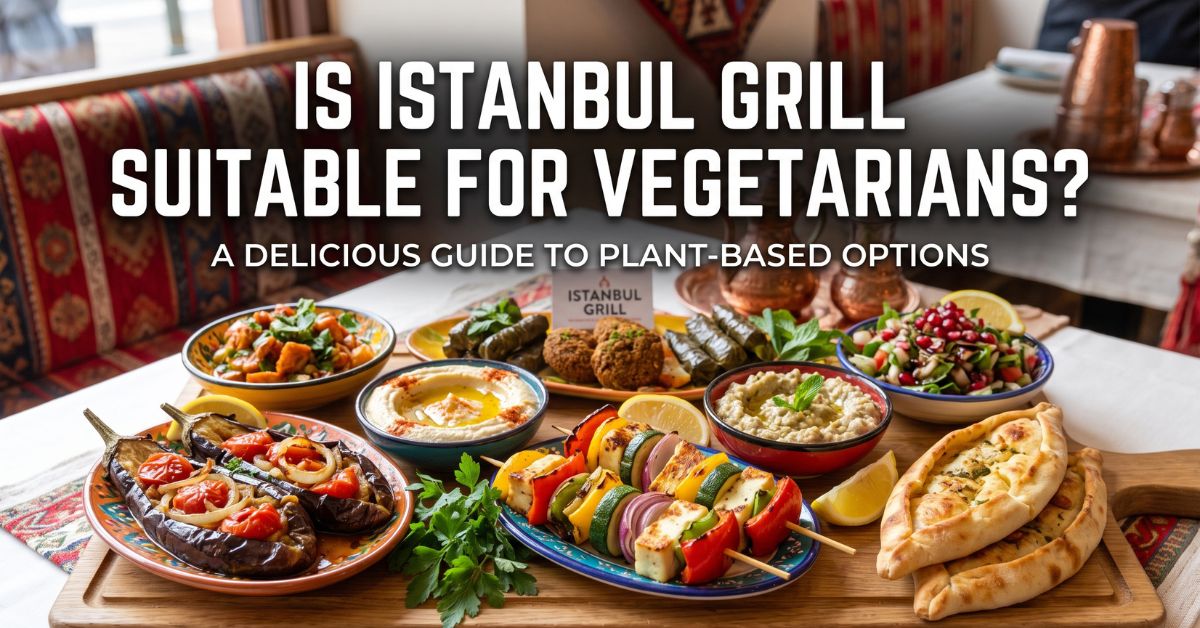
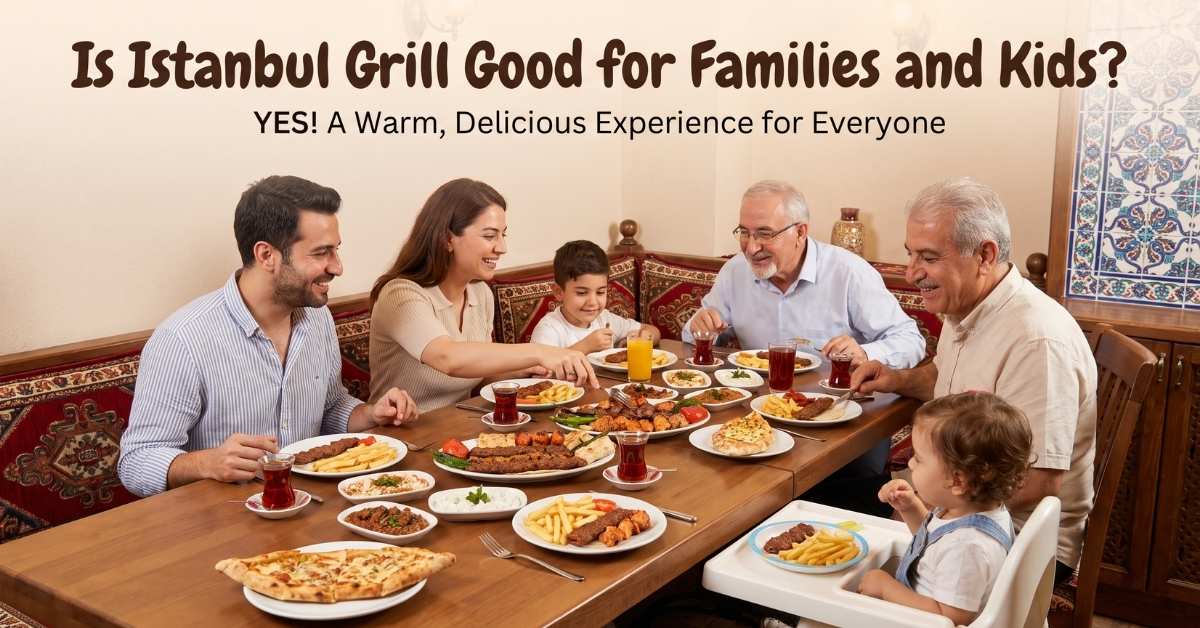
Looking for a place where you can just relax and enjoy your meal without worrying about any of this? That’s exactly why we started Istanbul Grill. We understand the stress of constantly checking ingredients and asking questions. Every single item on our menu is 100% halal-certified—from the way we source our meats (all zabiha-slaughtered) to the oils we cook with, to the cheese on your pide.
You can walk in, sit down, and actually enjoy the experience of dining out without the mental checklist running through your head. We’re not just serving Turkish food; we’re creating a space where the Muslim community (and anyone who appreciates quality halal food) can eat with complete peace of mind. Come experience the difference that truly authentic, faithfully prepared halal Turkish cuisine makes.
Visit Istanbul Grill—where halal isn’t an afterthought, it’s our foundation.