Thinking about eating less meat or going fully vegetarian? You are not alone. Millions of Americans are choosing vegetarian diets for better health, and the results speak for themselves. At Istnabul grill, we have watched our customers thrive on Mediterranean vegetarian dishes for years, and today we are sharing why this lifestyle works so well.
A vegetarian diet is not about giving up good food. It is about discovering delicious plant-based meals that make your body feel amazing. The best part? You do not need to change everything overnight.
What is a Vegetarian Diet?
A vegetarian diet means eating mostly plant-based foods and avoiding meat. However, vegetarian diets come in different types. According to the Academy of Nutrition and Dietetics, there are several approaches to vegetarian eating:
- Lacto-ovo vegetarian is the most common type. People following this diet eat fruits, vegetables, grains, beans, nuts, eggs, and dairy products like milk and cheese. They avoid meat, poultry, and fish.
- Lacto-vegetarian means eating dairy products but no eggs, meat, poultry, or fish.
- Ovo-vegetarian means eating eggs but no dairy, meat, poultry, or fish.
- Vegan means eating only plant foods. No meat, fish, eggs, or dairy products at all.
- Flexitarian describes people who eat mostly vegetarian but occasionally have meat or fish.
At Istanbul Grill Restaurant, most of our vegetarian customers follow a lacto-ovo vegetarian diet because it gives them the most flexibility while dining out.
Top Health Benefits of Going Vegetarian
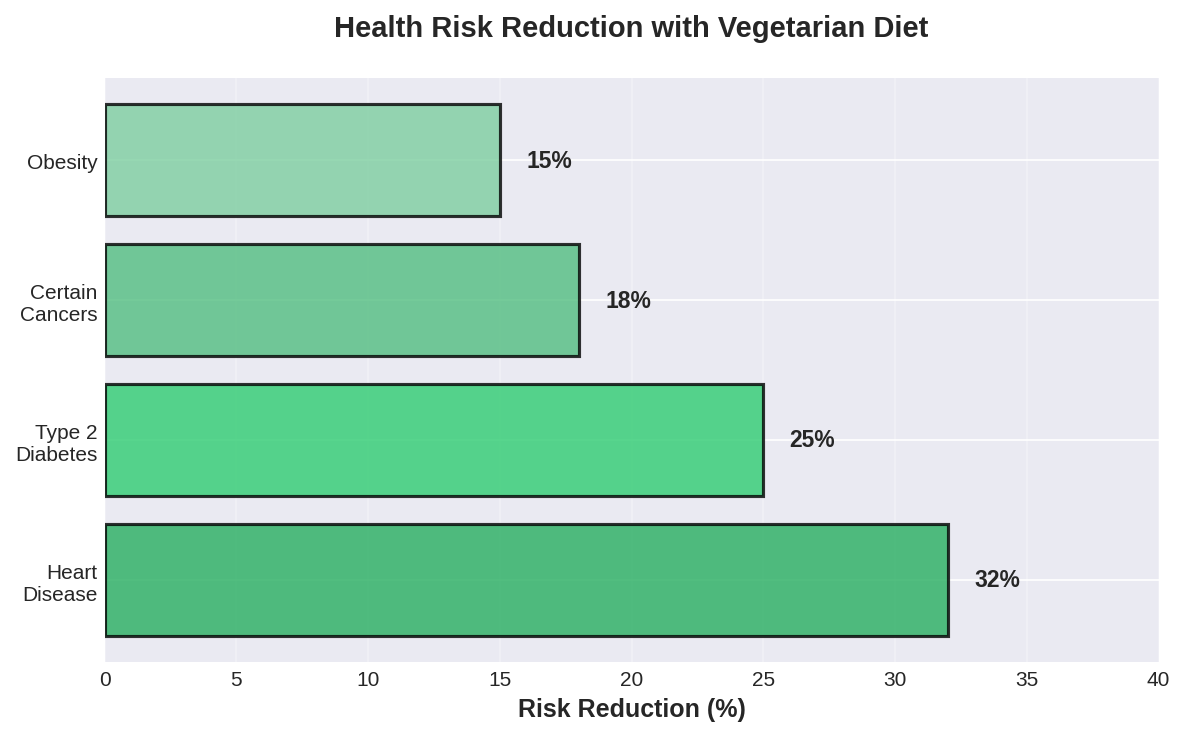
Research from leading health organizations demonstrates significant health improvements from vegetarian diets. Let’s explore the evidence-based benefits backed by studies.
Better Heart Health
Vegetarian diets protect your heart. Studies from the American Heart Association show that people who eat vegetarian have lower cholesterol levels and healthier blood pressure compared to meat eaters. Plant foods contain no cholesterol and very little saturated fat, which are the main culprits that clog arteries.
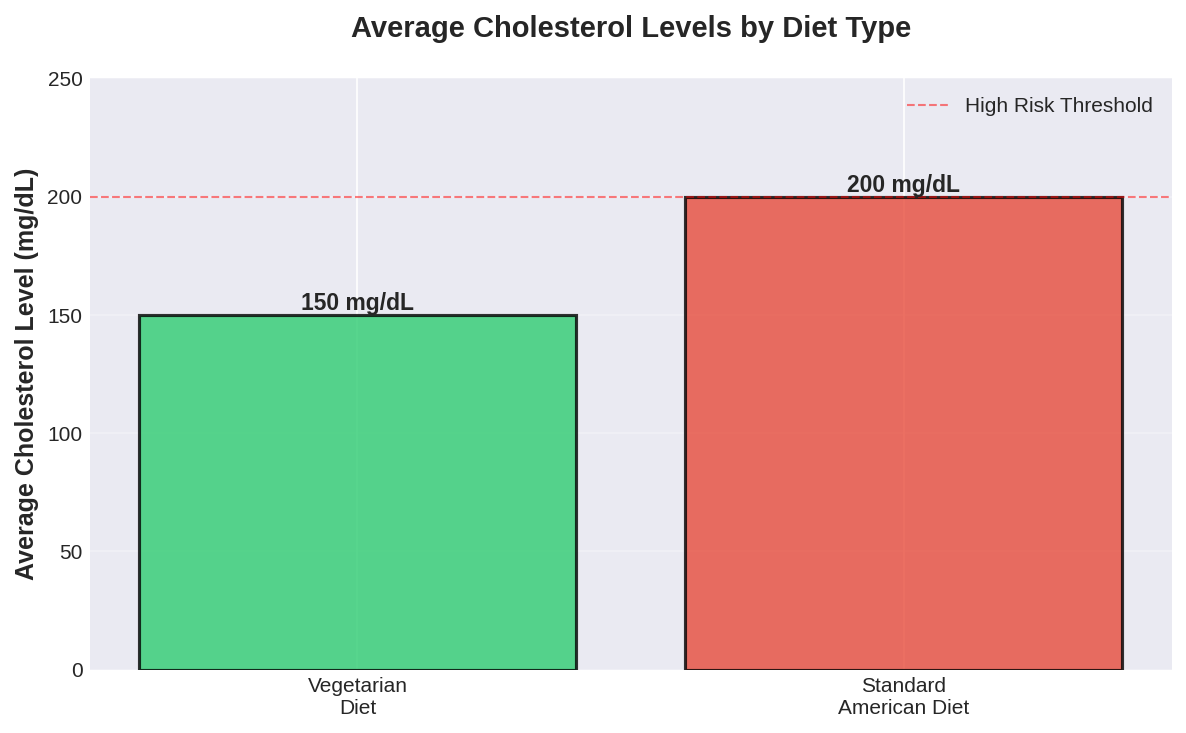
Vegetables, fruits, whole grains, and beans contain fiber that actually helps remove cholesterol from your body. At our restaurant, we see customers who switched to our Mediterranean vegetarian options report lower cholesterol numbers at their doctor visits.
Weight Loss Made Easier
Plant-based foods naturally have fewer calories than meat-based foods. Research published in the Journal of the American College of Nutrition shows that vegetarians typically have lower body mass indexes (BMI) than non-vegetarians. A big plate of vegetables, beans, and grains fills you up without packing on pounds. Many people lose weight simply by switching to vegetarian eating without even counting calories.
Vegetarian diets are high in fiber, which keeps you feeling full longer. You eat less throughout the day because you are actually satisfied, not starving.
Lower Diabetes Risk
Research shows that vegetarian diets significantly reduce your risk of developing type 2 diabetes. According to studies cited by Harvard T.H. Chan School of Public Health, plant foods help control blood sugar levels better than diets high in meat and processed foods. If you already have diabetes, a vegetarian diet can help you manage it better. The fiber in plant foods slows down sugar absorption, preventing those dangerous blood sugar spikes.
Reduced Cancer Risk
Multiple studies link vegetarian diets to lower rates of certain cancers, especially colon cancer. The World Health Organization has classified red and processed meats as carcinogens. Fruits and vegetables contain antioxidants and compounds that protect your cells from damage that can lead to cancer. By avoiding processed meats, vegetarians naturally lower their cancer risk.
More Energy Throughout the Day
Many people report feeling more energetic after switching to a vegetarian diet. Plant foods are easier for your body to digest compared to heavy meat meals. You do not feel sluggish after lunch anymore.
The vitamins and minerals in vegetables, fruits, and whole grains fuel your body efficiently. You get steady energy instead of the ups and downs that come from high-fat, high-sugar diets.
Better Digestion
Vegetarian diets are naturally high in fiber from fruits, vegetables, beans, and whole grains. Fiber keeps your digestive system running smoothly and prevents constipation.
Good digestion means your body absorbs nutrients better, which improves your overall health. Many of our customers at Istanbul Grill Restaurant tell us their digestive problems disappeared after switching to our vegetarian menu.
Important Nutrients to Watch
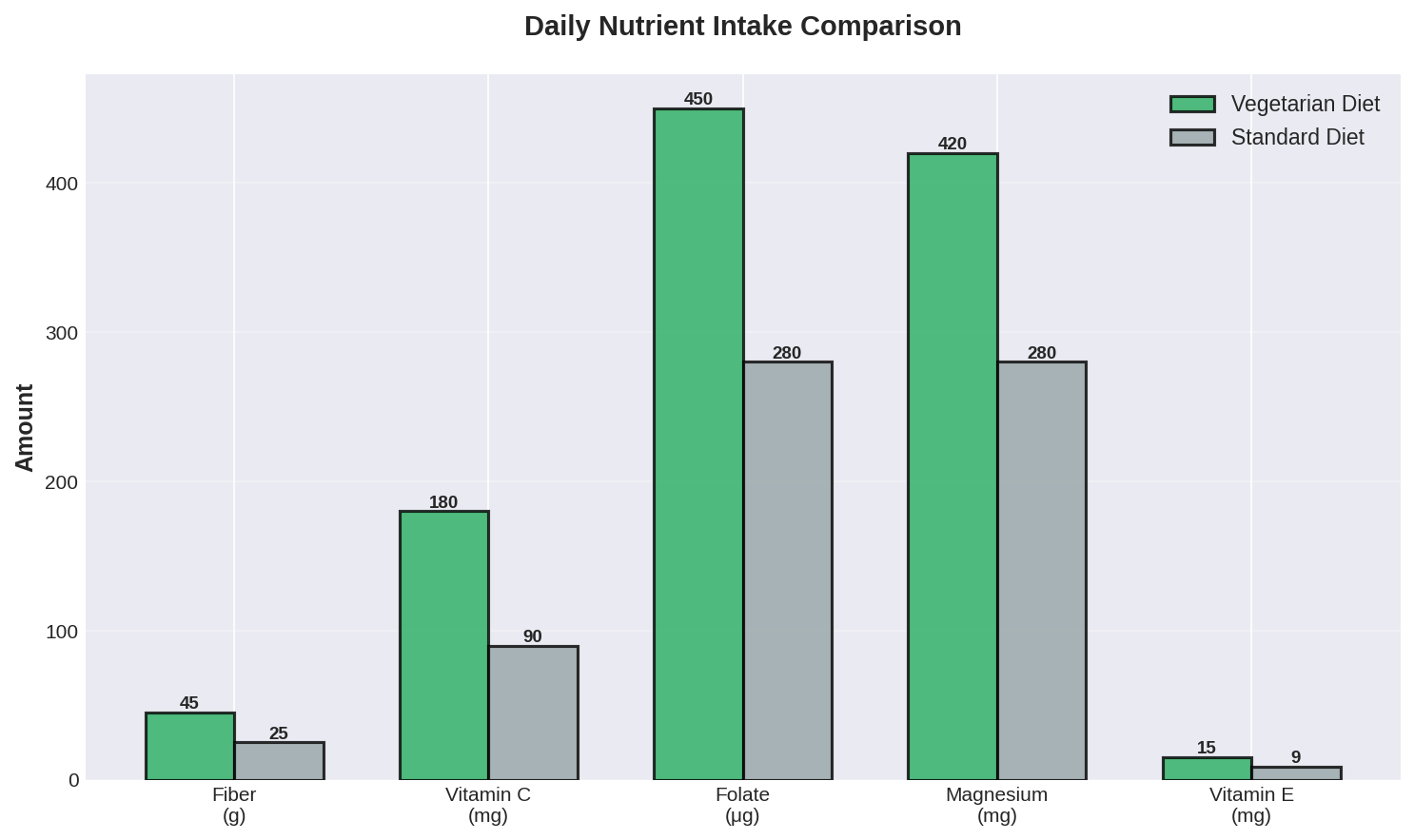
While vegetarian diets are very healthy, you need to pay attention to certain nutrients. The National Institutes of Health provides comprehensive guidance on essential nutrients for vegetarians.
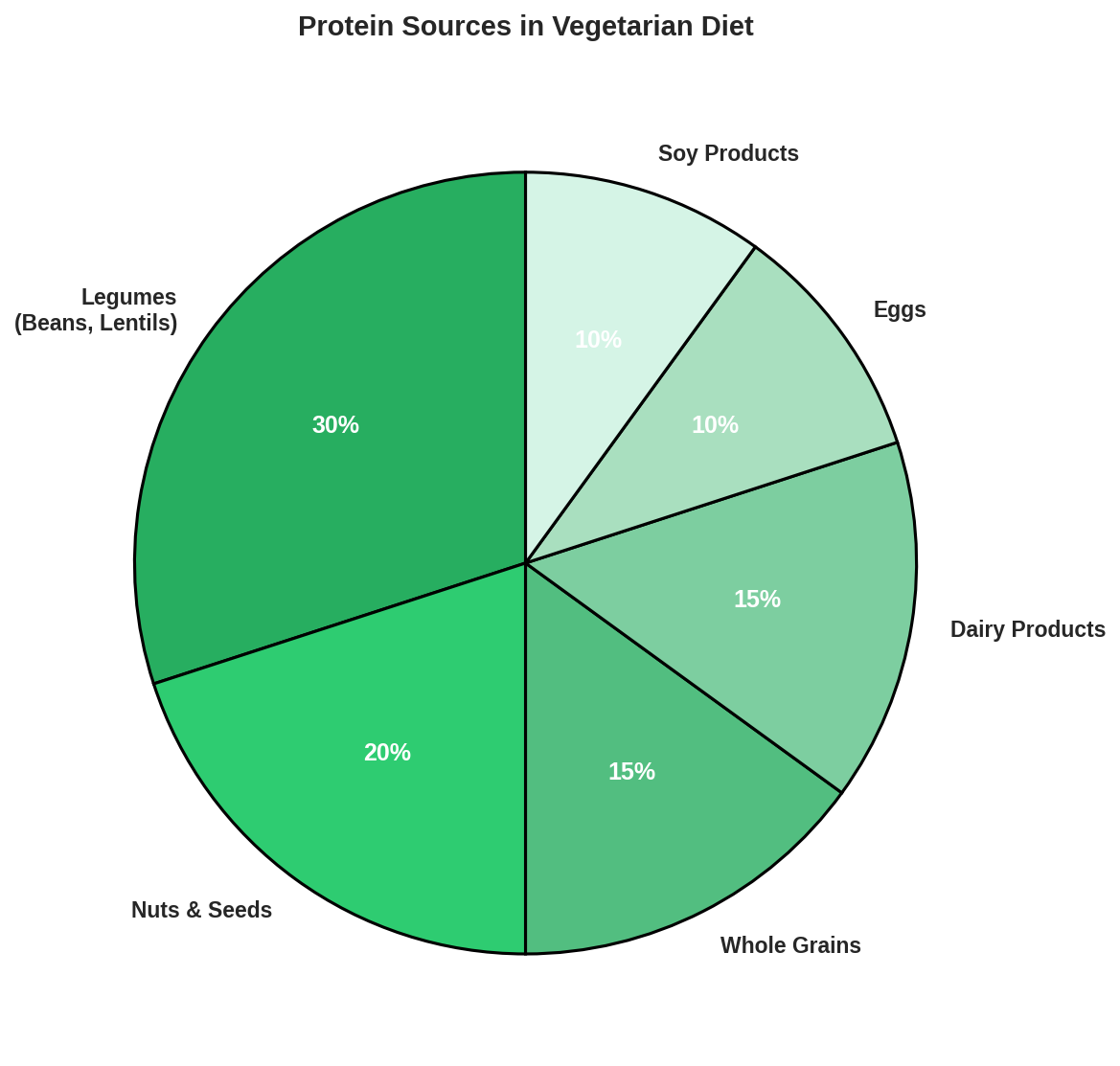
- Protein — Beans, lentils, chickpeas, tofu, tempeh, nuts, seeds, eggs, dairy | 46–56g per day
- Vitamin B12 — Eggs, dairy, fortified cereals, fortified plant milks, nutritional yeast | 2.4 mcg per day
- Iron — Beans, lentils, spinach, fortified cereals, pumpkin seeds | 8–18mg per day
- Calcium — Dairy, fortified plant milks, tofu with calcium, kale, broccoli | 1000–1200mg per day
- Omega-3 — Walnuts, ground flaxseeds, chia seeds, hemp seeds, fortified eggs | 1.1–1.6g per day
How to Start a Vegetarian Diet
Start slowly. You do not need to change everything at once. Begin with “Meatless Monday” where you eat vegetarian one day per week. Once that feels easy, add another meatless day.
Find vegetarian versions of foods you already love. Love tacos? Make them with black beans instead of beef. Love pasta? Try it with marinara sauce and lots of vegetables instead of meat sauce.
Visit restaurants like Istanbul Grill Restaurant that specialize in Mediterranean vegetarian food. Trying professionally prepared vegetarian dishes shows you how delicious this food can be and gives you ideas for cooking at home.
Stock your kitchen with staples: canned beans, lentils, whole grain pasta, rice, quinoa, lots of fresh and frozen vegetables, nuts, and seeds. Having these foods ready makes vegetarian cooking easy.
Learn a few simple recipes. Vegetable stir-fries, bean chili, lentil soup , and grain bowls are all beginner-friendly and delicious.
Simple Vegetarian Meals to Try
- Breakfast: Scrambled eggs with vegetables and whole wheat toast. Greek yogurt with fruit and nuts. Oatmeal with berries and almond butter.
- Lunch: Large salad with chickpeas, vegetables, and olive oil dressing. Vegetable soup with whole grain bread. Hummus and vegetable wrap.
- Dinner: Stir-fried vegetables and tofu over brown rice. Lentil curry with naan bread. Pasta with marinara sauce and white beans. Mediterranean vegetable platter with hummus, tabbouleh, and pita.
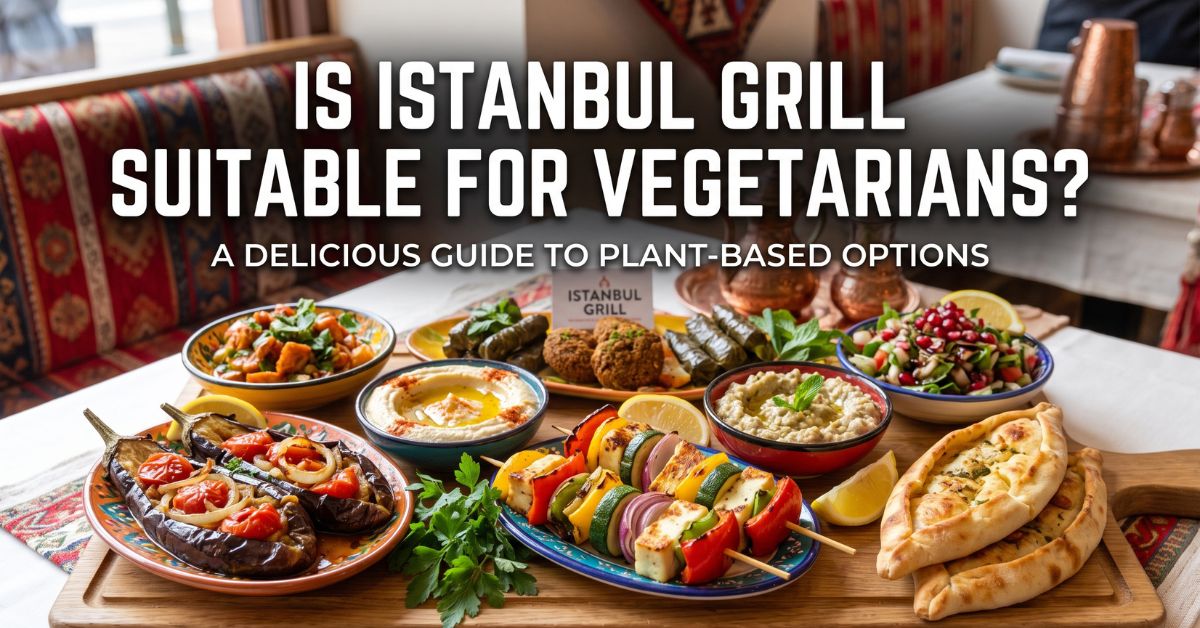
At Istanbul Grill Restaurant, our most popular vegetarian dishes are hummus platters, falafel, stuffed grape leaves, and our famous vegetable kebabs.
Common Mistakes to Avoid
Do not rely on processed vegetarian junk food. Just because something is vegetarian does not make it healthy. Chips, cookies, and fried foods are vegetarian but not good for you.
Do not skip protein. Make sure every meal includes beans, lentils, tofu, eggs, dairy, or nuts.
Do not eat the same foods every day. Variety ensures you get all the nutrients your body needs.
Do not forget to plan when eating out. Check restaurant menus online before going. Most restaurants now offer vegetarian options, but it helps to know what you will order ahead of time.
Final Thoughts from Istanbul Grill Restaurant
After serving Mediterranean vegetarian food to Americans for years, we have seen firsthand how this diet transforms health. Customers lose weight, feel more energetic, and enjoy their food more than ever.
You do not need to be perfect. Even eating vegetarian a few days per week provides health benefits. The key is starting where you are and making small changes that stick.
Mediterranean vegetarian cuisine proves that healthy food can be absolutely delicious. When you eat food that tastes amazing and makes your body feel great, it stops being a diet and becomes a lifestyle you actually enjoy.
Start your vegetarian journey this week. Your body will thank you.
Frequently Asked Questions
Why is it healthier to be vegetarian?
Vegetarian diets are healthier because they are naturally low in saturated fat and cholesterol, which cause heart disease. Plant foods provide high amounts of fiber, vitamins, minerals, and antioxidants that protect your body from diseases. Vegetarians typically eat more fruits, vegetables, whole grains, and legumes, which are the exact foods doctors recommend for good health. The combination of what you eat more of (plants) and what you avoid (meat) creates powerful health benefits.
Is it healthier to eat meat or be a vegetarian?
Research consistently shows that vegetarian diets are healthier than diets high in meat, especially red and processed meats. Vegetarians have lower rates of heart disease, high blood pressure, type 2 diabetes, and certain cancers compared to meat eaters. However, you do not have to be completely vegetarian to be healthy. Even reducing meat and eating more plant foods provides health benefits. The key is eating mostly plants with plenty of vegetables, fruits, whole grains, and beans, whether you include some meat or not.
What are the advantages and disadvantages of a vegetarian?
Advantages: Lower risk of heart disease, diabetes, and cancer. Easier weight management. Lower cholesterol and blood pressure. More energy and better digestion. Often costs less money. Better for the environment. Disadvantages: Need to plan meals to get enough protein, vitamin B12, iron, and omega-3 fatty acids. Eating out can be more challenging. May require supplements, especially B12 for vegans. Takes time to learn new recipes and cooking methods. Social situations with family and friends who eat meat can be awkward at first.