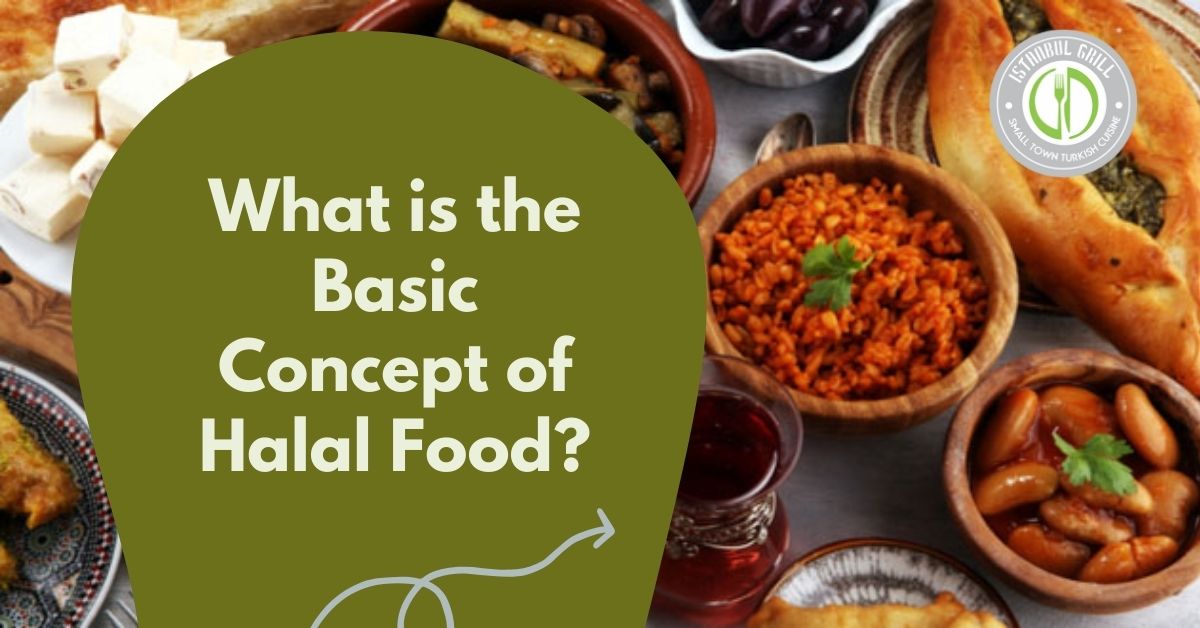
Ask most people what “halal” means and you’ll get some version of “no pork, meat done a certain way.” That’s not wrong, exactly — it’s just a small slice of a much bigger idea. Halal is an Arabic word that simply means permissible, and its opposite, haram, means forbidden. Together they form a framework that Islamic law applies to nearly everything a person consumes, wears, or does — not a narrow rulebook that only shows up at the meat counter.
So What Does “Permissible” Actually Cover?
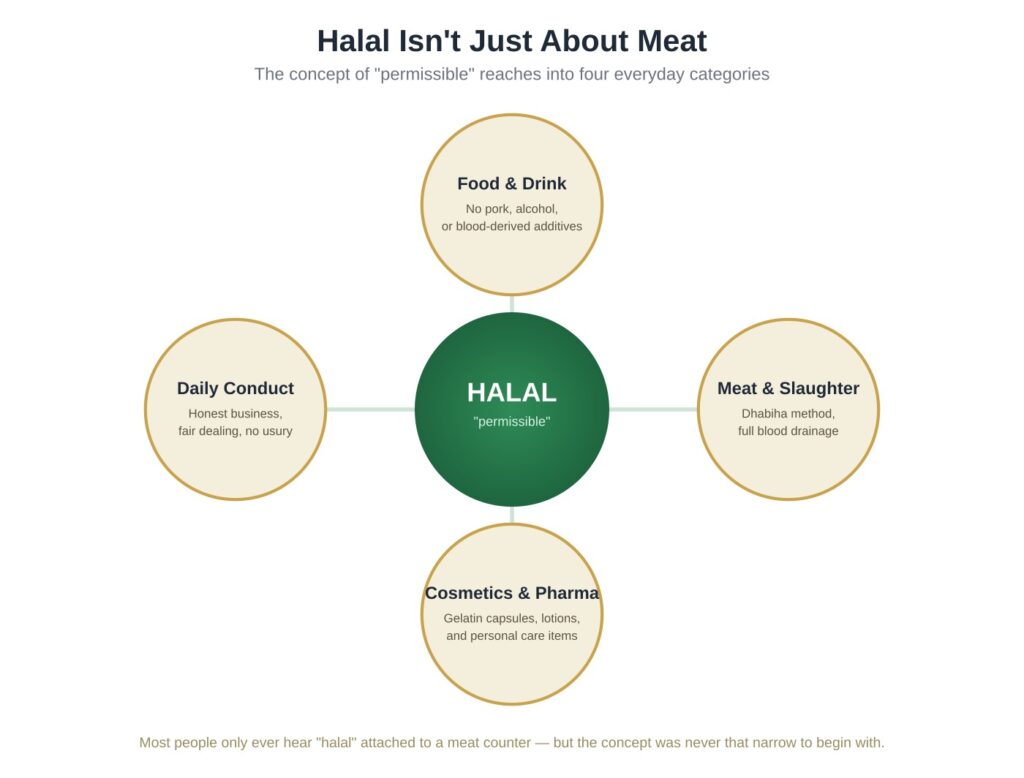
The concept splits cleanly into four areas that rarely get mentioned together, even though they come from the same underlying principle. Food and drink is the one everyone knows — no pork, no alcohol, no blood, and no additives derived from either. Meat and slaughter is its own specific sub-category, governed by the dhabiha method, which we’ve broken down in full detail separately rather than repeating it here — if you want the mechanics of the actual cut, blessing, and blood drainage, our piece on halal vs. regular meat covers it step by step.
The two categories that almost never make it into a basic explainer are cosmetics and pharmaceuticals, and everyday conduct. Gelatin capsules, certain lotions, and personal care products can quietly contain non-halal animal derivatives, which is why halal certification has expanded well past the grocery aisle in recent years. And on the conduct side, halal governs things like honest business dealing and the prohibition on usury — permissible and forbidden apply to how you act, not just what you eat.
Where People Get Tripped Up: Seafood
Here’s a genuinely unsettled question that most basic explainers skip entirely: is all seafood halal? The answer depends on which school of Islamic jurisprudence you follow, and the disagreement is real, not just a technicality. The Shafi’i, Maliki, and Hanbali schools generally consider all sea creatures permissible, full stop. The Hanafi school — followed by the majority of Muslims in South Asia, Turkey, and Central Asia — restricts permissible seafood to fish specifically, which puts shellfish like lobster, crab, and some mollusks into a genuinely disputed category. Shrimp gets an interesting exception even within Hanafi scholarship, since some scholars argue it was historically classified as “fish” in the Arabic used at the time of revelation, making its status more debated than settled either way. You can see the full breakdown of how different halal certifiers and scholars approach this directly from ISA Halal’s own explainer on shellfish, which lays out the school-by-school positions without picking a side for you.
This is exactly the kind of nuance that gets flattened into “seafood is fine” on most restaurant menus and blog posts, when the honest answer is “it depends which tradition you’re asking.”
This Isn’t a Niche Market Anymore
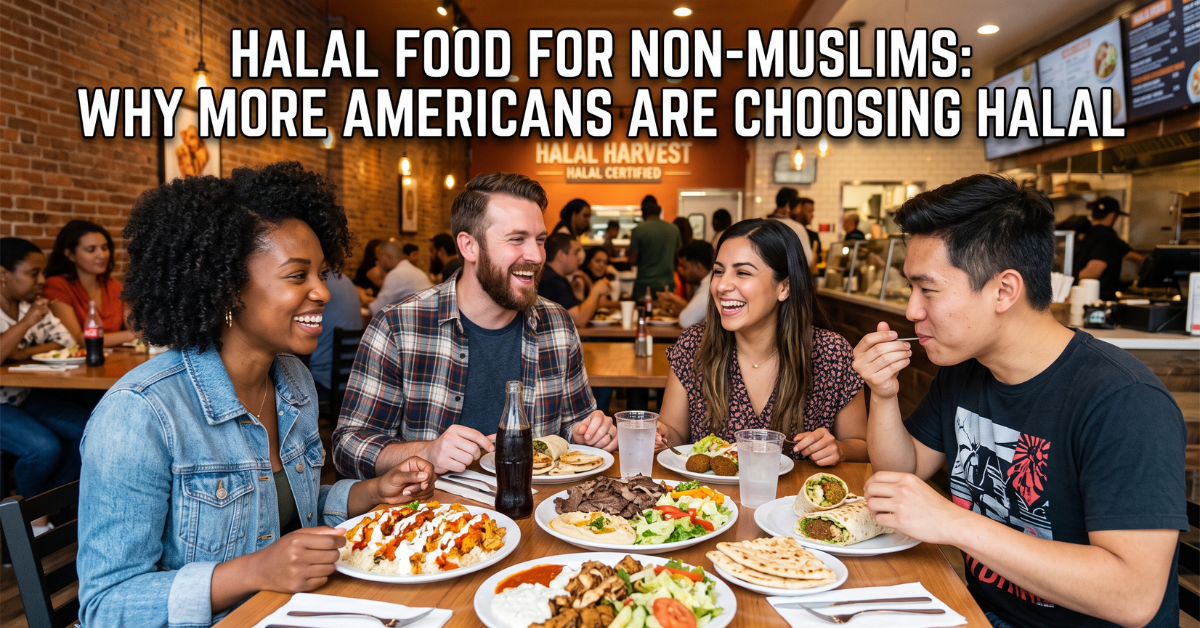
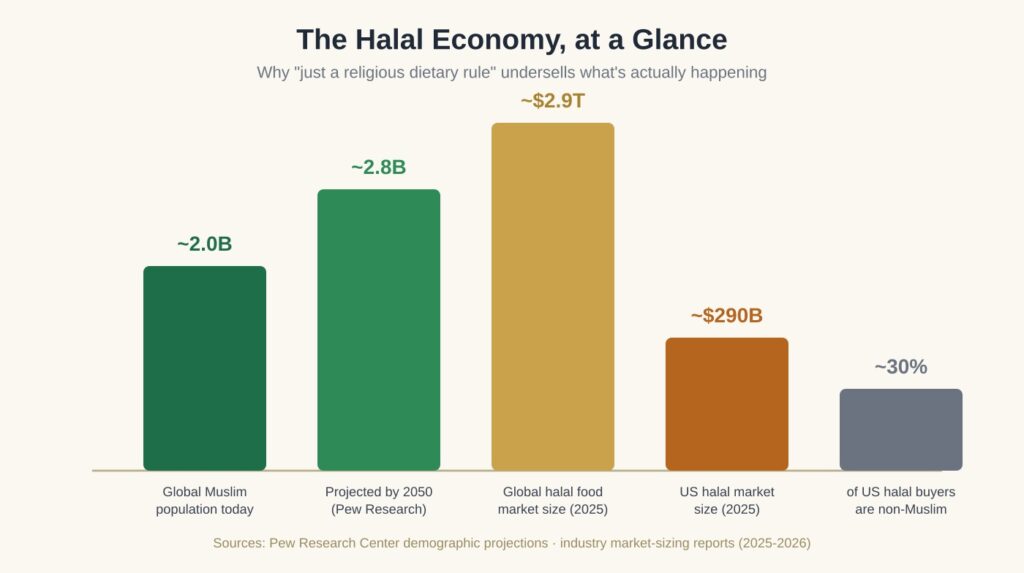
It’s worth being direct about scale here, because “halal” gets treated as a small religious footnote when the numbers say otherwise. The global Muslim population sits at roughly 2 billion today, and Pew Research Center’s demographic projections put that figure at close to 2.8 billion — about 30% of the entire world’s population — by 2050. The global halal food market itself is already valued in the trillions, and in the US specifically, close to a third of halal product buyers aren’t Muslim at all — they’re shopping halal because they associate the certification with cleaner sourcing and stricter handling standards, not for religious reasons.
How Is This Different From Kosher, Then?
Short answer: related, but not identical. Both systems share a similar starting logic — permitted and forbidden categories rooted in religious law — and both restrict pork and require a specific slaughter method for meat. But the actual mechanics diverge in several concrete ways, from stunning rules to post-slaughter inspection to an entirely separate meat-dairy separation system on the kosher side that halal has no equivalent for. They’re cousins, not twins.
What About Everything That Isn’t Meat?
A lot of people assume halal only kicks in once meat enters the picture, but the full list of haram foods extends well beyond that — alcohol in any form, carnivorous animals, and a handful of less obvious categories that catch people off guard the first time they read the full list. And within meat specifically, chicken alone carries its own certification wrinkles worth understanding separately, mostly because of how differently poultry gets processed at industrial scale compared to red meat.
One mix-up worth heading off directly: halal and organic are not interchangeable labels, even though they get lumped together constantly in casual conversation. They’re answering completely different questions — one is about religious permissibility and slaughter method, the other is about farming practices and feed — and a product can carry either label, both, or neither, entirely independently.
Where Istanbul Grill Fits In
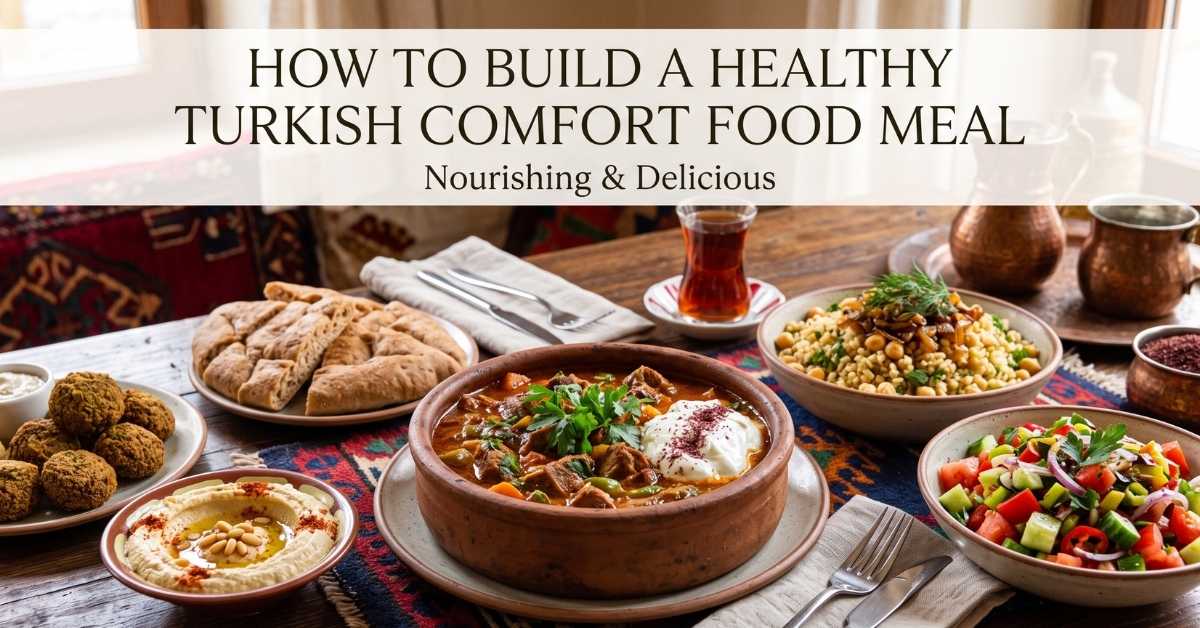
Every dish we serve is built on the food-and-drink and meat-and-slaughter categories described above — no pork or alcohol anywhere in the kitchen, and every cut of meat certified and prepared using the dhabiha method from a supplier we trust, not just labeled halal after the fact. If you want to see exactly what that looks like on a plate rather than in the abstract, our menu is the most direct way to see the concept applied rather than just explained.
The Short Version
Halal means “permissible” and spans four areas most people never connect: food and drink, meat and slaughter, cosmetics and pharmaceuticals, and everyday conduct. Seafood is a genuinely disputed sub-topic depending on which school of thought you follow, not a settled yes-or-no. And the scale of this isn’t small — with a global Muslim population approaching 2.8 billion by mid-century and a market already worth trillions, “halal” describes one of the largest food categories on the planet, not a niche dietary preference.
Why do some Muslims avoid shrimp while others don't?
It comes down to which school of Islamic jurisprudence they follow. Hanafi scholars restrict seafood to fish specifically, while Shafi'i, Maliki, and Hanbali scholars generally permit all sea creatures.
Is halal food more expensive than regular food?
Sometimes, mainly for certified meat, since dedicated slaughter, certification audits, and supply-chain separation add cost. Packaged halal goods are often priced similarly to their non-certified equivalents.