If you’ve ever walked past a Turkish restaurant and wondered whether the food is halal, you’re asking the right question. For Muslims following Islamic dietary laws, knowing what makes food halal isn’t just about religious observance—it’s about eating with confidence and peace of mind.
The good news? Turkish cuisine is one of the most naturally halal-friendly food traditions in the world. But that simple answer doesn’t tell the whole story. Understanding what actually makes Turkish food halal, how to identify truly halal restaurants, and what to watch out for helps you make informed dining choices.
At Istanbul Grill Restaurant, we’ve been serving authentic halal Turkish and Mediterranean cuisine across Orlando and Kissimmee for years. Our customers—both Muslim and non-Muslim—often ask us detailed questions about halal certification, food preparation, and what sets halal dining apart from conventional restaurants.
Understanding Halal: The Basics
Halal is an Arabic word meaning “permissible” or “lawful” according to Islamic law. When applied to food, halal describes anything Muslims are allowed to eat and drink. The opposite term, “haram,” means forbidden.
Islamic dietary laws come from the Quran and the Hadith. These sources provide clear guidelines about which foods are permissible and how they must be prepared.
Halal foods include all fruits and vegetables, grains, legumes, nuts, seeds, milk, eggs, dairy products, fish and seafood, and meat from permissible animals slaughtered according to Islamic guidelines.
Haram foods include pork and pork products, blood, alcohol and intoxicating substances, meat from carnivorous animals, meat from animals not slaughtered according to Islamic law, and animals that died before slaughter.
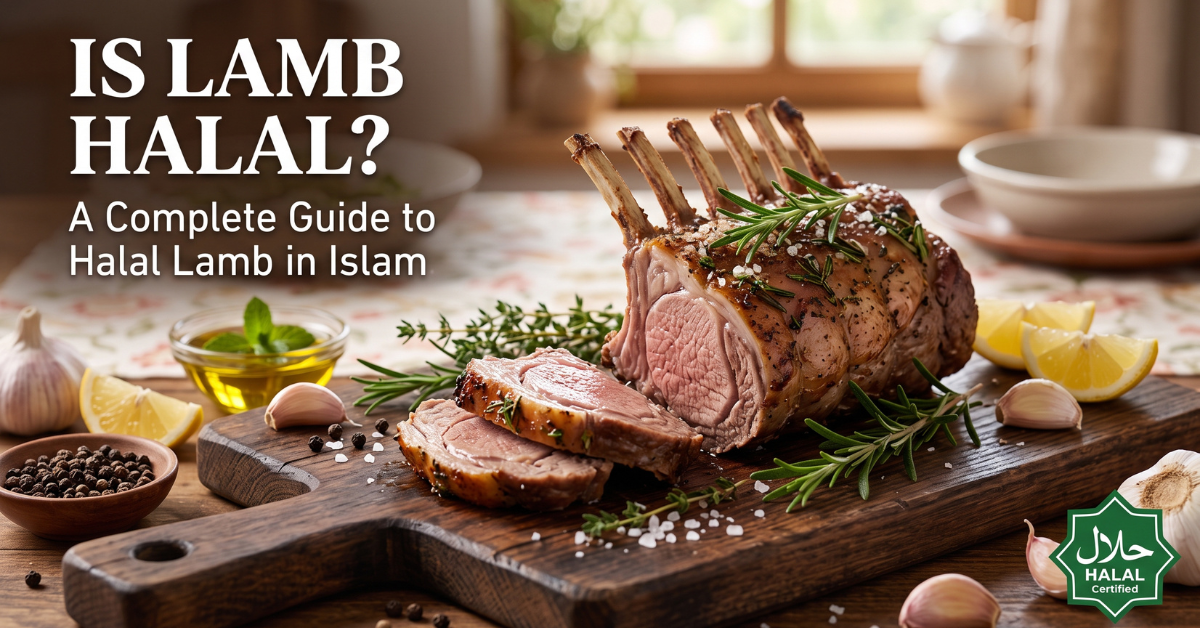
For meat to be halal, the animal must be slaughtered by a Muslim who invokes Allah’s name and uses a sharp knife to swiftly cut the throat, windpipe, and blood vessels while the animal is still alive. This method, called zabiha or dhabiha, is designed to drain the blood completely and cause minimal suffering.
According to the Islamic Food and Nutrition Council of America, proper halal slaughter must also ensure the animal was healthy, treated humanely, and given food and water before slaughter.
Why Turkish Food Is Naturally Halal
Turkey is approximately 98% Muslim, which means Islamic dietary principles are deeply embedded in the country’s food culture. Unlike cuisines from non-Muslim majority countries where you need to carefully verify halal status, Turkish food is halal by default in most cases.
The Ottoman Empire, which ruled Turkey and surrounding regions for over 600 years, enforced Islamic dietary laws across its vast territories. Those culinary traditions carried forward into modern Turkey, creating a food culture where halal isn’t an alternative option—it’s the standard.
- Pork Is Virtually Absent Traditional Turkish cooking simply doesn’t use pork. You won’t find it in classic recipes, and Turkish butcher shops don’t sell it. The proteins in Turkish cuisine are lamb, beef, chicken, and fish—all permissible meats in Islam when properly slaughtered.
- Halal Slaughter Is Standard Practice In Turkey, the Diyanet oversees religious standards including meat production. Butchers and meat processors follow zabiha slaughter methods as standard procedure. This means when you eat at a traditional Turkish restaurant in Turkey, the meat is halal even if there’s no certification posted.
- Alcohol-Free Traditional Cooking Traditional Turkish cooking doesn’t incorporate alcohol. While Turkey does produce wine and rakı, these beverages are served alongside meals, not cooked into dishes. In Turkish cooking, flavor comes from fresh herbs, spices, vegetables, olive oil, and cooking techniques.
- Base Ingredients Are Naturally Permissible The foundation of Turkish cuisine consists entirely of halal ingredients like rice, bulgur wheat, bread, lentils, chickpeas, beans, tomatoes, peppers, eggplant, yogurt, cheese, olive oil, and fresh herbs. None of these present any halal concerns.
Important Considerations for Turkish Food in the USA
While Turkish food is halal by default in Turkey, eating at Turkish restaurants in America requires more careful consideration.
- Meat Sourcing Can Vary Some Turkish restaurants in America source their meat from conventional suppliers rather than certified halal providers. This happens due to cost, availability issues, target audience, or secular ownership. Always ask about meat sourcing when dining at a Turkish restaurant in America.
- “Halal-Friendly” vs. Fully Halal You might see restaurants advertise themselves as “halal-friendly.” This usually means they have some halal options on the menu but aren’t fully certified halal. The problem with halal-friendly establishments is the risk of cross-contamination.
True halal restaurants are 100% halal with certified ingredients and processes throughout the entire operation. When you see “halal-friendly,” ask which dishes are actually halal, whether the meat is certified halal or just zabiha-style, if halal and non-halal foods are prepared in separate areas, and what about shared equipment.
Traditional Turkish Dishes That Are Always Halal
Certain Turkish dishes are inherently halal regardless of where you eat them.
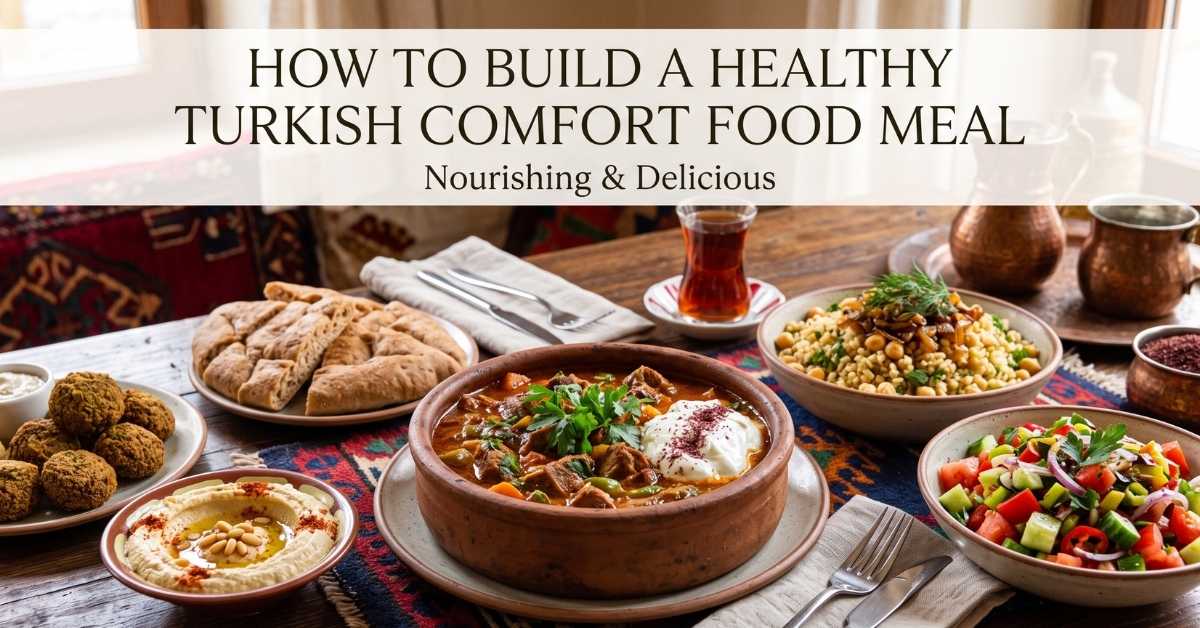
- Vegetarian Dishes Zeytinyağlılar (olive oil dishes) like stuffed grape leaves, green beans in olive oil, and artichokes are all naturally halal. Mercimek çorbası (red lentil soup) is Turkey’s most popular soup with no meat or dairy. Çoban salatası (shepherd’s salad) features fresh vegetables dressed with olive oil and lemon juice.
- If you’re interested in exploring more vegetarian and meat options, check out our guide on 15 most popular Turkish foods.
- Seafood Dishes Most Islamic scholars agree that all seafood is halal without requiring special slaughter. This makes Turkish seafood dishes like balık ekmek (fish sandwich), hamsi (anchovies), and kalamar tava (fried calamari) automatically permissible.
- Cheese and Dairy Dishes Turkish cheeses and dairy products are almost always halal. Beyaz peynir (white cheese), kaşar peyniri (yellow cheese), and ayran (yogurt drink) are all safe choices.
- Baked Goods Simit (sesame bread), börek (flaky pastry), and gözleme (flatbread) with vegetable fillings are always safe choices. Try making your own with our simit bread recipe.
Popular Turkish Meat Dishes and Halal Considerations
These classic Turkish dishes are traditionally halal but require verification when eating at restaurants in the USA.
- Döner Kebab Thinly sliced meat cooked on a vertical rotisserie. Verify the meat is certified halal, that beef and pork aren’t cooked on the same rotisserie, and check what sauces are used.
- Adana Kebab Spicy minced lamb or beef grilled on skewers. Verify the source of the lamb or beef and whether the grills are shared with non-halal meats.
- Köfte (Meatballs) Ground meat mixed with onions, breadcrumbs, and spices. Verify the meat source and whether beef and pork are mixed.
- Manti (Turkish Dumplings) Small pasta pockets filled with spiced ground meat, served with yogurt. Try making them at home with our manti pasta step-by-step guide.
For detailed information about what makes meat halal, read our comprehensive guide on top 10 health benefits of eating halal meat.
How to Identify Truly Halal Turkish Restaurants
- Look for Certification The most reliable indicator is official halal certification from recognized organizations like IFANCA, HTO, ISA, or Halal Food Council USA. Certified restaurants display certificates prominently near the entrance.
- Ask Direct Questions Don’t be shy about asking restaurant staff detailed questions about certification, meat sourcing, alcohol use, kitchen practices, and supplier information.
- Check Online Reviews Muslim diners often share information about halal restaurants in local community groups, on Zabihah.com, or in social media groups dedicated to halal dining.
- Read the Menu Carefully Truly halal restaurants often state “100% Halal” clearly on the menu, list the certifying organization, avoid serving pork products entirely, and don’t offer alcohol or dishes cooked with wine.
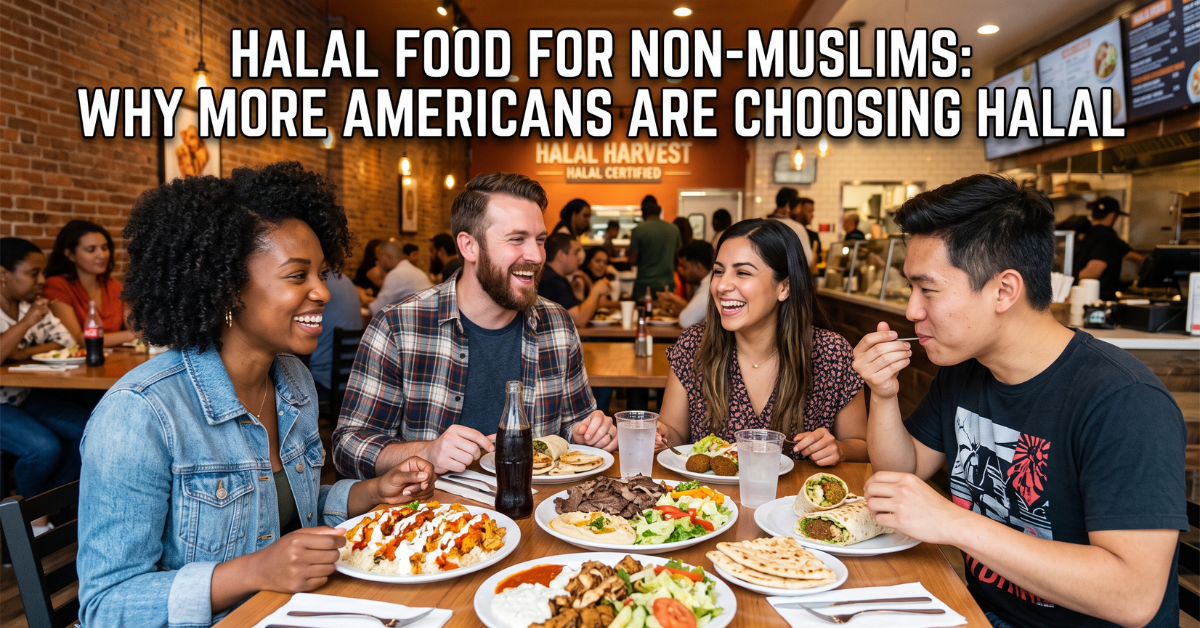
Why Choose Halal Dining (Even if You’re Not Muslim)
Halal standards have benefits that extend beyond religious observance.
- Animal Welfare Halal guidelines require animals to be raised humanely with access to food, water, and adequate space. The slaughter method is designed to minimize suffering.
- No Antibiotics or Hormones Many halal meat suppliers don’t use growth hormones or preventative antibiotics. Animals must be healthy at the time of slaughter. Learn more about the health benefits of choosing halal grass-fed meat.
- Cleanliness and Quality Control Halal certification requires strict hygiene and quality control throughout the production process.
- Transparency Halal certification creates accountability through documented processes and regular inspections.
Traditional Turkish Breakfast: A Halal Paradise
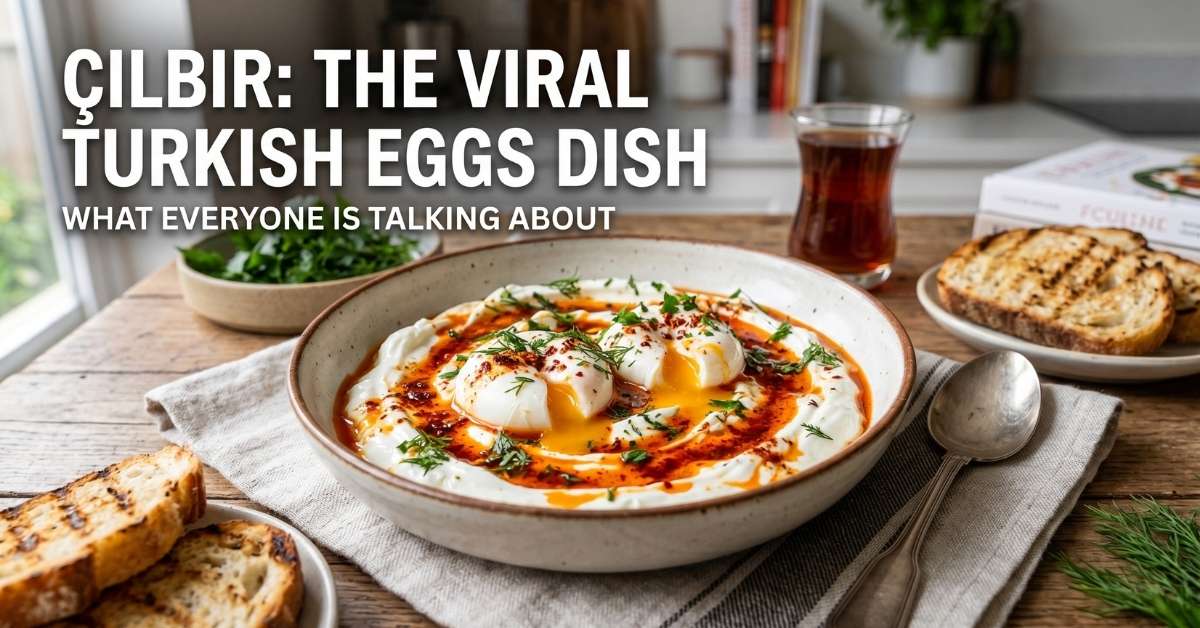
A typical traditional Turkish breakfast includes multiple types of cheese, fresh vegetables, olives, fresh bread and simit, honey and jams, butter and kaymak, eggs, and Turkish tea. Everything on this spread is inherently halal.
The beauty of Turkish breakfast is its variety. You get protein from eggs, cheese, and olives; carbohydrates from bread; healthy fats from olive oil and butter; and vitamins from fresh vegetables.
Dining at Istanbul Grill Restaurant
At Istanbul Grill, we understand that halal certification isn’t just a label—it’s a commitment to our customers’ faith, health, and peace of mind.
Everything we serve is 100% halal certified. Our meat comes from verified halal suppliers who provide documentation for every shipment. We don’t serve alcohol, we don’t cook with wine, and we don’t allow any non-halal ingredients in our kitchen.
Our menu features authentic Turkish and Mediterranean dishes prepared the traditional way. From our hot and cold appetizers to our grilled kebabs and homemade desserts, every dish meets the highest halal standards.
Visit our full menu to explore our halal Turkish offerings, from breakfast spreads to family dinners.
Making Informed Choices About Halal Dining
Understanding what makes Turkish food halal empowers you to make confident dining decisions. Whether you’re observing Islamic dietary laws for religious reasons or choosing halal food for its ethical and quality standards, knowing what questions to ask and what to look for makes all the difference.
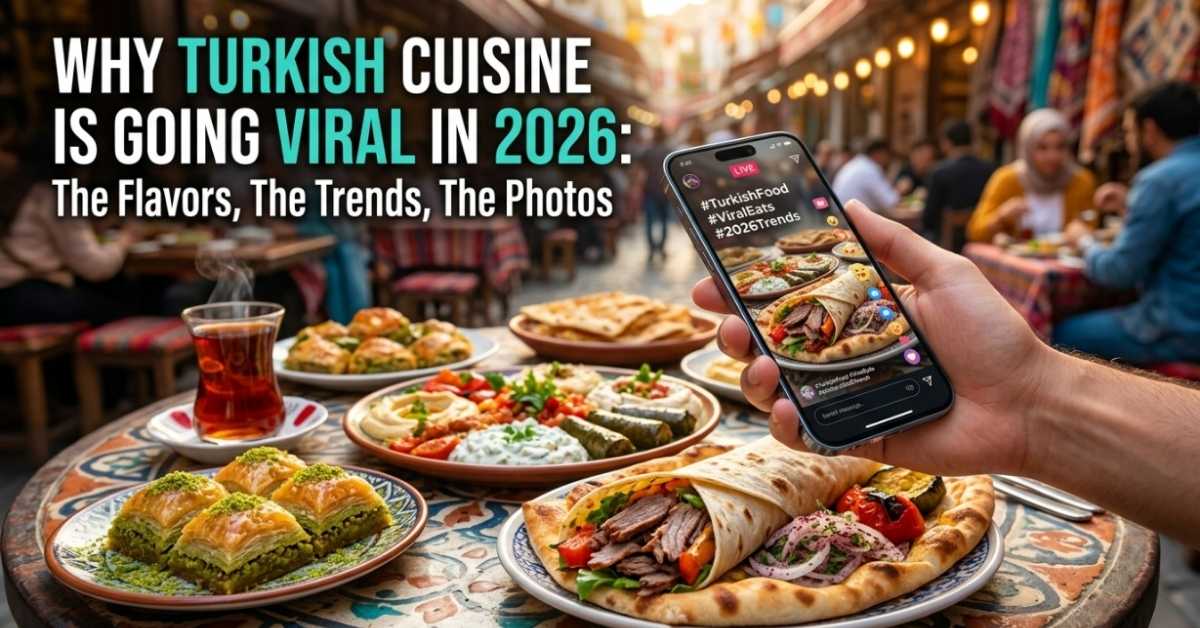
Turkish cuisine offers incredible variety, bold flavors, and dishes that have satisfied people for centuries. The fact that it’s naturally aligned with halal principles makes it an excellent choice for Muslims and anyone interested in thoughtful, conscientious eating.
When you dine at certified halal Turkish restaurants like Istanbul Grill, you’re not just getting a meal—you’re experiencing a food culture where religious observance, hospitality, and culinary excellence come together on every plate.