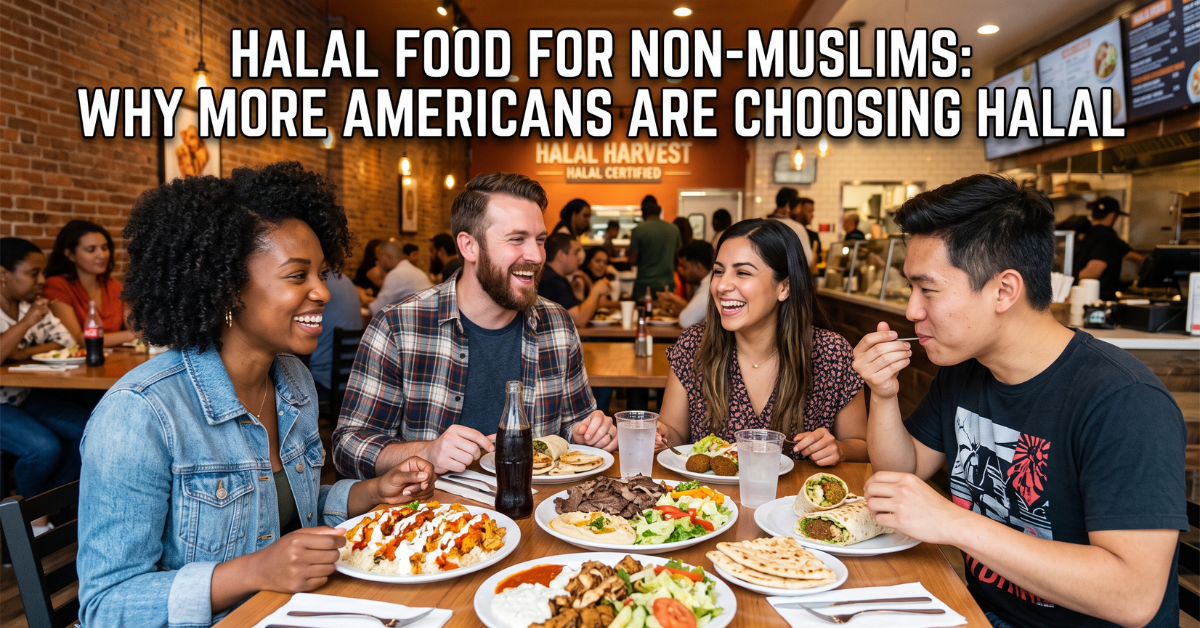
Something surprising is happening in American grocery stores, restaurants, and food trucks across the country. A growing number of shoppers reaching for halal-certified products are not Muslim. They are students, parents, health-conscious professionals, and curious food lovers who have decided that halal food aligns with what they want from their meals.
Around 35% of non-Muslim consumers in the United States either prefer or actively purchase halal products. That is not a small number. That is tens of millions of Americans making a deliberate choice to buy halal food without any religious obligation to do so.
At Istanbul Grill Restaurant, we see this every single day. Non-Muslim customers walk in curious about what we serve, and they leave as genuine fans of halal food, not because of religious reasons but because of what halal actually delivers: quality, transparency, and food they feel good about eating.
Today, we are explaining exactly why halal food is winning over non-Muslim America in 2026, backed by real data and straightforward answers.
The Numbers Tell a Clear Story
Before getting into the reasons, look at what the research actually shows about halal food and non-Muslim consumers in 2026.
According to market research from Straits Research, 68% of non-Muslim consumers in the United States are willing to purchase halal food due to perceived quality and ethics. Around 30% of all halal product purchases in the United States come from non-Muslim consumers attracted to ethical and clean-label positioning. Large retailers expanded halal product shelf space by more than 15% between 2021 and 2024.
According to GlobeNewswire’s 2026 halal food market report, the global halal food market is projected to grow from USD 2.95 trillion in 2025 to USD 6.32 trillion by 2034, growing at 8.56% annually.
World Metrics reports that 72% of millennials prioritize halal labels when purchasing food products, compared to 51% of baby boomers.
These numbers show that halal has crossed from a religious necessity into a mainstream quality signal that resonates with a broad cross-section of American consumers. The question is why.
Reason 1: Halal is Becoming a Quality Signal Like Organic or Grass-Fed
Halal certification is quickly becoming a quality signal that sits alongside organic and grass-fed labels. It tells you something meaningful about how the animal was raised, how it was processed, and what did or did not end up in your meat.
For non-Muslim consumers who care deeply about what they eat, halal certification provides a verifiable guarantee that goes beyond vague marketing language. It is not a claim like “natural” or “premium” that anyone can print on a package. It is an independently verified standard with specific, enforceable requirements.
When someone sees a halal label, they know the meat came from a healthy animal, was slaughtered by a trained person following a strict protocol, had all blood completely drained, and was processed and stored without contact with certain prohibited substances.
Halal food is no longer confined to specific ethnic communities. As food cultures blend, more Americans are open to trying halal food, either out of curiosity or as part of their search for healthier, ethically sourced options.
Reason 2: Animal Welfare Matters to Modern American Consumers
Approximately 40% of non-Muslim halal buyers cite concerns around humane animal treatment and responsible sourcing as a key factor in choosing halal products. The regulated slaughter process, emphasis on minimizing animal suffering, and strict handling requirements contribute to the perception that halal meat aligns with higher ethical standards.
This is one of the biggest drivers of non-Muslim halal adoption, and it makes complete sense when you understand what Islamic slaughter actually requires.
Halal slaughter, called zabiha, requires the animal to be alive, healthy, and treated with kindness before slaughter. The animal must not be stressed or mistreated. A trained person must perform a single, swift cut that severs the major blood vessels simultaneously. This method is designed to cause the fastest possible loss of consciousness while minimizing suffering.
For consumers who already spend extra money on cage-free eggs, humanely raised chicken, or grass-fed beef, halal certification offers another layer of ethical assurance about how the animal was treated throughout its life and at the moment of slaughter.
As we explain in our complete guide on what makes meat halal, the emphasis on animal welfare is not just a side benefit of halal. It is a core requirement rooted in Islamic teachings about treating all living creatures with mercy and respect.
Reason 3: Cleaner Processing Standards
Halal meat processing strictly prohibits antibiotics, growth hormones, pork-derived gelatin, alcohol-based preservatives, and certain artificial enzymes commonly found in conventional products. The result is a significantly cleaner ingredient list than what you will find on most conventional meat packaging.
This matters enormously to the growing segment of American consumers who read ingredient labels carefully. People with certain allergies, dietary restrictions, or simply a preference for minimally processed food find that halal products often have shorter, cleaner ingredient lists.
The prohibition on alcohol-based preservatives and pork-derived additives eliminates two of the most common hidden ingredients that appear in conventional processed meat products. For consumers who avoid these substances for health, lifestyle, or personal preference reasons, halal certification gives them a clear, verified way to identify compliant products.
Around 35% of non-Muslim buyers associate halal food with improved hygiene, stricter quality control, and cleaner processing standards, according to Straits Research.
Reason 4: Complete Blood Drainage Produces Fresher Meat
One of the most tangible quality differences between halal and conventional meat is the complete blood drainage requirement.
During halal processing, blood is fully drained from the animal, which significantly reduces bacterial growth and contamination risk. Blood is an excellent medium for bacterial growth. When blood remains in meat, it accelerates spoilage and can contribute to foodborne illness risk. Complete drainage means less bacterial activity from the start, which translates to fresher-tasting, longer-lasting meat.
Many non-Muslim consumers and chefs who have cooked with halal meat comment that it has a cleaner, less gamey flavor compared to conventionally slaughtered meat of the same cut. This is a direct result of the thorough blood drainage requirement.
Reason 5: Gen Z and Millennials Are Driving Ethical Food Consumption
20% of non-Muslim consumers cite trend and lifestyle factors as a driver for choosing halal. For some, halal represents part of a broader shift toward mindful consumption, transparency in sourcing, and cultural exploration.
This trend aligns closely with the preferences of younger demographics, particularly Gen Z consumers, who are often characterized as socially conscious and open to diverse global food experiences. Their interest in ethical sourcing and health-oriented diets positions halal products favorably within their consumption patterns.
Non-Muslim consumers in the United States are drawn to halal products due to perceptions of superior quality, ethical sourcing, and hygienic production. This is particularly popular among Millennials and Gen Z, who seek alignment with ethical and sustainable food practices, according to the GlobeNewswire 2026 halal food market report.
For these consumers, halal is not a religious label. It is a values label. It signals transparency, ethical treatment of animals, clean processing, and a connection to a centuries-old food tradition built on genuine principles rather than marketing spin.
Reason 6: Halal Food Just Tastes Great
Let us not overlook the simplest reason of all. Halal food, especially the dishes served at halal restaurants like Istanbul Grill, simply tastes exceptional.
Taste and accessibility account for approximately 30% of non-Muslim halal purchases. The growing popularity of Middle Eastern, South Asian, and other global cuisines has introduced halal dishes to a wider audience across America.
Turkish cuisine in particular has seen a massive rise in popularity across America in 2026. Dishes like shawarma, kebabs, hummus, baklava, and lahmacun are appearing on mainstream restaurant menus and trending heavily on social media platforms. Many Americans’ first encounter with halal food comes through discovering Turkish or Middle Eastern cuisine, and the flavors keep them coming back.
At Istanbul Grill Restaurant, we regularly have non-Muslim customers who tell us they had no idea what halal meant before trying our food. After their first meal, they come back not because of certification but because the kebabs, the lamb dishes, and the mezze spreads are some of the best food they have ever eaten. The halal quality standard is just an added bonus they feel good about.
Browse our complete menu to see the full range of dishes we serve.
Reason 7: Halal Food is Now Everywhere
The expansion of halal food in American restaurants, grocery stores, and food trucks means consumers have more access to a variety of dishes, from Middle Eastern and South Asian cuisines to halal-friendly burgers and pizzas.
Accessibility has historically been a barrier for non-Muslims who might have been curious about halal food. That barrier is rapidly disappearing. Walmart, Costco, and Whole Foods now stock halal products. Halal food trucks operate in cities across America. Online halal meat delivery services ship to most zip codes. And halal restaurants are opening in neighborhoods that never had them before.
Fast food chains are also expanding halal options to cater to both Muslim consumers and those seeking ethical food choices. When something becomes this accessible, it naturally attracts curious consumers who might never have sought it out before.
What Halal Food is NOT: Clearing Up Common Misconceptions
As halal food reaches more non-Muslim Americans, some misconceptions have emerged. Here is the truth.
- Halal is not just about avoiding pork. While pork is prohibited in Islamic dietary law, halal certification covers much more than that. It governs the slaughter method, the processing environment, the ingredients used, and the handling throughout the supply chain.
- Halal is not the same as kosher. Kosher is the Jewish dietary certification system, and while it shares some similarities with halal (both prohibit pork, both require specific slaughter methods), they are not identical. The slaughter requirements, invocations, and additional rules are different.
- Halal does not mean the food is spicy or strongly flavored. Halal refers to how food is prepared and sourced, not its flavor profile. A plain grilled chicken breast can be halal.
- Halal food is not more expensive by definition. While some premium halal products carry a price premium, basic halal-certified meats and groceries are available at competitive prices, especially as mainstream retailers increase their halal shelf space.
- Halal certification is not self-declared. Real halal certification comes from independent, recognized Islamic organizations that inspect facilities, verify supply chains, and audit processes. To understand what proper halal certification involves, read our guide on the basic concept of halal food.
Halal vs Organic: How Do They Compare?
One of the most common comparisons non-Muslim consumers make is between halal and organic certification. Understanding the difference helps you make better food choices.
| Feature | Halal | Organic |
|---|---|---|
| What it covers | Slaughter method, ingredients, processing, handling | Farming practices (no antibiotics, hormones, GMO feed) |
| Who certifies | Independent Islamic organizations (IFANCA, ISA) | USDA National Organic Program |
| Animal welfare focus | Yes — specific slaughter and treatment requirements | Yes — space and outdoor access requirements |
| Processing standards | Prohibits specific additives, cross-contamination rules | Prohibits synthetic pesticides and additives |
| Religious basis | Yes — Islamic law | No |
| Can they overlap? | Yes — halal organic products exist | Yes — halal organic products exist |
We explore this comparison in detail in our guide on halal vs organic: which is better for your family.
Is Halal Food Healthier?
This is one of the most searched questions about halal food among non-Muslim American consumers. The honest answer is nuanced.
Halal food is not automatically healthier than all other food. A halal-certified deep-fried dish is still deep-fried. Halal certification covers how food is sourced and prepared, not its overall nutritional value.
However, specific aspects of halal preparation do offer genuine health-related benefits. Complete blood drainage reduces bacterial contamination risk. The prohibition on certain additives means many halal products avoid alcohol-based preservatives and pork-derived gelatin. Some certification bodies also require no growth hormones or antibiotics, though standards vary by organization.
The traditional cuisines most associated with halal food, Turkish, Lebanese, Moroccan, and other Mediterranean and Middle Eastern traditions, are built on fresh vegetables, grilled meats, legumes, olive oil, and yogurt. These dietary patterns align closely with what nutrition researchers identify as genuinely healthy eating. But this is a feature of the cuisine style, not the halal certification itself.
Where to Try Halal Food If You Are Not Muslim
If you are a non-Muslim who is curious about halal food, here are the best ways to start exploring.
- Visit a dedicated halal restaurant. At Istanbul Grill Restaurant in Orlando and Kissimmee, we welcome customers of all faiths and backgrounds. Our staff is always happy to explain our food, our preparation methods, and our halal certification to anyone who wants to know more.
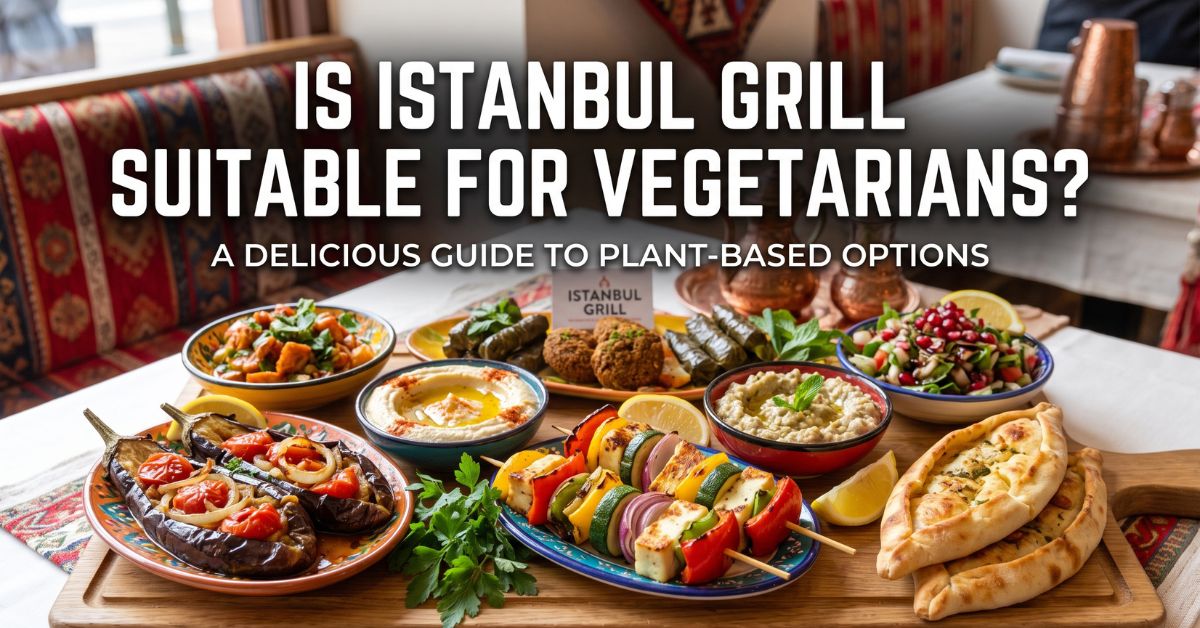
- Try a mezze spread. A mezze is a collection of small dishes that gives you a broad taste of the cuisine in one meal. At Istanbul Grill, a mezze might include hummus, baba ganoush, tabbouleh, warm pita, olives, and a sampler of our halal grilled meats. It is the perfect introduction.
- Ask questions. Good halal restaurants are proud of their certification and happy to explain their sourcing and kitchen practices. If a restaurant cannot answer your questions about their halal status, consider that a red flag.
- Read our guides. We have written comprehensive guides on what are the haram foods in Islam and the difference between halal meat and regular meat for anyone who wants to understand the full picture before trying halal food for the first time.
The Bottom Line
Halal food is no longer just for Muslim consumers. In 2026, it is a mainstream quality standard that resonates with a growing number of Americans who care about how their food is raised, processed, and prepared.
The halal food industry in the United States is steadily transitioning from a niche religious segment into a broader, mainstream consumer category. The people driving this shift are curious, values-conscious, health-aware Americans who have discovered that halal food offers something that marketing language alone cannot: verified, independently audited standards that actually mean something.
At Istanbul Grill Restaurant, we have been proud to serve halal food to customers of all backgrounds for years. Whether you are Muslim following your faith, or non-Muslim simply looking for food that is ethically sourced, carefully prepared, and genuinely delicious, our kitchen is your kitchen.
Come and taste what halal really means. Visit our menu and plan your visit to Istanbul Grill Restaurant today.