Turkish kebab is more than just grilled meat on a stick. It represents centuries of culinary wisdom, family traditions, and the warm hospitality for which Turkey is famous. When you bite into an authentic Turkish kebab, you are tasting a piece of history that has traveled through time and across continents.
At Istanbul Grill Restaurant, we bring authentic flavors to Orlando and Kissimmee, preserving traditional methods while serving the American community. This guide will take you through everything you need to know about Turkish kebabs, from their fascinating history to the different types you can enjoy today.
Where Did Turkish Kebab Come From?
The story of kebab begins over a thousand years ago with nomadic tribes who roamed the vast plains of Central Asia. These travelers needed simple ways to cook their food while moving from place to place. They would cut meat into chunks, stick them on their swords, and hold them over open fires. This practical cooking method became the foundation of what we now call kebab.
When these tribes migrated westward and settled in Anatolia (modern-day Turkey), they brought their cooking traditions with them. The word “kebab” actually comes from the Persian language and simply means “grilled meat.” As trade routes opened between the East and West, merchants traveling the famous Silk Road brought exotic spices, herbs, and new cooking techniques to the region.
During the Ottoman Empire, which ruled for over 600 years, kebab culture truly flourished. Palace kitchens developed refined cooking methods, and different regions created their own special versions. What started as a simple survival food became an art form. Chefs experimented with marinades, discovered the perfect meat-to-fat ratios, and learned exactly how long to cook each type of kebab.
The techniques passed down through generations, from master chefs to their apprentices. Families developed secret spice blends that they still guard today. This rich history makes every kebab you eat a connection to the past.
Why Kebab Matters in Turkish Culture
In Turkey, kebab is not just food on a plate. It represents community, celebration, and the act of bringing people together. When Turkish families gather for special occasions, kebab often takes center stage on the table. The preparation itself becomes a social event, with multiple generations working together to prepare the meat, mix the spices, and tend the grill.
Turkish hospitality, known as “misafirperverlik,” means treating guests like royalty. Serving kebab to visitors shows respect and generosity. The host takes pride in offering the best quality meat, perfectly seasoned and grilled with care. This tradition continues today, both in Turkey and at Turkish restaurants around the world like Istanbul Grill Restaurant in Orlando and Kissimmee.
Walk through any neighborhood in Turkey, and you will find kebab shops on almost every corner. From bustling Istanbul to small mountain villages, the smell of grilling meat fills the air. Each region takes pride in its particular style, and locals will passionately defend why their version is the best. This regional pride has helped preserve traditional recipes and cooking methods.
Kebab shops serve as community gathering spots where friends meet, business deals happen, and strangers become friends over shared meals. The open kitchens let you watch your food being prepared, and the sizzling sounds and smoky aromas create an atmosphere that draws people in.
Traditional Turkish Kebab Ingredients and Flavors
What makes Turkish kebab taste so distinctive? The answer lies in the careful selection of ingredients and the balance of flavors that Turkish cooks have perfected over centuries.
The Meat Selection
Turkish kebab makers are very particular about their meat. Lamb remains the most traditional choice, prized for its rich flavor and tender texture when cooked properly. The best lamb comes from young animals that grazed on mountain pastures, giving the meat a subtle, pleasant taste.
Beef also appears in many kebab varieties, especially in regions where lamb costs more or is harder to find. Ground beef works well in kebabs like Adana and Urfa, while chunks of beef go into skewered versions.
Chicken became popular more recently as a lighter, more affordable option. While purists might say it lacks the depth of lamb, chicken kebabs have won over millions of fans with their mild taste and ability to absorb marinades.
The fat content matters just as much as the meat itself. A good kebab needs some fat to stay juicy and flavorful during grilling. Turkish butchers know exactly which cuts to use and how much fat to include. Too little, and the kebab becomes dry. Too much, and it turns greasy.
The Spice Arsenal
Turkish cooks work with a specific set of spices that create the kebab’s characteristic taste. These are not random combinations but carefully balanced blends that enhance rather than overpower the meat.
Cumin adds an earthy, warm note that pairs beautifully with lamb and beef. Just a small amount brings depth to the overall flavor profile.
Paprika provides color and a gentle, sweet pepper taste. Turkish paprika tends to be milder than Hungarian or Spanish versions.
Red pepper flakes (pul biber in Turkish) bring heat to spicier kebabs like Adana. The level of spiciness varies by region, with southeastern Turkey favoring more intense heat.
Black pepper offers sharp, pungent notes that cut through the richness of the meat.
Sumac is a distinctly Turkish spice with a tangy, lemony flavor. Its deep red color and sour taste add brightness to heavy meat dishes.
Fresh herbs play an equally important role. Parsley, mint, and thyme appear in many recipes, either mixed into the meat or served as garnish. These herbs add freshness and help balance the richness of grilled meat.
The Marinades That Make Magic
Turkish marinades serve two purposes: they tenderize tough cuts of meat and infuse flavor deep into every bite. The most common marinade base combines yogurt, olive oil, and lemon juice.
Yogurt contains natural enzymes that break down meat fibers, making even tougher cuts tender and juicy. It also adds a subtle tangy flavor that complements the spices.
Olive oil helps carry fat-soluble flavors into the meat and keeps it moist during the high heat of grilling.
Lemon juice provides acidity that both tenderizes and brightens the overall taste.
Garlic appears in almost every marinade, either minced fine or pressed into a paste. Some cooks add onion juice for extra moisture and a sweet, savory note.
The meat usually sits in this mixture for several hours or overnight. This waiting time allows the flavors to penetrate and the acids to do their tenderizing work.
Types of Turkish Kebab You Need to Try
Turkey has developed dozens of regional kebab variations, each with its own personality and story. Here are the most famous types you should know about.
Adana Kebab: The Spicy Champion
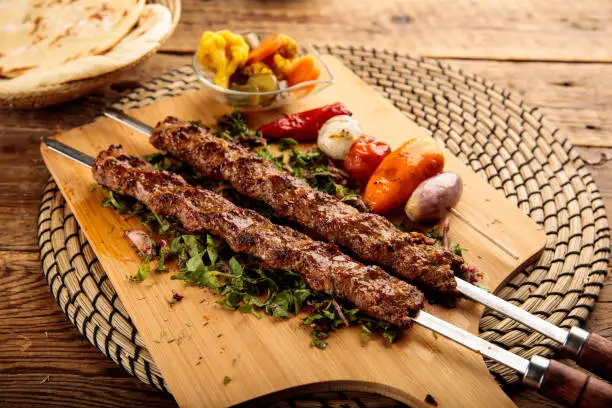
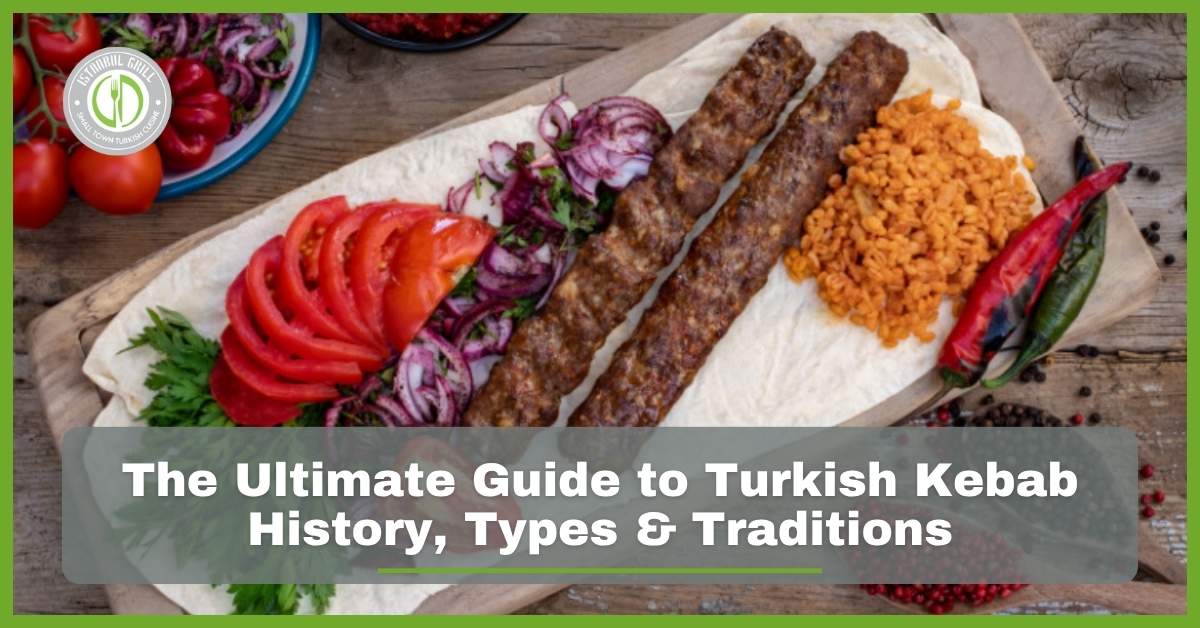
Adana kebab comes from the city of Adana in southern Turkey, where they take their kebabs very seriously. This version uses hand-minced lamb or beef mixed with tail fat for extra juiciness. The meat gets combined with red pepper flakes, creating a spicy kick that makes Adana kebab instantly recognizable.
The meat mixture must be kneaded by hand in a specific way called “zırh” until it becomes sticky and holds together perfectly. This technique takes practice to master. The kebab goes onto wide, flat metal skewers and gets shaped into long, finger-thick logs.
Over a charcoal fire, the kebab develops a crispy, slightly charred exterior while staying juicy inside. It arrives at your table still on the skewer, served over thin lavash bread that soaks up the flavorful juices. Grilled peppers and tomatoes come alongside, with a squeeze of lemon to brighten everything up.
At Istanbul Grill Restaurant in Orlando and Kissimmee, we prepare Adana kebab using the traditional hand-mincing method and cook it over real charcoal to capture that authentic taste.
Urfa Kebab: Adana’s Gentler Cousin
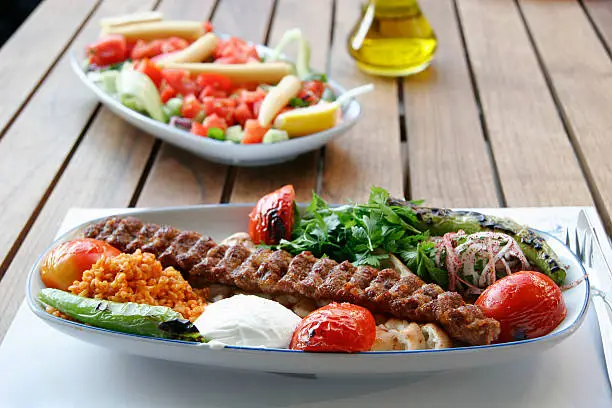
From the nearby city of Şanlıurfa comes this milder variation. Urfa kebab uses the same hand-minced technique as Adana but skips the red pepper flakes. Instead, it relies on black pepper, cumin, and fresh garlic for flavor.
The result tastes rich and savory without the heat. Many people who find Adana too spicy prefer Urfa kebab. The meat should be equally juicy and tender, with the same care taken in preparation and grilling.
Iskender Kebab: The Butter Bath
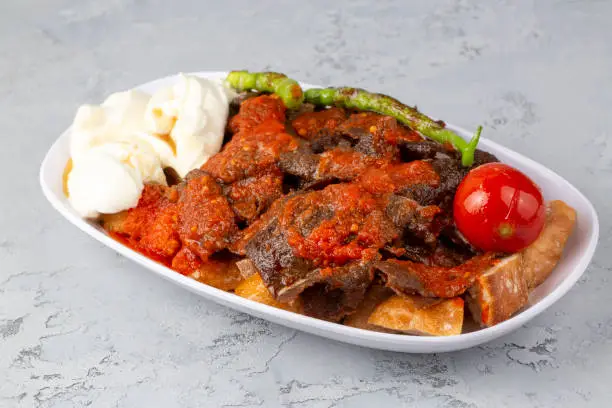
Iskender kebab tells the story of innovation in Turkish cuisine. Created in Bursa during the late 1800s by a chef named Iskender Efendi, this kebab takes thinly sliced döner meat and gives it a luxurious treatment.
The meat gets arranged over pieces of pita bread on a warm plate. Then comes a generous pour of rich tomato sauce, followed by melted butter that is often browned for a nutty flavor. A large dollop of thick yogurt sits on the side, providing a cool, tangy contrast to the hot, buttery meat.
This kebab requires eating with a fork and knife, and the combination of textures and temperatures creates a memorable experience. The bread soaks up all the delicious sauces, becoming an essential part of the dish rather than just a base.
Döner Kebab: The Global Ambassador
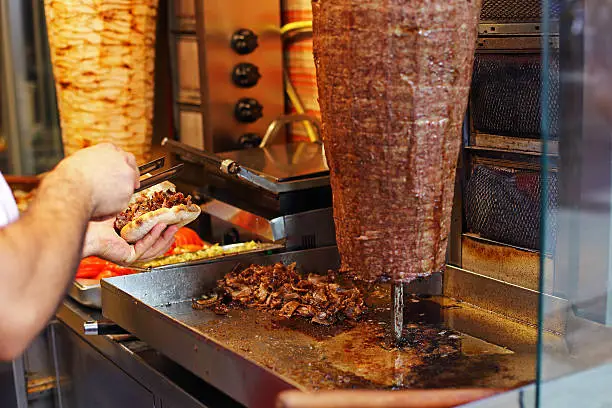
Döner kebab has become the face of Turkish food worldwide. You see it in cities across America, Europe, and beyond. The name “döner” means “turning” in Turkish, referring to how the meat cooks on a vertical rotisserie.
Thin slices of marinated meat get stacked on a tall, vertical spit. As the outside cooks and gets crispy, the chef shaves off thin pieces with a long knife. This ensures every piece has both tender interior meat and crispy, flavorful edges.
Traditionally served in a wrap with fresh vegetables, pickles, and sauce, döner has adapted to local tastes everywhere it goes. However, the Turkish original remains the gold standard, with properly seasoned meat and quality ingredients.
Shish Kebab: The Classic Skewer
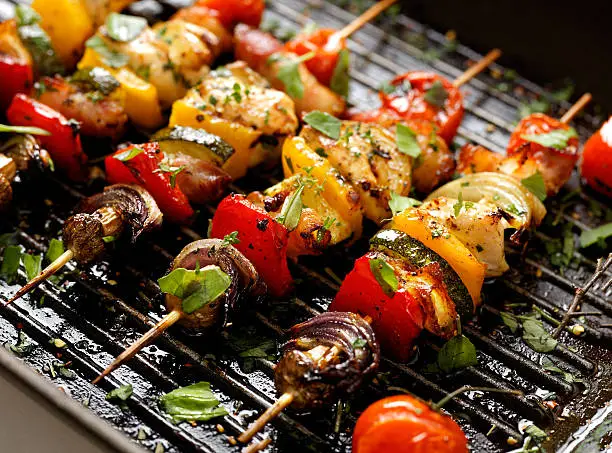
When most Americans think of kebab, they picture shish kebab: chunks of meat threaded onto skewers with vegetables. “Shish” means “sword” or “skewer” in Turkish, pointing back to those nomadic origins.
Good shish kebab starts with quality meat cut into uniform pieces. The meat marinates for hours before going onto metal skewers, often alternating with pieces of bell pepper, onion, and tomato. The vegetables add flavor and help keep the meat moist as everything cooks together.
Cooked over charcoal, the meat develops a smoky flavor and slightly charred exterior while staying tender inside. The vegetables soften and caramelize, their natural sugars concentrating into sweet, savory bites.
Testi Kebab: The Clay Pot Mystery
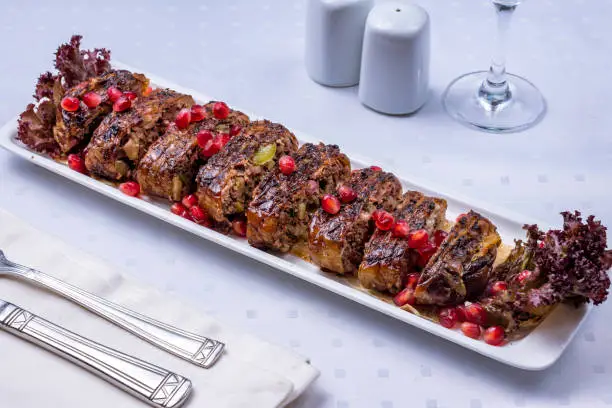
Testi kebab offers a completely different cooking method that creates an exciting dining experience. The name “testi” refers to the sealed clay pot used for cooking.
Chunks of meat, vegetables, and spices go into the pot with a small amount of liquid. The opening gets sealed with dough, trapping all the steam and flavors inside. The pot goes into a hot oven or sometimes buried in hot coals, where it cooks slowly for hours.
When ready to serve, the waiter brings the sealed pot to your table and dramatically cracks it open with a small hammer. Steam billows out, carrying the incredible aromas of the slow-cooked ingredients. The meat becomes fall-apart tender, and the vegetables dissolve into a rich sauce.
This kebab originally comes from Cappadocia, where the unique clay from the region gives the pot special properties. You need to order it in advance since the cooking takes so long, but the wait is worth it.
Cağ Kebab: The Horizontal Rotisserie
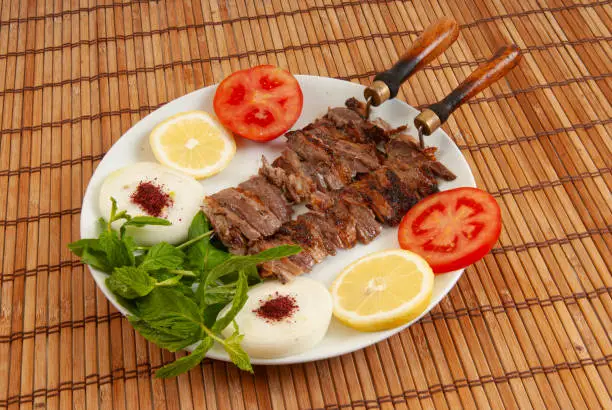
From the eastern city of Erzurum comes this unique kebab that cooks on a horizontal rotating spit rather than a vertical one. Marinated lamb gets stacked on long skewers that rotate slowly over a wood fire.
The chef cuts thin slices as the outside cooks, revealing fresh meat underneath. The wood fire gives it a distinctive smoky flavor different from charcoal-grilled kebabs. It gets served on thin flatbread with fresh basil, black pepper, and sometimes a squeeze of lemon.
Tandır Kebab: The Oven-Roasted Treasure

Tandır kebab uses a traditional clay oven called a tandır, similar to the Indian tandoor. Large pieces of lamb, sometimes half a leg, go into the oven where they cook slowly at moderate heat for many hours.
The result is meat so tender it falls off the bone with minimal effort. The slow cooking renders out excess fat while keeping the meat moist. The outside develops a beautiful golden-brown color.
This kebab usually appears at special occasions and celebrations because of the time and effort required. The meat gets served simply, often with just rice or bread, allowing its natural flavor to shine.
Beyti Kebab: The Wrapped Wonder

Beyti kebab takes ground meat kebab and gives it an elegant presentation. The seasoned, grilled meat gets wrapped in thin lavash bread, then sliced into rounds. These rounds get arranged on a plate and topped with tomato sauce and yogurt.
Created at the famous Beyti Restaurant in Istanbul, this kebab combines familiar flavors in a refined way that makes it perfect for special occasions.
Ali Nazik: The Smoky Eggplant Base

This kebab proves that Turkish cuisine knows how to create complex flavor combinations. Grilled meat sits atop a bed of smoky eggplant purée mixed with yogurt and garlic.
To make the base, whole eggplants get charred over an open flame until the skin blackens and the inside becomes soft and smoky. The flesh gets mashed and combined with thick yogurt, creating a creamy, tangy foundation.
Chunks of grilled meat (usually lamb) go on top, and the whole dish gets a drizzle of butter. The cool, smoky eggplant contrasts beautifully with the hot, savory meat.
Çöp Şiş: The Tiny Tasty Bites
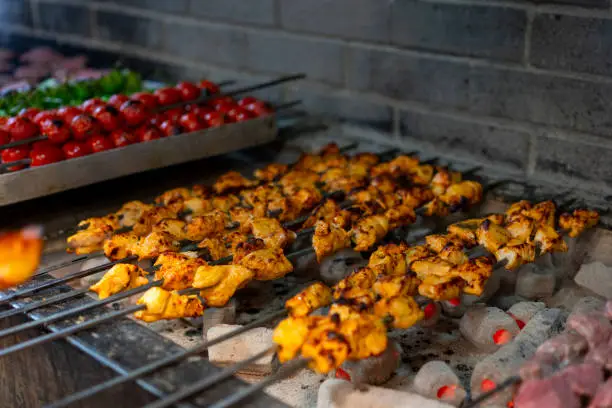
“Çöp” means “stick” or “twig,” referring to the small size of these kebabs. Tiny pieces of marinated lamb or beef get threaded onto thin skewers and grilled quickly over high heat.
Because of their small size, they cook fast and develop a high ratio of crispy, charred surface to tender interior. Often served as an appetizer or snack, these little kebabs pack concentrated flavor into every bite.
Regional Kebab Traditions Across Turkey
Turkey’s geography creates distinct culinary regions, and each area has developed kebab styles that reflect local tastes, available ingredients, and cultural influences.
Southeastern Turkey: The Kebab Heartland
The southeastern region, particularly cities like Gaziantep, Adana, and Şanlıurfa, is considered the spiritual home of Turkish kebab. The hot climate and influence of Arab and Kurdish culinary traditions create a preference for spicier, more intensely flavored kebabs.
Gaziantep earned recognition from UNESCO for its culinary heritage, with kebabs playing a central role. The city produces some of Turkey’s finest pistachios and red peppers, both of which feature prominently in local dishes.
In this region, kebab preparation follows strict traditional methods. Many kebab masters learned their craft from fathers and grandfathers, keeping techniques and recipes within families for generations. The competition between kebab restaurants is fierce, with each claiming to have the most authentic recipe.
Central Anatolia: Clay Pot Traditions
Central Turkey’s harsh winters and hot summers led to the development of slow-cooked kebabs that could be prepared in advance. The clay pot kebabs from this region make perfect sense for the climate and lifestyle.
Cappadocia’s unique volcanic landscape provides special clay for making the testi pots. Local chefs also developed tandır kebab, using underground ovens that hold heat efficiently.
Coastal Regions: Lighter and Brighter
Along Turkey’s Mediterranean and Aegean coasts, kebabs tend to be lighter and include more vegetables. The availability of fresh fish has even led to fish kebabs in these areas, though purists might argue about whether they count as true kebabs.
The coastal influence brings olive oil, fresh herbs, and lemon into kebab preparations more prominently. The hot summer climate makes lighter kebabs more appealing than the heavy, fatty versions popular inland.
Eastern Turkey: Hardy Mountain Fare
The mountainous east has cold winters and a pastoral tradition. Kebabs here tend to be heartier, with more fat for warmth and energy. Van kebab, also called Kurdish kebab, includes extra fat specifically for flavor and richness.
The use of mountain herbs and the preference for lamb from animals that grazed on high pastures give eastern kebabs their distinctive character.
The Art of Grilling Turkish Kebab
Turkish kebab masters spend years perfecting their grilling technique. This skill separates good kebabs from great ones.
Choosing the Right Fire
Traditional Turkish kebab always cooks over charcoal, never gas. The type of charcoal matters, with oak and hornbeam considered the best choices. These woods burn hot and clean, producing steady heat without excessive smoke or chemical flavors.
The coals need to reach the right temperature before cooking begins. Too hot, and the outside burns while the inside stays raw. Too cool, and the meat dries out before developing that essential char.
Experienced grillers can judge the temperature by holding their hand above the coals and counting how many seconds they can tolerate the heat. They also watch the color of the coals, looking for that perfect gray-white ash covering glowing red underneath.
Distance and Timing
The height of the grill above the coals changes how the kebab cooks. For quick-cooking items like thin köfte or çöp şiş, the grill sits closer to the coals. Thicker kebabs need more distance so the inside cooks without burning the outside.
Kebab masters develop an instinct for timing. They learn to recognize when the meat is ready by its appearance, sound, and smell. Poking or cutting to check doneness is considered amateur and lets precious juices escape.
The Resting Period
Once the kebab comes off the grill, it needs a brief rest before serving. This allows the juices that have been driven to the center by heat to redistribute throughout the meat. Cutting too soon results in dry kebab as all the moisture runs out onto the plate.
How to Enjoy Turkish Kebab Like a Local
Eating kebab in Turkey follows certain customs that enhance the experience.
The Bread Matters
Turkish kebab almost always comes with bread, but not as an afterthought. The bread serves multiple purposes: it soaks up the flavorful juices, provides a base for the meat, and can be used to pick up pieces of kebab in place of a fork.
Pide (Turkish flatbread), lavash (thin flatbread), or fresh pita all work depending on the kebab type. Many restaurants bake bread fresh throughout the day, so it arrives at your table still warm.
The Essential Accompaniments
A proper kebab meal includes several side items that balance the rich meat.
Grilled vegetables – Tomatoes, peppers, and sometimes onions get grilled alongside the meat. The charred vegetables add sweetness and acidity.
Fresh herbs – A plate of fresh parsley, mint, and sometimes arugula lets you add green, fresh notes to each bite.
Onion salad – Thinly sliced onions mixed with sumac and parsley provide sharp, acidic contrast. Eating raw onion with meat is considered essential.
Yogurt – Cool, tangy yogurt balances spicy or fatty kebabs. Some prefer it plain, while others mix in garlic or cucumber.
Pickles – Sharp, vinegary pickles cut through the richness of the meat.
Hot peppers – For those who want extra heat, grilled or fresh hot peppers come on the side.
Traditional Drinks
While many kebab restaurants in Turkey do not serve alcohol, several traditional non-alcoholic drinks pair perfectly with kebab.
Ayran is a salted yogurt drink that most Turks consider the ideal kebab companion. Its cool, slightly tangy taste refreshes your palate between bites of rich meat.
Şalgam is a spicy, fermented turnip juice popular in southern Turkey. Its salty, sour, pungent flavor takes some getting used to, but many people become addicted to it.
Fresh squeezed pomegranate juice offers fruity sweetness that contrasts beautifully with savory kebab.
Turkish tea often comes after the meal rather than with it, helping digestion and providing a moment to relax.
At Istanbul Grill Restaurant in Orlando and Kissimmee, we offer these traditional drinks so you can experience the authentic way of enjoying kebab.
Making Turkish Kebab at Home
While nothing matches eating kebab at a traditional restaurant, you can create delicious versions at home with some preparation and the right technique.
Equipment You Need
A charcoal grill works best for authentic flavor. Gas grills can work but lack that smoky character. If you only have a gas grill, consider adding wood chips in a smoker box for some smoke flavor.
Metal skewers are essential for most kebabs. Flat skewers work better than round ones because they prevent the meat from spinning when you turn them. If using wooden skewers, soak them in water for at least 30 minutes to prevent burning.
A meat grinder or food processor helps with ground kebabs, though hand-chopping creates better texture for dishes like Adana kebab.
Selecting Your Meat
Visit a butcher rather than buying pre-packaged supermarket meat. Explain what you are making, and they can recommend the right cuts and grind the meat to your specifications.
For ground kebabs, you want meat with about 20% fat content. Leaner meat makes dry kebabs, while too much fat causes flare-ups and greasy results.
For skewered kebabs, look for tender cuts like lamb leg or beef sirloin. The pieces should be uniform in size so they cook evenly.
The Marinade Process
Mix your marinade ingredients thoroughly, then add the meat. Use your hands to massage the marinade into every piece. This physical contact helps the flavors penetrate better than just tossing everything together.
Cover the bowl and refrigerate for at least 4 hours, though overnight works even better. Take the meat out of the refrigerator 30 minutes before grilling so it comes to room temperature. Cold meat hitting a hot grill cooks unevenly.
Grilling Tips
Build your charcoal fire and let it burn until the flames die down and the coals glow red with a light coating of ash. This usually takes 20-30 minutes.
Oil your grill grates to prevent sticking. Use tongs or a paper towel dipped in oil.
Place your kebabs on the grill and resist the urge to move them. Let them cook undisturbed for several minutes until they develop a good crust and release easily from the grill. Then turn them once or twice until cooked through.
For ground kebabs shaped on skewers, be extra gentle when turning. The meat needs to develop a crust that holds it together. Turning too soon can cause it to fall apart.
Common Mistakes to Avoid
Over-handling the meat – Mix marinades and shape kebabs gently. Overworking the meat makes it tough.
Cooking straight from the fridge – Cold meat + hot grill = uneven cooking.
Using too much marinade – Excess liquid dripping onto hot coals causes flare-ups that char the outside before the inside cooks.
Flipping too often – Let each side develop a proper crust before turning.
Not letting meat rest – Give kebabs 5 minutes after grilling before serving.
Modern Kebab Culture in America
Turkish kebab has found a home in America, adapting to local tastes while trying to maintain authenticity. Cities with large Turkish communities like New York, Los Angeles, and Chicago have excellent Turkish restaurants.
At Istanbul Grill Restaurant, we bring authentic Turkish kebab to Orlando and Kissimmee. We import spices from Turkey, train our chefs in traditional methods, and cook over real charcoal to capture that distinctive flavor.
American diners have embraced kebabs for their flavor, the visual appeal of food cooked before your eyes, and the growing interest in Mediterranean and Middle Eastern cuisines. Health-conscious eaters appreciate that grilled meat with vegetables offers protein without heavy sauces or frying.
The challenge for Turkish restaurants in America comes from balancing authenticity with accessibility. Some dishes that are hugely popular in Turkey might be too unfamiliar for American palates. Explaining what makes each kebab special and offering samples helps introduce people to varieties beyond basic shish kebab.
Health Considerations
Turkish kebab can be part of a healthy diet when prepared properly and eaten in moderation.
Grilling meat over an open flame allows fat to drip away rather than being absorbed back into the food like with pan-frying. This makes kebab a leaner cooking method.
The emphasis on lean cuts of lamb and beef, chicken breast, and fish in various kebab types provides high-quality protein without excessive fat.
The traditional accompaniments of fresh vegetables, herbs, and yogurt add nutrients, fiber, and beneficial probiotics to the meal.
However, kebab meals can become less healthy depending on portion sizes and what you eat with them. Loading up on bread, fatty sauces, and fried appetizers adds calories quickly.
The charring that gives kebab its delicious flavor does create some compounds that should be limited in your diet. Varying your protein sources and not eating charred meat every day makes sense.
For those watching sodium, be aware that marinades and seasonings can be salty. If cooking at home, you can control the salt level.
Why Kebab Continues to Captivate
Turkish kebab has survived and thrived for over a millennium because it delivers on multiple levels. The food tastes delicious, yes, but it also provides connection to tradition, creates opportunities for gathering, and offers endless variations that prevent boredom.
The simplicity of the concept – seasoned meat cooked over fire – allows for infinite creativity within that framework. Every region, every chef, and every home cook can put their own stamp on it while still creating something recognizably kebab.
In our fast-paced modern world, kebab represents a connection to slower, more deliberate food preparation. Watching your meal being grilled creates anticipation. The communal aspects of sharing kebab platters brings people together.
At Istanbul Grill Restaurant in Orlando and Kissimmee, we see how kebab brings together people from all backgrounds. Turkish immigrants find a taste of home. Americans discover a cuisine they love. Families make it their regular gathering spot.
Your Kebab Journey Starts Here
Now that you understand the history, varieties, and traditions surrounding Turkish kebab, you are ready to explore this delicious world more deeply. Whether you visit Istanbul Grill Restaurant to taste authentic preparations or try making kebab at home, you will appreciate the craft and care that goes into every bite.
Start with the classics like Adana or shish kebab, then branch out to more adventurous choices like testi kebab or ali nazik. Pay attention to how the marinades, cooking methods, and accompaniments change the experience.
Most importantly, enjoy kebab the Turkish way – slowly, with good company, and with appreciation for the centuries of tradition that brought this food to your table. Every kebab tells a story, and now you are part of that ongoing narrative.
Come visit us at Istanbul Grill Restaurant in Orlando or Kissimmee to experience these authentic flavors prepared the traditional way. We look forward to sharing our passion for Turkish kebab with you and your family.